
Last updated October 31, 2026
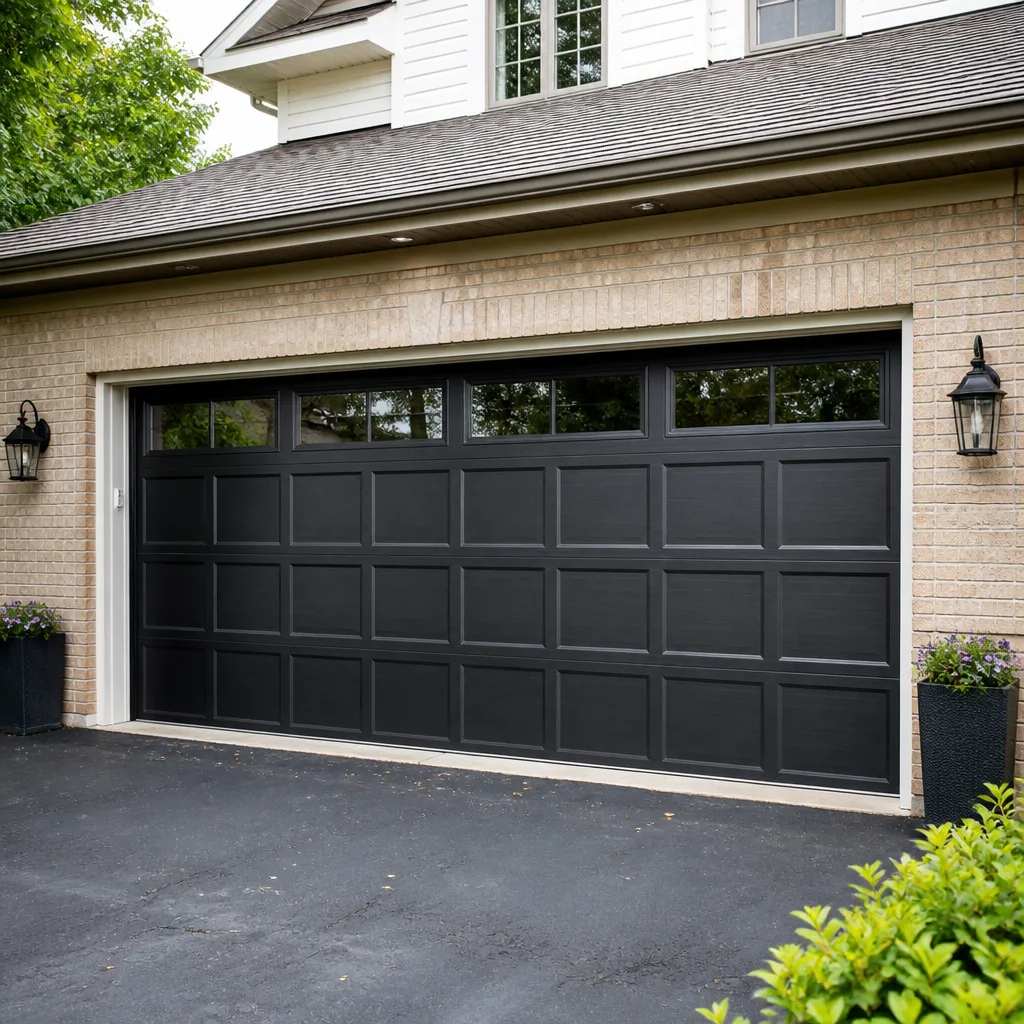 Raised-panel steel
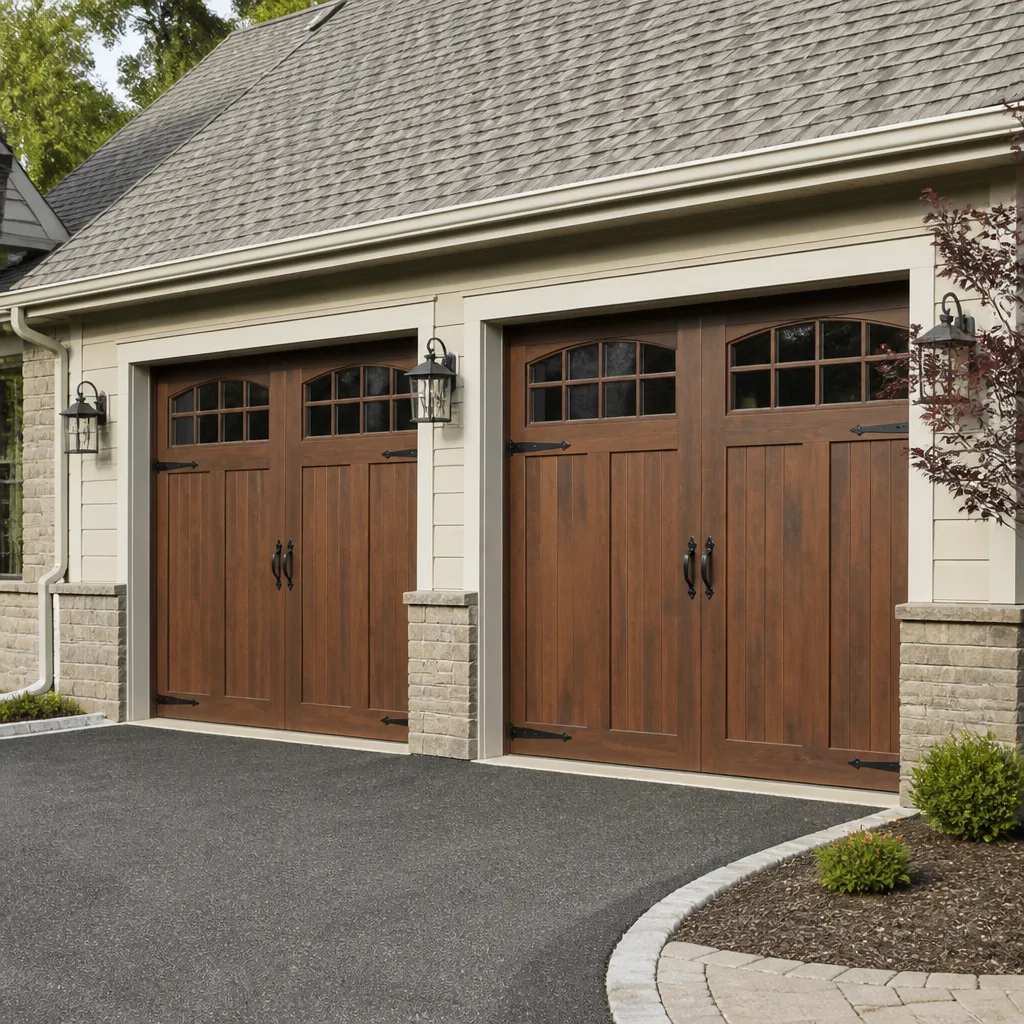 Carriage house
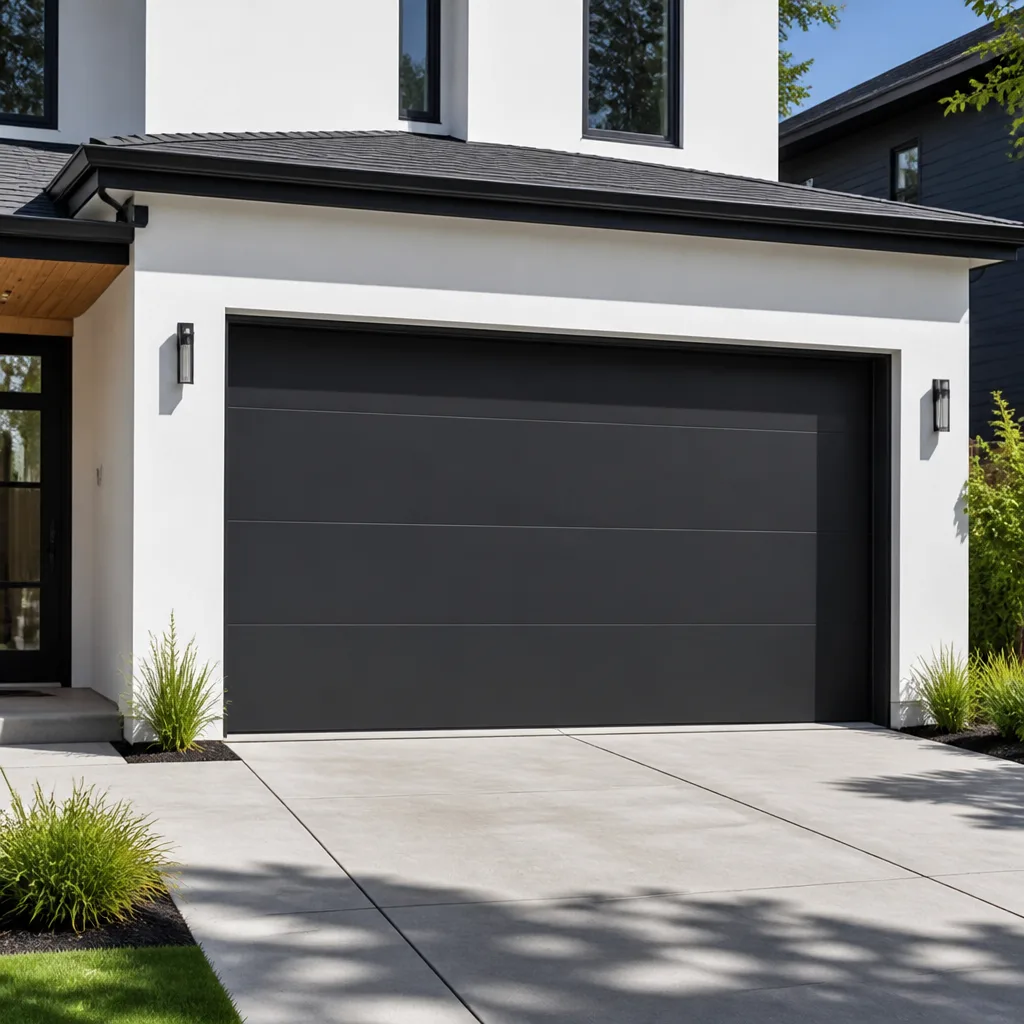 Modern flush
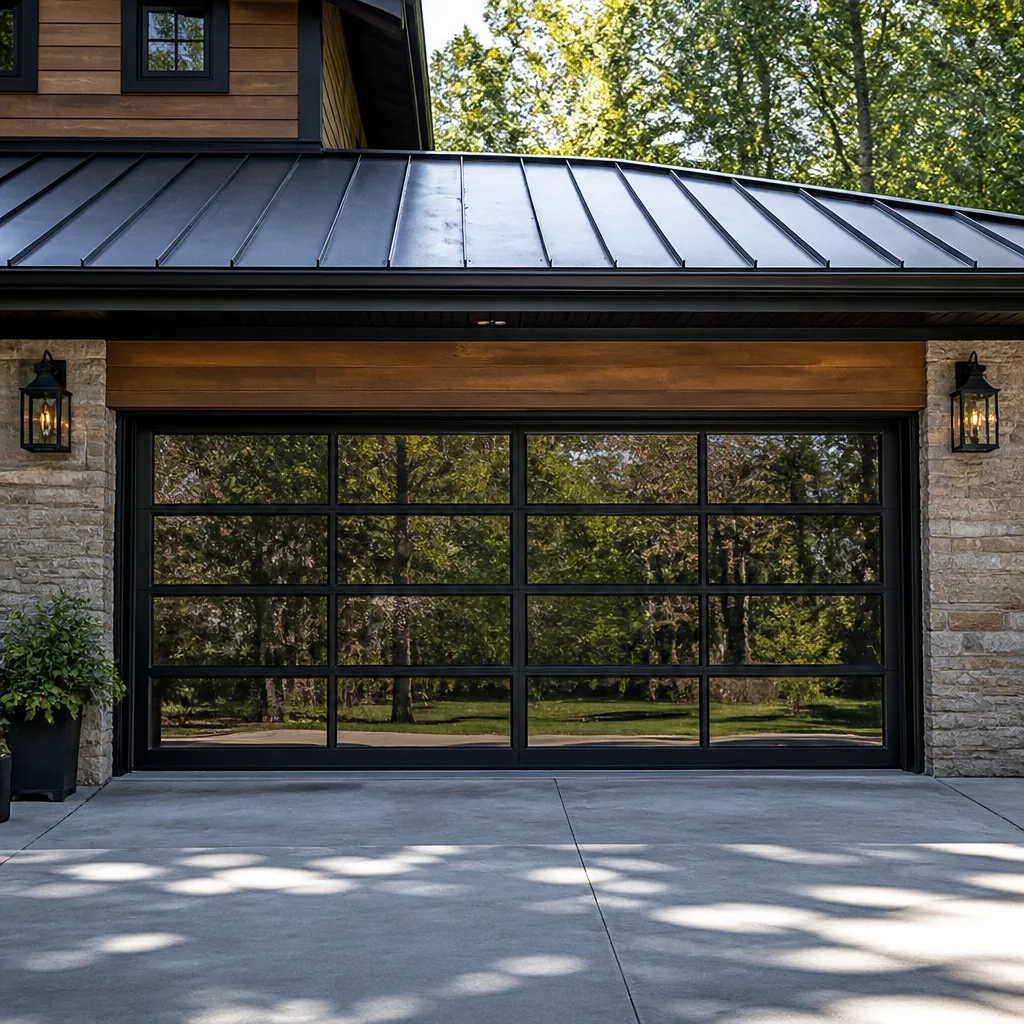 Full-view glass
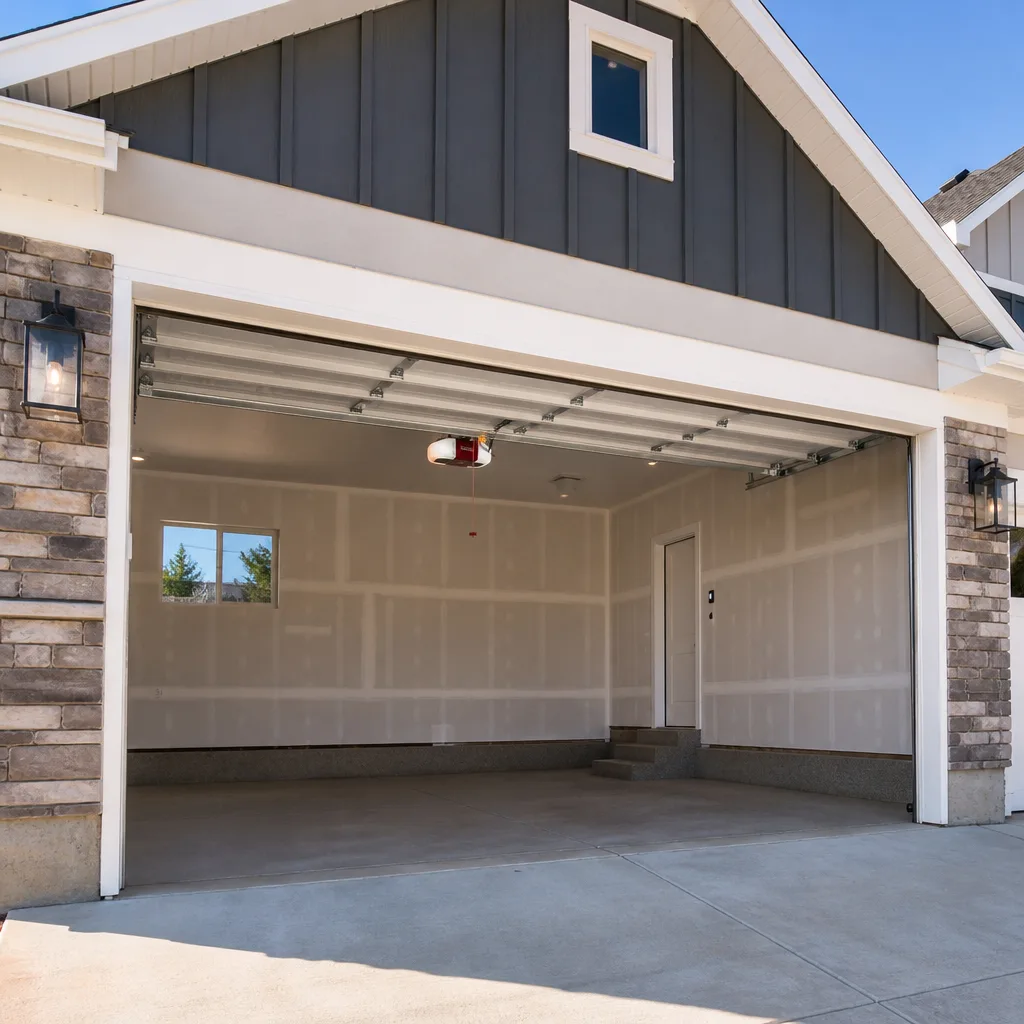 LiftMaster openers
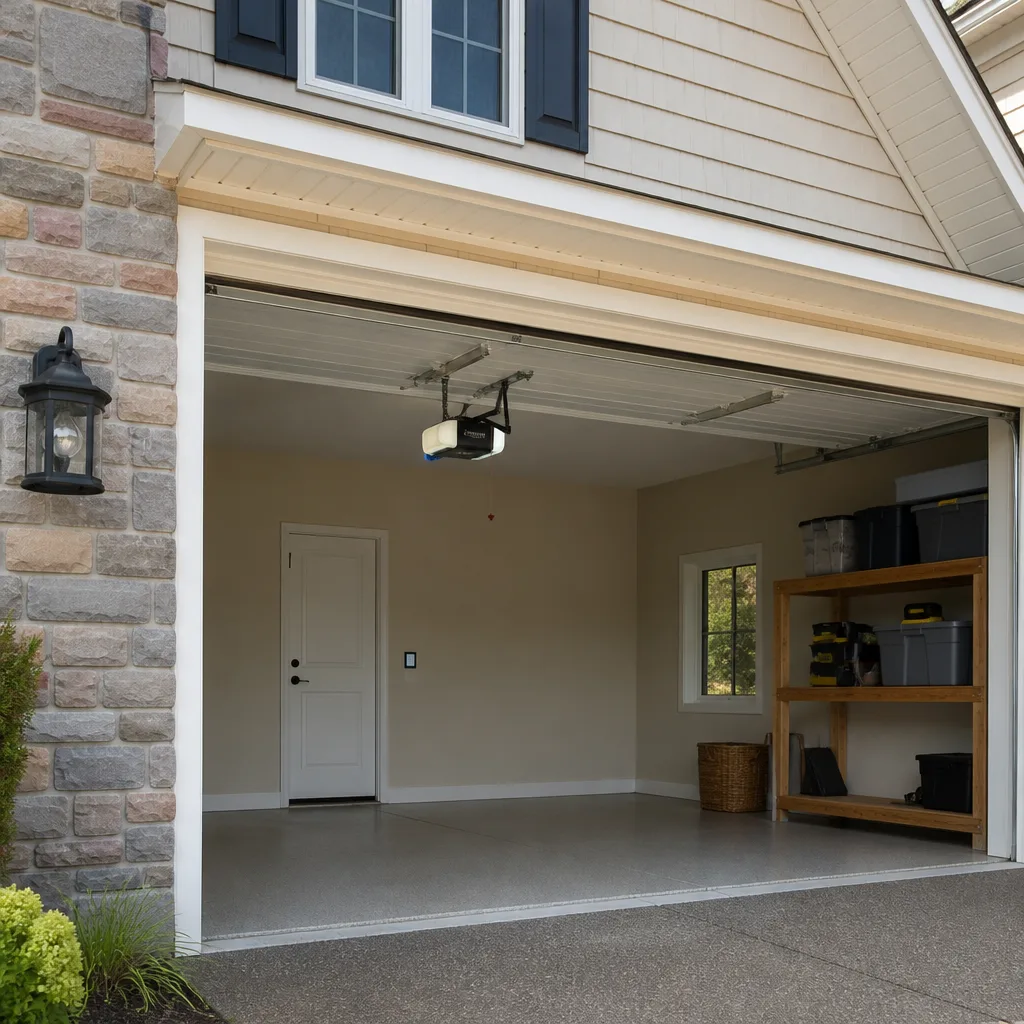 Chamberlain openers
Full 25-point door and opener safety check with every visit - springs, cables, rollers, tracks, and your LiftMaster or Chamberlain opener included
You get a price before we start. It does not change when the truck arrives.
Get your free estimateHow to Hire a Garage Door Contractor in Escondido: A Step-by-Step Guide
A licensed general contractor in California can legally repair your garage door without ever having touched one before. The CSLB license covers the whole structure, not the specialization, which means the paper on the wall tells you nothing about whether the person holding the drill has ever tensioned a torsion spring. In Escondido, where summer heat bakes door panels and the Santa Ana winds test every seal and hinge, that distinction matters more than most homeowners realize. This guide gives you the exact process we’d tell a neighbor to follow: what to verify, what to ask, what to watch for during the job, and what to inspect before you write the check.
Styles & brands we work with
Quick Answer
To hire a garage door contractor in Escondido, verify their CSLB license on the state website, confirm they carry liability insurance and workers’ comp, ask four diagnostic questions before they touch the door, and get a written itemized estimate with the final price locked before work begins. The contractor who can explain what’s wrong in brand-specific terms, show you the failed part, and quote a fixed number before starting is the one you keep.
Table of Contents
- Step 1: Verify the CSLB License (Under Two Minutes)
- Step 2: Check Insurance and Workers’ Comp
- Step 3: Ask These Four Diagnostic Questions
- Step 4: Read the Estimate Like a Forensic Accountant
- Step 5: Watch the Repair or Installation
- Step 6: Post-Job Verification Before You Pay
- Common Mistakes to Avoid
- When to Call a Professional
- Frequently Asked Questions
- The Bottom Line
Step 1: Verify the CSLB License (Under Two Minutes)
California requires any contractor performing work over $500 in labor and materials to hold a license issued by the Contractors State License Board. The relevant classification for garage door work is typically C-61/D-28 (Door and Gate), though some general building contractors (B) also take on door projects. The distinction matters: a C-61/D-28 holder has demonstrated specific knowledge and experience in doors, gates, and their mechanical systems. A B license means the contractor has passed broad construction exams that barely touch on torsion systems.
Here’s the two-minute verification process:
- Go to the CSLB website (cslb.ca.gov) and find the “Check a License” tool.
- Enter the contractor’s name or license number.
- Confirm the license status shows Active, not suspended or expired.
- Check the classification. Look for C-61/D-28 specifically. If the contractor shows only a B license, ask how many garage door jobs they’ve completed in Escondido in the past year.
- Look at the license issue date. A license issued three months ago is not disqualifying, but combined with a lowball quote, it should raise questions.
- Check for any enforcement actions or complaints listed on the license record.
In Escondido, we’ve watched unlicensed operators work the neighborhoods around Kit Carson Park and the Country Club area after storms, when homeowners are panicked and the licensed shops are booked out. The pattern is always the same: cash-only pricing, no written contract, no recourse when the repair fails in six weeks. Two minutes on the CSLB site prevents that entire scenario.
Step 2: Check Insurance and Workers’ Comp
Garage door work involves heavy components under extreme tension. A torsion spring can store enough energy to throw a steel bracket through drywall if mishandled. If a worker gets hurt on your property and the contractor lacks workers’ compensation insurance, that injury can become your liability through your homeowner’s policy.
Before anyone starts work, request:
- Certificate of insurance showing general liability coverage, typically at least $1 million per occurrence.
- Workers’ compensation certificate if the company has any employees (not just the owner).
- Confirmation that the policy is active and current. A certificate dated eight months ago with an expired policy number protects no one.
A legitimate contractor will send you these documents within the hour. A contractor who stalls, says “trust me,” or claims insurance isn’t needed for a small job is signaling something. In our experience around Escondido’s residential streets, from the older homes near downtown to the newer developments off Citracado Parkway, the contractors who dodge insurance questions are the same ones who leave springs unwound and doors half-balanced.
Step 3: Ask These Four Diagnostic Questions
This is the step no guide talks about, and it’s the one that separates a specialist from someone with a van and a phone number. Before you let anyone touch the door, ask these four questions. The answers reveal whether the contractor understands the system or is guessing.
Question 1: “What’s your diagnosis, and how did you arrive at it?”
A specialist’s answer references specific components and failure patterns: “Your torsion spring snapped because the cycle life expired. It’s a .225 wire spring rated for roughly 10,000 cycles, and based on the rust on the coils, it’s been out there 12 years.” A red flag answer is vague: “Yeah, the spring’s bad, we see these all the time.” The first answer shows measurement. The second shows memorization.
Question 2: “Which brands do you work on most?”
This question cuts deeper than people realize. A tech trained only on one brand, say Chamberlain openers, will always diagnose through that lens and will always recommend replacing components with that brand’s parts. At Ironside Garage Door Repair home, our technicians work across LiftMaster, Chamberlain, Genie, Clopay, Amarr, Wayne Dalton, Craftsman, and Raynor. That breadth matters because a Craftsman opener failure and a Raynor opener failure look different, sound different, and require different parts. When a contractor answers with one brand, you’re getting a one-brand diagnosis.
Question 3: “Can you show me the failed part and explain what caused it?”
After the repair, the failed component should be in your hand (or offered for inspection). A confident contractor walks you through the damage: “See the wear pattern on this pulley? The bearing seized, which is why the cable frayed.” A contractor who disposes of parts before you see them is hiding something, either incompetence or an unnecessary replacement. In Escondido’s inland heat, we replace a lot of sun-degraded rollers and weather seals. The evidence is always visible if someone bothers to show you.
Question 4: “What would you recommend if this were your door, and what’s the cheaper fix you’re not recommending?”
This question exposes sales pressure. An honest contractor has no trouble laying out the repair-versus-replace decision with actual numbers: “You could patch the bottom panel for $250, but the panel’s separating and the same corner will fail next season. Full replacement runs $1,800, and you’ll get 15 more years.” A pressured answer skips the cheaper option entirely or dismisses it without explaining why. If they can’t articulate the tradeoff, they’re selling, not advising.
Step 4: Read the Estimate Like a Forensic Accountant
A written estimate tells you more about the contractor than any review ever will. Here’s how to read one in Escondido, where garage door pricing typically runs from $150 for a minor cable adjustment to $2,500 and up for a full replacement with a premium door.
Line items that should always appear:
- Parts separated from labor. You should see specific components listed: torsion spring (x2, .218 wire), bottom seal (16 ft), rollers (10 nylon ball-bearing). If the estimate says “repair door” with one number, ask for the breakdown.
- Specific brand names for replacement parts. “Factory-authorized Chamberlain logic board” is a real line item. “Control board, universal” means aftermarket or generic parts. Both can be fine, but you deserve to know which you’re paying for.
- Labor hours or flat-rate labor. Either is acceptable, but it should be explicit.
- The exact total, including tax and any trip fee. The number you sign is the number you pay. Any contractor who says “we’ll see when we get in there” is setting up a surprise invoice.
Language that signals padding risk:
- “Miscellaneous hardware” without specifics
- “Full tune-up” that lists no individual adjustments
- “As-needed repairs” with an open-ended cap
- “Premium-grade” materials with no brand or spec attached
At Ironside, our Garage Door Repair in Escondido estimates are fixed and itemized. The price you approve before we start is the price on the invoice. No discovery surcharges, no “while we’re in there” additions.
Step 5: Watch the Repair or Installation
You don’t need to hover, and no good contractor wants you shoulder-to-shoulder at the workbench. But you should observe enough to confirm the contractor does what they said they’d do. Here’s what a competent repair or installation should include, whether you’re watching us on an installation in Escondido or another contractor:
- Safety first. The technician should clamp the door or secure the spring system before loosening any hardware. A tech who starts unbolting a tensioned spring without securing the door first is a tech about to get hurt or damage your property.
- Component examination, not just replacement. A good tech checks the whole system while they work: hinges, rollers, cables, track alignment, opener force settings. You’ll hear questions or observations: “Your track’s out of level by about a quarter inch, which is why the door’s been catching.”
- Proper torque on anything that moves. If the tech uses a power driver on hinge bolts without checking torque, that’s cosmetically fine but structurally lazy. Bolts that walk loose in six months were never properly set.
- Balance testing. After any spring work, the door should be disconnected from the opener and manually raised to about waist height. It should stay put. If it drops, the spring isn’t wound correctly, and the opener will burn out early.
- Opener force and limit calibration. For opener work, the tech should test reversal force and travel limits. This is the difference between Garage Door Opener Repair in Escondido done right and an opener that reverses randomly or slams at the floor.
Step 6: Post-Job Verification Before You Pay
Before you sign the completion form and hand over the check, run these five functional tests. If the contractor pushes back on any of them, that’s your answer.
- Manual balance test. Pull the red release handle and operate the door by hand. It should move smoothly with roughly equal effort through the full travel, and it should stay at mid-height without drifting more than a few inches.
- Safety reversal test. Place a scrap 2×4 flat on the floor under the door path and close the door. The door should reverse within two seconds of contacting the wood. This is a federally mandated safety feature, and a new door that fails this test was installed incorrectly.
- Photo-eye test. With the door open, wave your foot across the beam path and press close. The door should reverse immediately or refuse to move. If the photo eyes are misaligned, shaded, or wired wrong, this test catches it.
- Noise check. A properly balanced and lubricated door is remarkably quiet. Grinding, popping, or squealing sounds indicate a dry hinge, an overtightened part, or a roller on its way out.
- Seal check. With the door closed, look for daylight around the edges. Escondido’s dry heat and dust will find any gap, and so will black widows looking for a cool place to build.
If everything passes, pay the invoice. If something fails, don’t accept it. A contractor who won’t stand behind the work while standing in your driveway won’t stand behind it next week either.
Common Mistakes to Avoid
- Hiring on price alone. The cheapest quote in Escondido is often the most expensive by the time the second contractor fixes the first one’s work. Labor is the biggest cost variable, and you get what you pay for.
- Skipping the license check because the work “looks simple.” A cable replacement looks simple. The torsion spring next to the cable carries hundreds of pounds of torque. A mistake there sends someone to urgent care.
- Accepting a verbal quote. In California, contracts over $500 should be in writing. A contractor who won’t write it down is protecting himself, not you.
- Paying the full amount upfront. Standard practice is a deposit (often 50%) for special-order doors, with the balance due upon completion. Full payment before any work means you’ve lost every shred of leverage.
- Letting the contractor buy “whatever fits.” Generic rollers and universal brackets wear faster and void manufacturer warranties. For brand-specific systems like a LiftMaster opener or Chamberlain belt drive, insist on compatible components.
- Not asking about haul-away. A full Garage Door Installation in Escondido leaves you with a 150-pound steel door panel. Clarify whether removal and disposal are included before you sign.
- Ignoring the opener when replacing the door. A new door on an old, undersized opener shortens the opener’s life and can void the door’s warranty. Ask whether your current opener has the horsepower for the new door’s weight.
When to Call a Professional
Some problems announce themselves with noise: the snap of a torsion spring, the grinding of a stripped gear, the screech of a dry roller. Others are quieter and easier to ignore until the door won’t open on a Tuesday morning when you’re already late. Call a professional when the door shudders or hesitates, when the cables show fraying, when the opener runs but the door doesn’t move, or when any work involves a spring under tension. Torsion springs are not a homeowner repair, and neither is opener recalibration on a door that won’t reverse properly. Ironside Garage Door Repair offers free estimates in Escondido – call (855) 341-7752 and we’ll give you a straight diagnosis and a fixed written quote before any work begins.
Frequently Asked Questions
Most garage door repairs in Escondido run between $150 and $600, with spring replacement typically falling between $250 and $450 including parts and labor. A full door replacement ranges from $1,200 to $2,800 depending on size, material, and insulation. The exact number depends on your door’s brand, cycle rating, and whether the opener needs recalibration. Call (855) 341-7752 for a written quote on your specific setup – estimates are free and the price is locked before work starts.
Ask for their CSLB license number and verify it online, request proof of liability insurance and workers’ comp, and ask four diagnostic questions about their diagnosis, brand experience, willingness to show you the failed part, and whether they’ll explain the cheaper repair option they’re not recommending. A contractor who answers all of these clearly is one you can trust with the job.
Most garage door specialists hold a C-61/D-28 (Door and Gate) contractor license, which requires proving specific experience in door and gate systems. Some general building contractors (B classification) also perform garage door work, but that license covers broad construction knowledge rather than garage door specialization. Check the license classification on the CSLB website before you hire.
Most residential garage door replacements in Escondido do not require a building permit when the opening size does not change and the work involves a like-for-like swap. Structural modifications to the opening or changes to the framing will require a permit through the City of Escondido Building Division. Your contractor should know the threshold and tell you before the work starts.
A dedicated garage door company uses technicians who work on nothing but doors, openers, and the systems that connect them. A general contractor handles doors the way a general practitioner handles knee surgery: competently for basic cases, but without the depth that comes from years of seeing specific failures. In Escondido’s inland climate, where heat and dust degrade components differently than coastal air, that depth is the difference between a door that lasts 15 years and one that fails in three.
Loud garage doors are usually caused by worn metal rollers, dry hinge bearings, loose hardware, or an opener chain that has lost proper tension. A contractor can diagnose the specific noise source, replace worn components with nylon-bearing rollers and properly lubricated hinges, and tune the opener to reduce vibration. This is a standard part of a full garage door opener repair in Escondido service.
The Bottom Line
Hiring a garage door contractor in Escondido comes down to verification, not vibes. Check the CSLB license. Confirm insurance and workers’ comp. Ask the four diagnostic questions and listen for specific answers, not sales scripts. Read the written estimate line by line and walk away from vague language. Watch the work, run the post-job tests, and only pay when everything passes. A garage door is a heavy, balanced system under constant tension – and in Escondido’s heat, dust, and wind, the difference between a specialist and a generalist shows up in years of service, not months. Built to hold is more than our name. It’s the standard the person working on your door should meet.
Written by the team at Ironside Garage Door Repair, serving Escondido since 2016.
See the difference
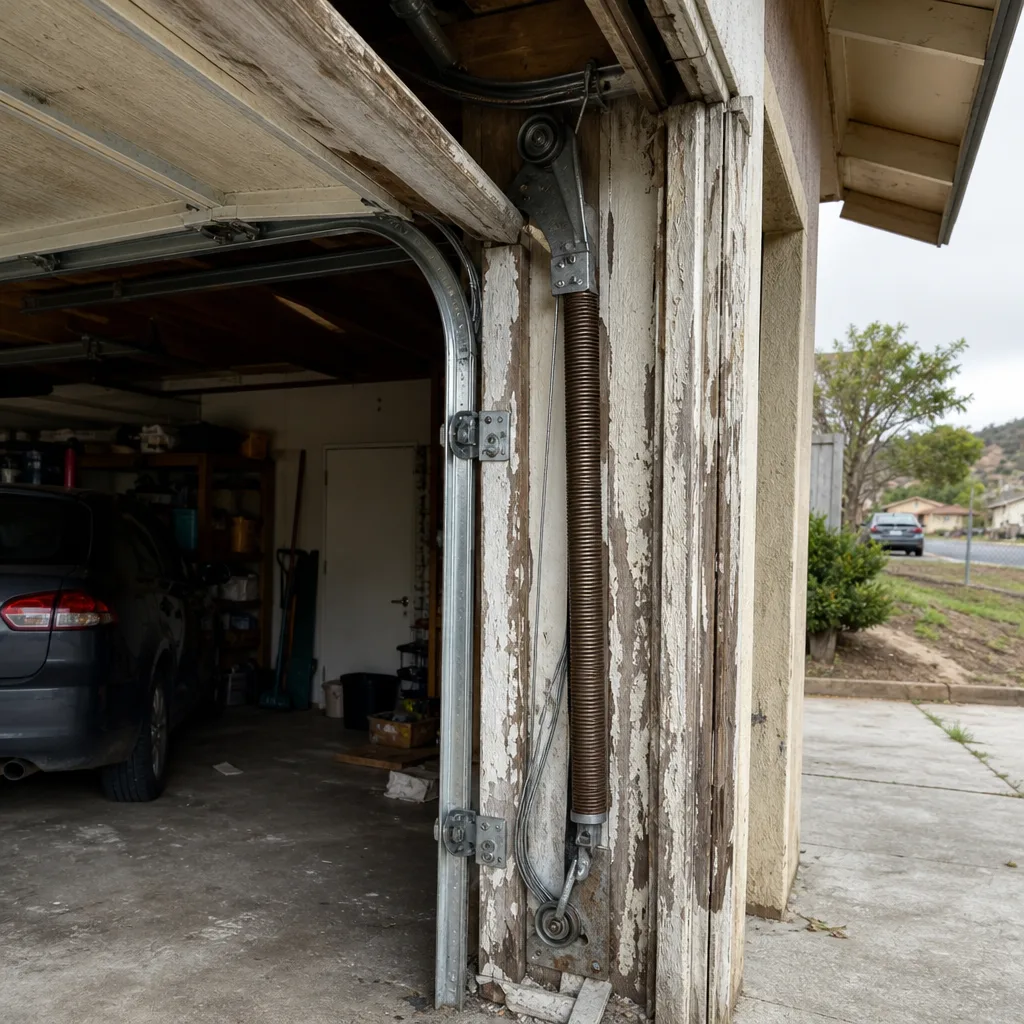 Before
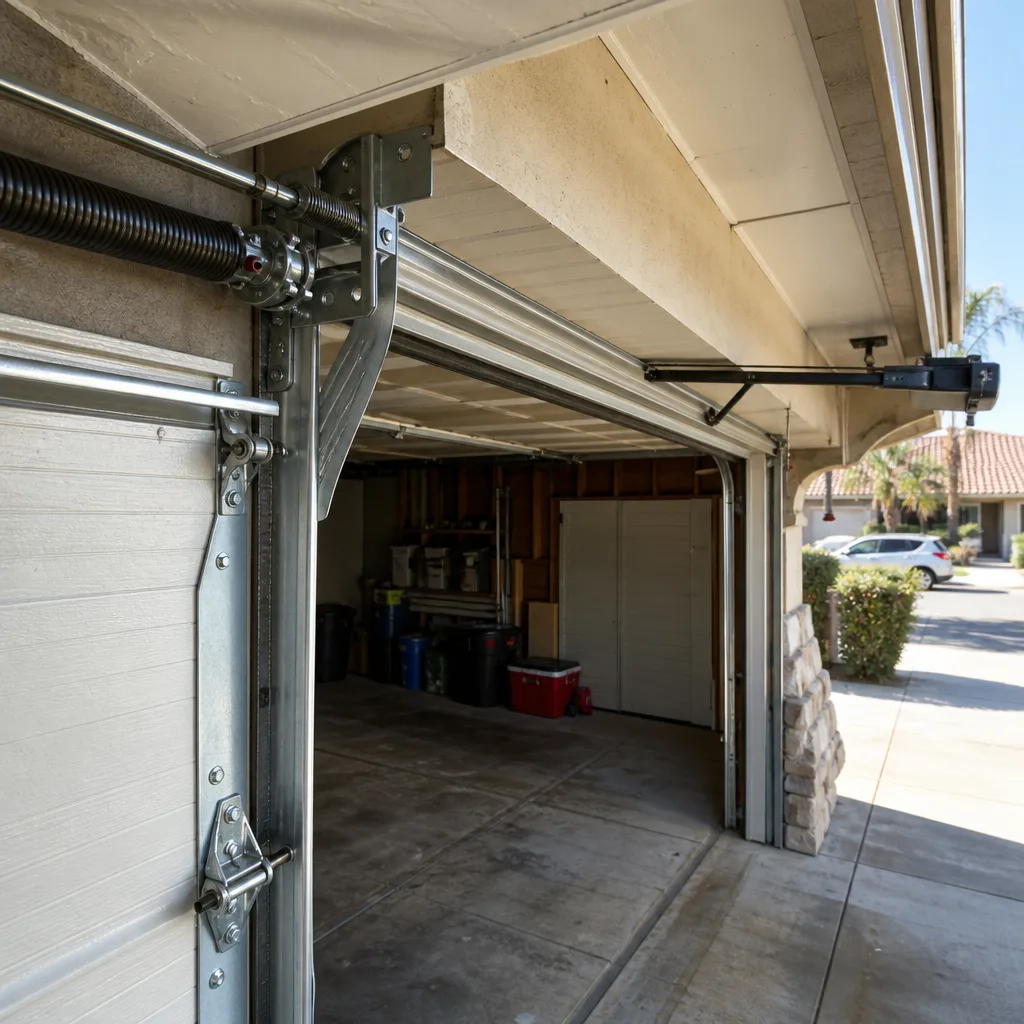 After
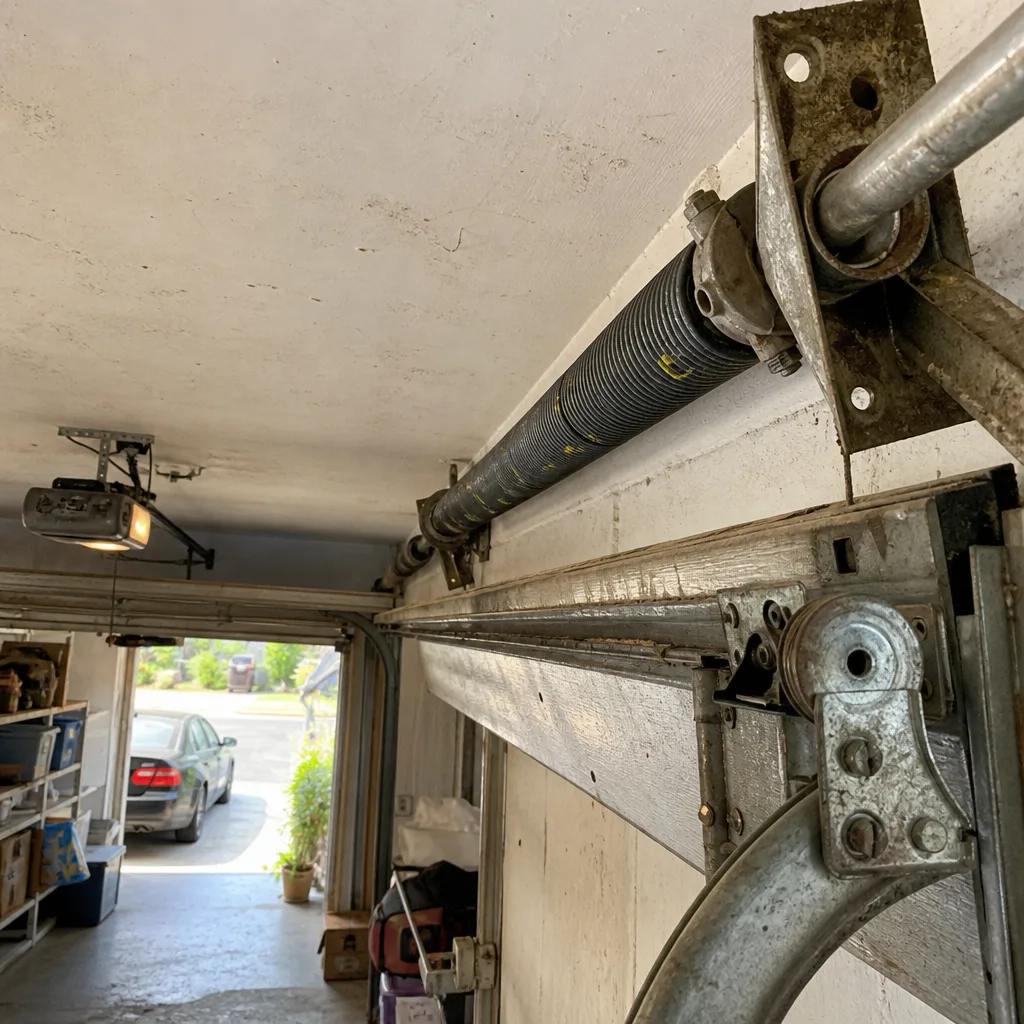 Before
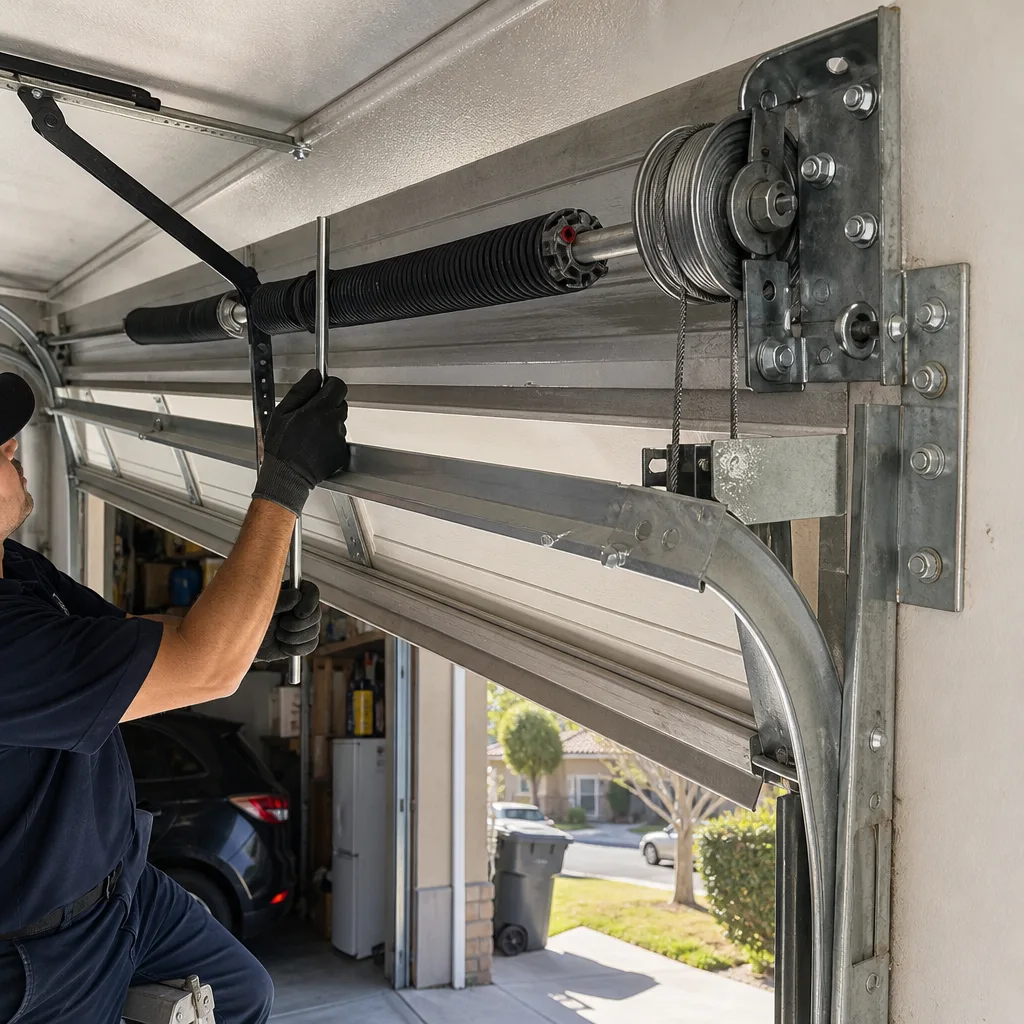 After
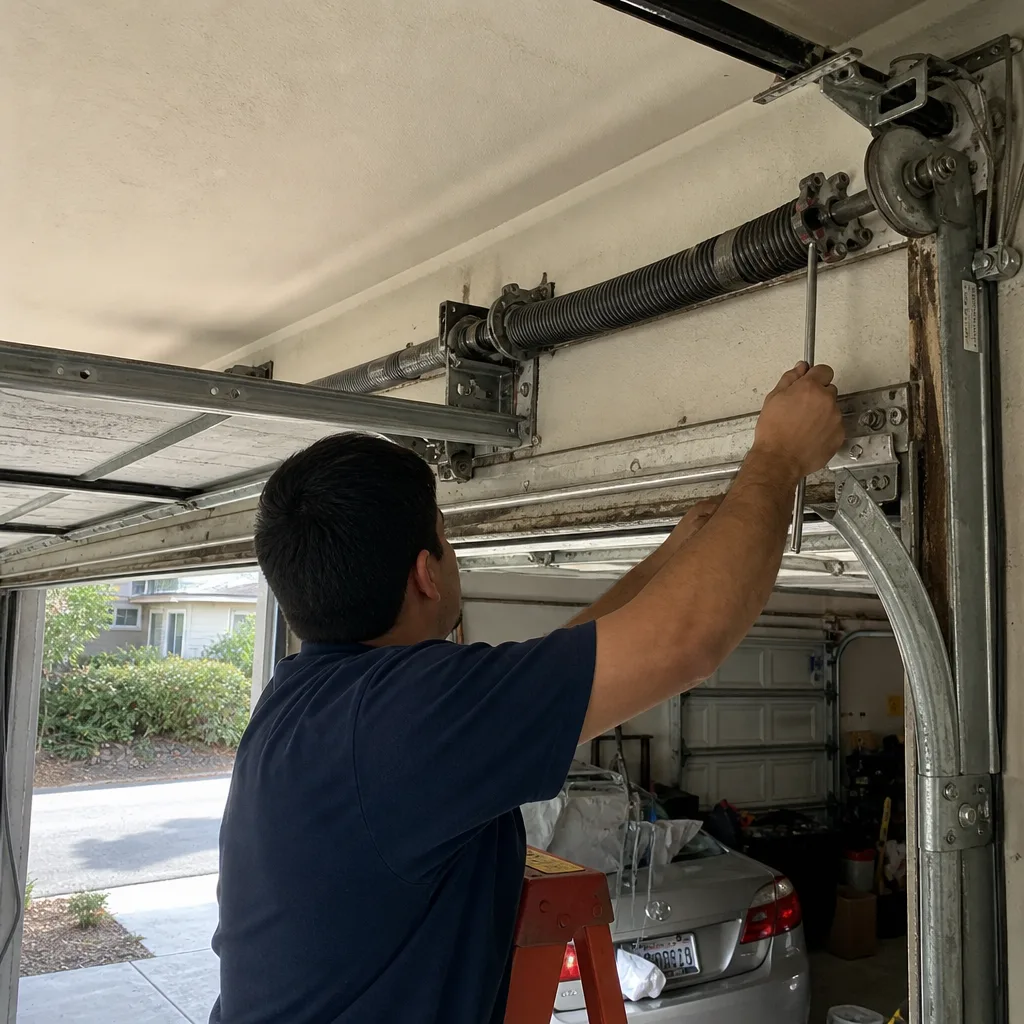 Before
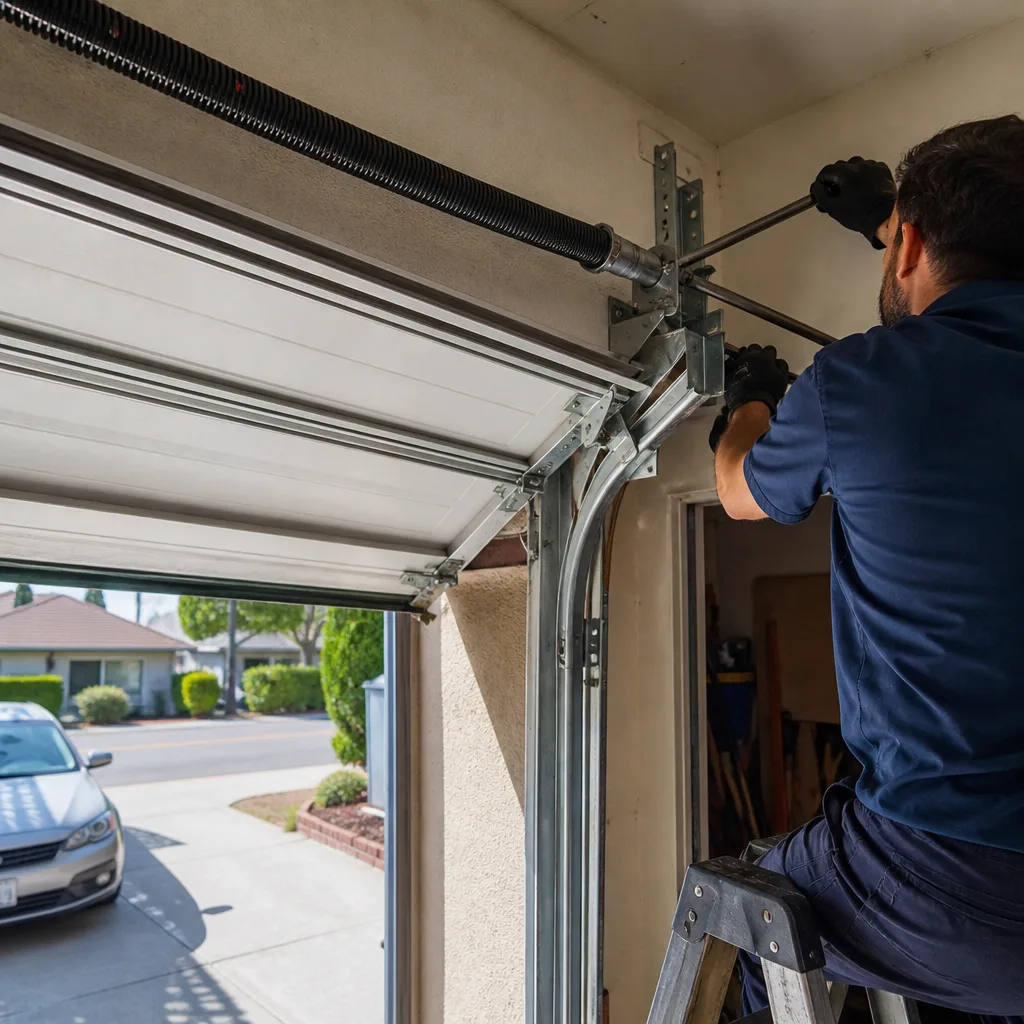 After