
Last updated October 31, 2026
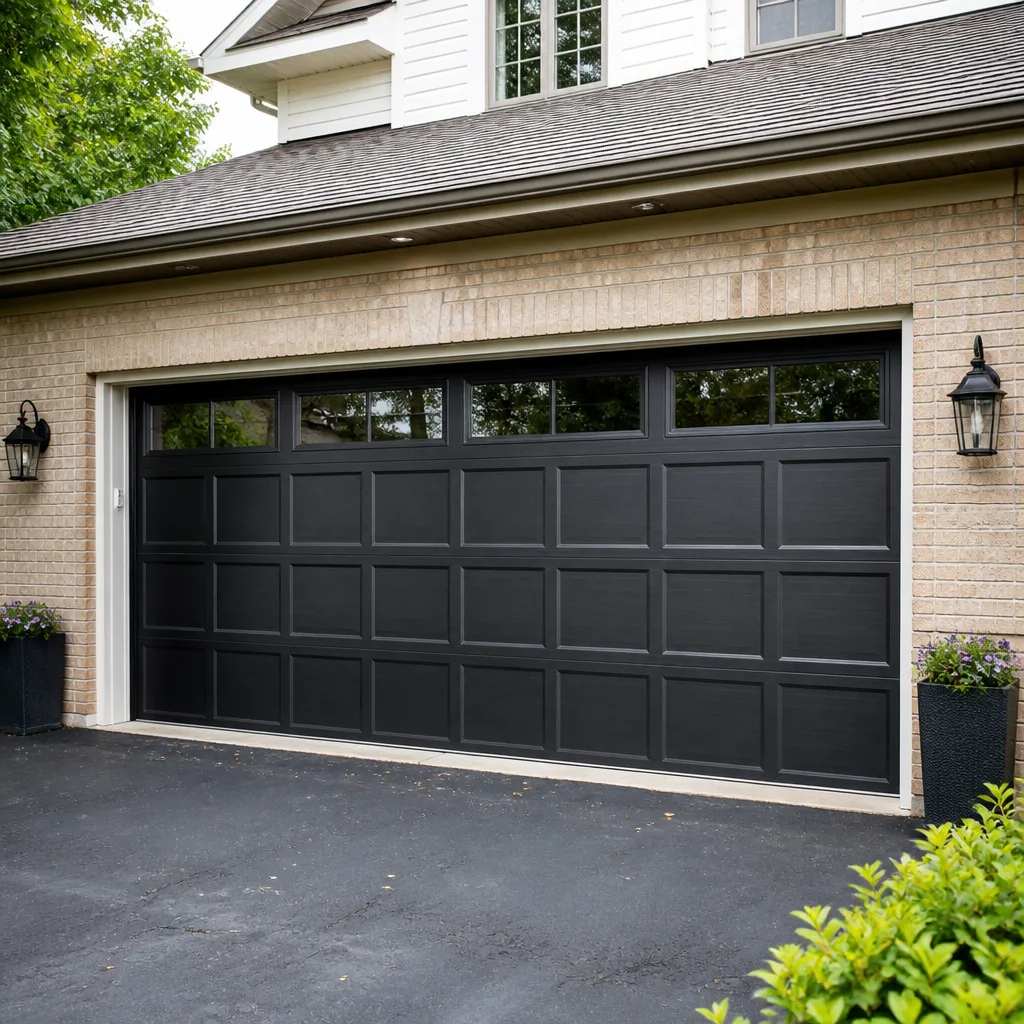 Raised-panel steel
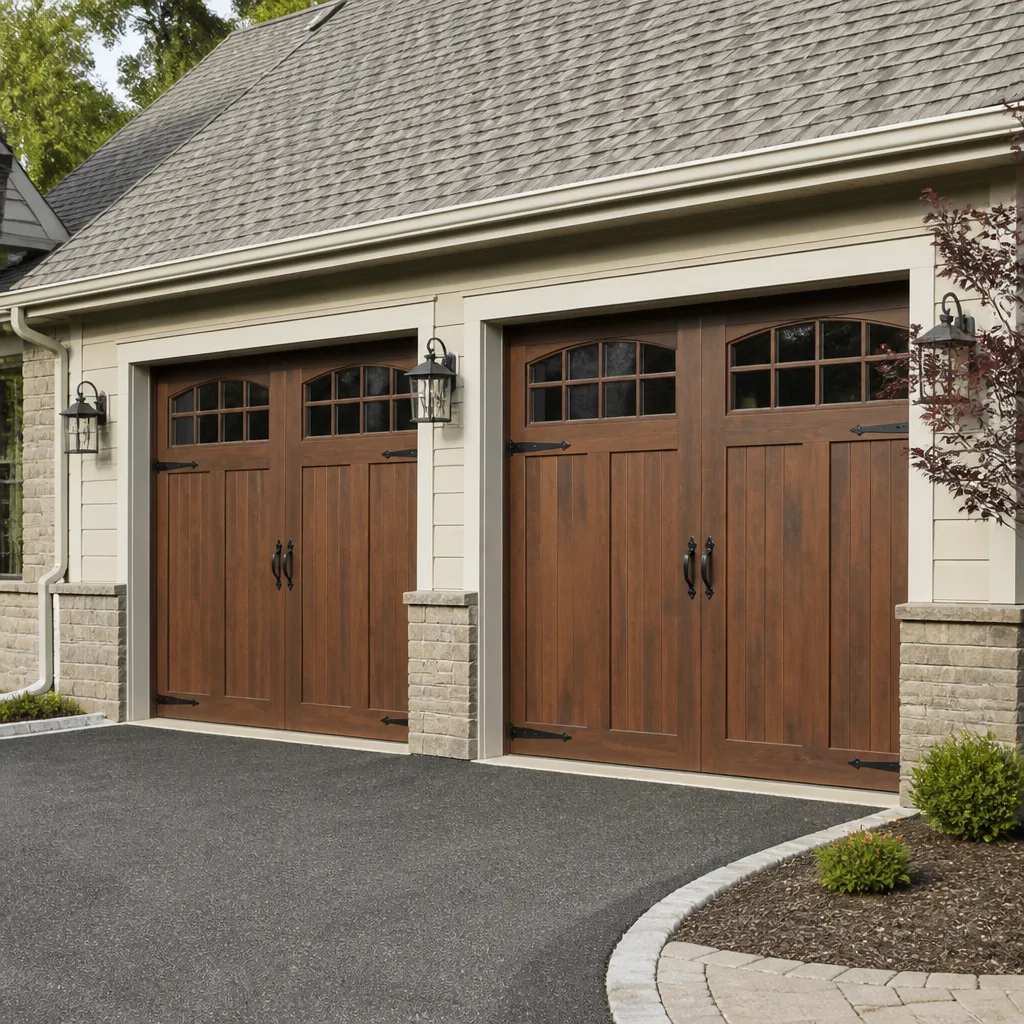 Carriage house
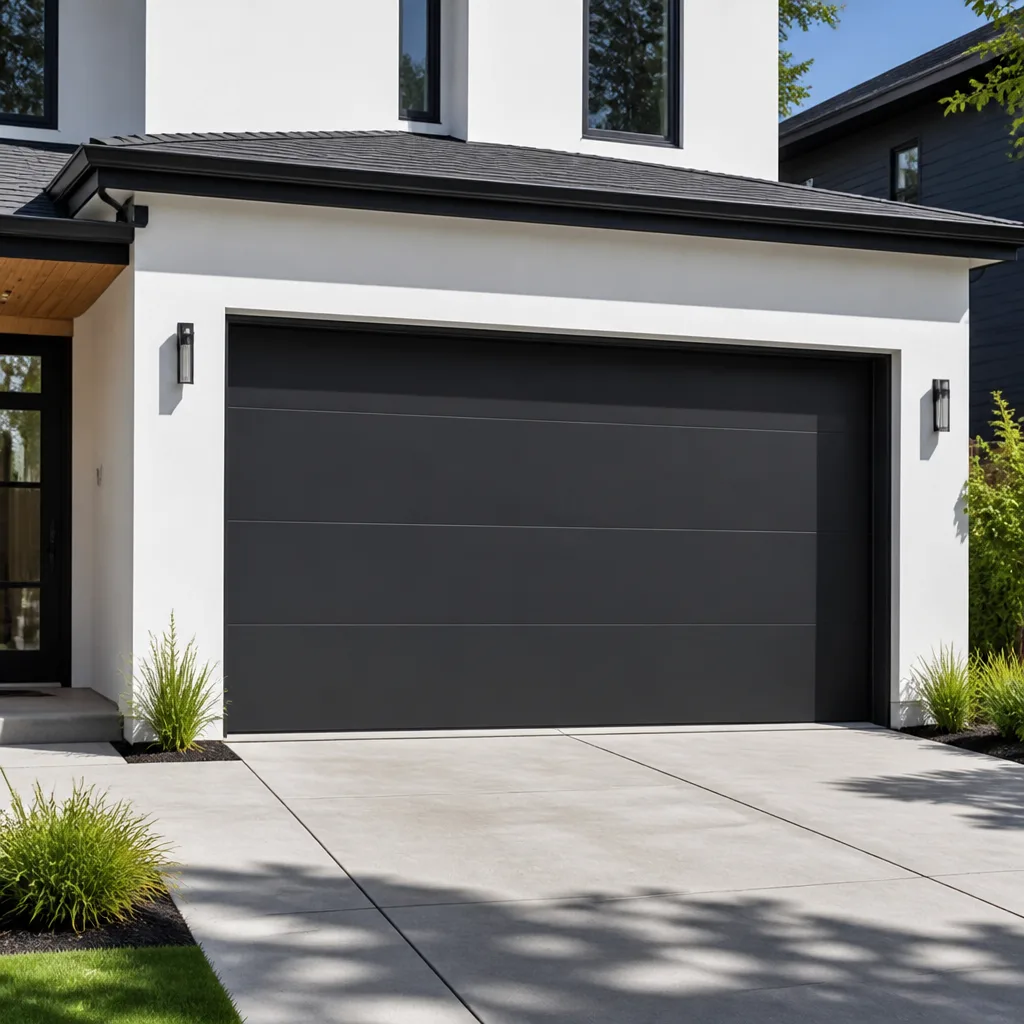 Modern flush
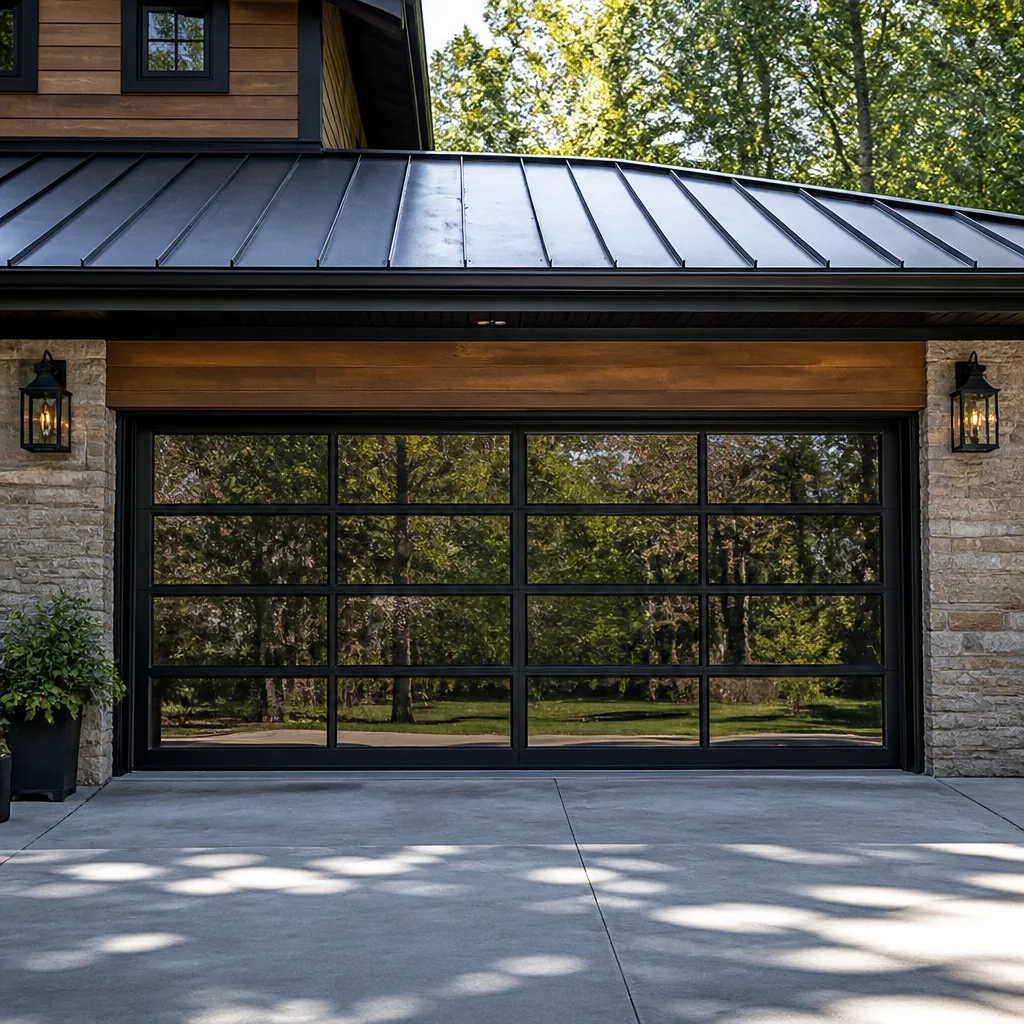 Full-view glass
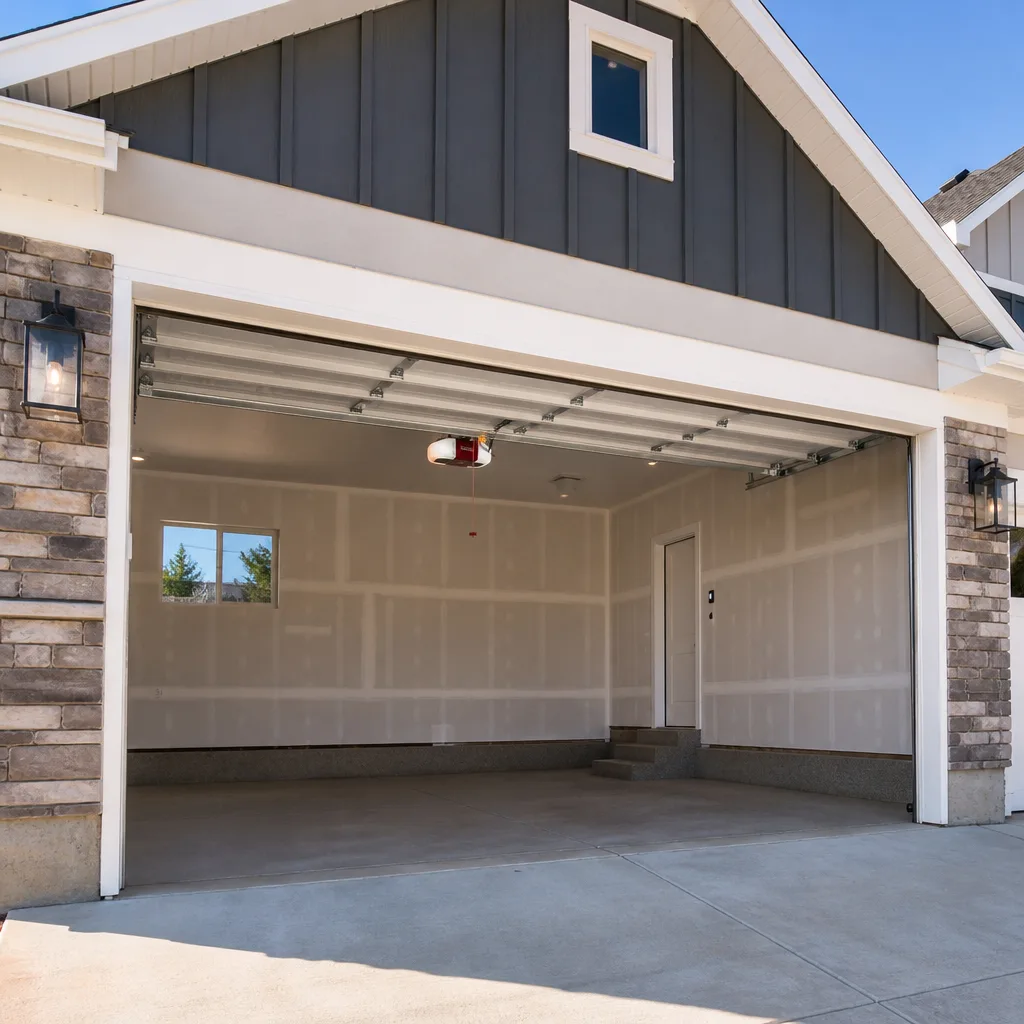 LiftMaster openers
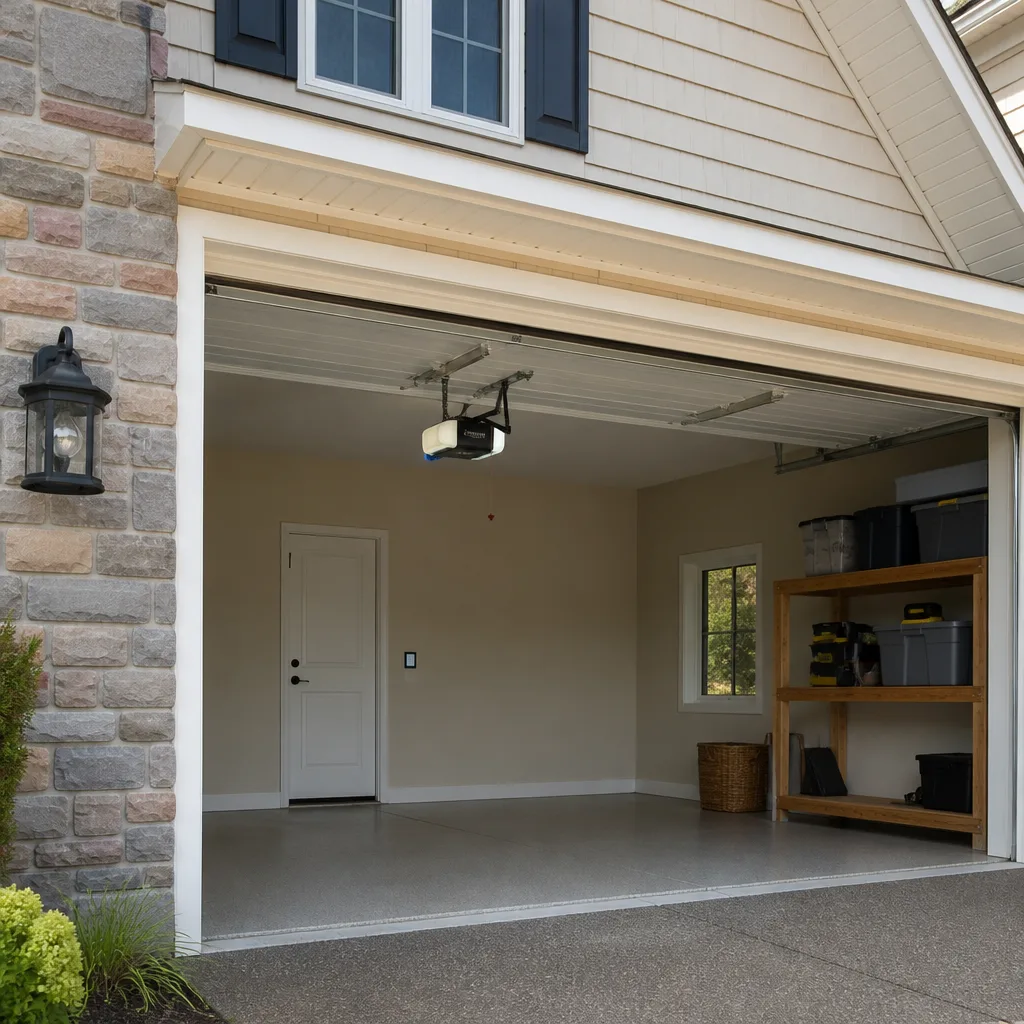 Chamberlain openers
Full 25-point door and opener safety check with every visit - springs, cables, rollers, tracks, and your LiftMaster or Chamberlain opener included
You get a price before we start. It does not change when the truck arrives.
Get your free estimateThe Complete Garage Door Repair Guide for Escondido Homeowners
Escondido sits far enough inland that its garage doors endure a thermal beating most coastal San Diego hardware never faces. A January night dropping into the high 30s followed by a July afternoon pushing past 105°F means the steel in your torsion springs expands and contracts through a 40-degree swing roughly 180 times a year. That repeated stress is the single biggest reason garage door failures in this city happen earlier than homeowners expect. This guide explains exactly how Escondido’s climate, housing stock, and common door brands interact, what fails first, what you can safely handle yourself, and what needs our Garage Door Repair services. You’ll learn how to spot failures before they strand your car in the driveway, and how to keep repair costs from climbing past what the job actually warrants.
Quick Answer
Garage door repair in Escondido, CA most commonly involves torsion spring replacement, cable repair, or opener troubleshooting. A typical spring replacement runs between $180 and $350 depending on your door’s weight and spring cycle rating, and cable repairs typically cost $150 to $250. The fastest way to get an accurate price for your specific door is to call Ironside Garage Door Repair at (855) 341-7752 for a free diagnosis. Most repairs are quoted and agreed before any work begins, so the price you hear is the price you pay.
Styles & brands we work with
Table of Contents
- How Escondido’s Climate Changes What Breaks on Your Garage Door
- The Door Brands You’ll Find in Escondido Neighborhoods and Their Failure Patterns
- What Garage Door Repairs Actually Cost in Escondido and Why
- Which Repairs Are DIY-Safe in This Climate, and Which Are Not
- How to Document Your Garage Door’s Service History to Avoid Duplicate Diagnostic Fees
- A Seasonal Maintenance Calendar Built for Escondido’s Weather Cycles
- Common Mistakes to Avoid
- When to Call a Professional
- Frequently Asked Questions
How Escondido’s Climate Changes What Breaks on Your Garage Door
Most garage door repair guides are written as if every American suburb has the same weather. Escondido doesn’t. The city sits in a valley about 18 miles from the coast, and that distance creates a microclimate with sharper temperature swings, lower humidity, and stronger Santa Ana wind exposure than any beach community. Each of those factors attacks your garage door differently.
First, the thermal expansion cycle. Your torsion spring is made of heat-treated steel wire coiled into a tight spiral. Every time the temperature shifts 10 degrees, that steel expands or contracts by roughly 0.0006 inches per inch of length. Over a spring’s typical 5 to 7 year lifespan in Escondido, that’s thousands of micro-expansions and contractions. The result is metal fatigue that eventually causes the spring to snap, usually at the exact moment the door is under maximum load. We’ve seen springs fail at 6,000 cycles when they should have lasted 10,000, simply because the inland temperature swing accelerated the fatigue.
Second, the dryness. Humidity in Escondido routinely sits between 15 and 30 percent during the summer and fall. That dry air strips lubrication from rollers, hinges, and bearing plates faster than coastal moisture ever would. A garage door roller that runs quietly in Carlsbad will start screeching in Escondido after just a few months if it isn’t lubricated on a schedule. The noise isn’t just annoying. It’s metal-on-metal friction that wears the roller stem down until the wheel binds and chews up the track.
Third, Santa Ana winds. When those east winds gust through the Harmony Grove and Hidden Trails areas, they carry fine dust and grit that accumulates in the horizontal track channels and on the cable drums. That grit acts like sandpaper on moving parts, especially the torsion cables that wind and unwind around the drum every time the door cycles. Cable fraying happens faster here than in neighborhoods closer to the coast because the wind delivers a constant supply of abrasive material into the mechanism.
Knowing these local variables changes how you maintain and diagnose your door, as covered in The Complete Guide to Garage Door in Escondido. A spring that snaps in October wasn’t just old. It spent the previous eight months being thermally cycled through the hottest period of the year. A cable that frays in February was ground down during four months of Santa Ana winds. If you understand the cause, you can take preventive action before the failure strands you.
The Door Brands You’ll Find in Escondido Neighborhoods and Their Failure Patterns
Escondido’s housing stock falls into roughly three generations. The Kit Carson and Midway neighborhoods have homes from the 1960s and 1970s, many of which still run original wooden doors or early steel replacements. The 1980s and 1990s tracts around Felicita and Lake Hodges saw a wave of builder-grade steel doors, most of them Wayne Dalton or Clopay units. The newer developments, particularly in the hills around Valley Center Road and the communities east of I-15, feature modern doors with LiftMaster or Chamberlain openers paired to Clopay or Amarr panel systems.
Each generation of door has predictable failure patterns, and knowing which brand you have shortens diagnosis time considerably.
Wayne Dalton doors from the 1990s are notorious for their proprietary TorqueMaster spring system. That internal spring design mounts inside the torsion tube rather than on top of it, and when it fails, it doesn’t make the loud bang you associate with a broken spring. It just silently loses tension. The door gets heavy, the opener starts straining, and the homeowner often doesn’t realize the spring has failed until the opener’s gear strips and the whole assembly stops working. If you own a Wayne Dalton from this era, listen for your opener running longer than normal, and watch for the door becoming noticeably heavier to lift manually.
Clopay doors are common across every Escondido subdivision, and they hold up well in the dry heat when the weather seal is maintained. The typical failure point is the bottom seal itself. Escondido’s low humidity shrinks and cracks rubber weatherstripping, and once that seal fails, the door’s lower panel starts absorbing dust and heat, which warps the steel over time. The fix is usually simple, a new seal, but homeowners often ignore the cracked rubber until water intrusion in a rare heavy rain shows them the problem.
LiftMaster openers dominate the newer homes in Escondido, and their known weak point is the plastic drive gear inside the motor housing. That gear is designed to strip before the motor burns out, which is a good engineering fail-safe, but in Escondido’s heat, the plastic gets brittle faster. A stripped drive gear sounds like the opener is running but nothing is moving. The motor hums, the chain or belt doesn’t engage, and the door stays put. The repair is straightforward but requires opening the motor unit, and that’s not a job for a casual DIY attempt.
Genie and Chamberlain openers show up in the middle generation of Escondido housing, and their failure modes are typically electronic rather than mechanical. Logic board failures, capacitor burnouts, and limit switch drift are common after years of thermal cycling in uninsulated garages. An uninsulated Escondido garage can hit 120°F in August, and that ambient heat shortens the lifespan of every circuit board inside your opener.
The takeaway for homeowners: identify your door and opener brand before you call for service. A technician who knows the TorqueMaster spring is a different spring than the standard torsion design will diagnose a Wayne Dalton failure in minutes rather than guessing. That’s the value of brand-specific knowledge, and it’s why we’ve built our service around knowing the common failure patterns of every major brand found in Escondido housing stock.
What Garage Door Repairs Actually Cost in Escondido and Why
Repair pricing in Escondido follows the same logic as any service trade: parts quality, time on site, and the technician’s experience determine the bill. Here’s a straightforward breakdown of what you can expect to pay for the most common repairs in this market.
Typical Escondido Repair Costs
| Repair Type | Parts | Labor | Total Range |
|---|---|---|---|
| Torsion spring replacement (single) | $45-$90 | $90-$160 | $135-$250 |
| Torsion spring replacement (pair) | $90-$180 | $90-$160 | $180-$340 |
| Cable replacement (single side) | $25-$50 | $75-$125 | $100-$175 |
| Cable replacement (both sides) | $50-$100 | $75-$125 | $125-$225 |
| Roller replacement (set of 10-12) | $60-$120 | $70-$100 | $130-$220 |
| Bottom weather seal replacement | $30-$60 | $50-$80 | $80-$140 |
| Opener logic board replacement | $100-$250 | $75-$120 | $175-$370 |
| Opener drive gear replacement | $45-$90 | $90-$140 | $135-$230 |
These ranges reflect the Escondido market specifically. Prices on the coast run slightly higher because of overhead costs and travel time. In rural East County, they sometimes run lower because there’s more handyman competition, but that competition often comes without the brand-specific training that prevents a repeat service call six months later.
The most important factor in these prices is that they are quoted and agreed before any work starts. A reputable garage door company in Escondido will give you a firm number after inspecting the door. If a technician can’t or won’t give you a written quote before touching your door, that’s a red flag. The price you’re quoted should be the price on the invoice, with no surprise add-ons after the fact.
Spring replacement deserves particular attention. Most torsion springs are rated in cycles, typically 10,000, 20,000, or 30,000 cycles. A 10,000-cycle spring on a door that opens and closes four times a day lasts about seven years. Upgrading to a 30,000-cycle spring costs perhaps $30 to $50 more per spring, but it extends the lifespan to twenty years or more. In Escondido, where the thermal cycling shortens spring life anyway, the higher-cycle spring is almost always the better investment, especially if you plan to stay in your home for more than a decade.
Which Repairs Are DIY-Safe in This Climate, and Which Are Not
Homeowners ask us constantly what they can fix themselves. The honest answer is that some maintenance tasks are genuinely safe for a careful person with basic tools, while others are dangerous enough that even experienced technicians approach them with respect, as detailed in DIY vs Professional Garage Door: The Escondido Homeowner’s Decision Guide. The line in Escondido is drawn by the heat stress factor, hardware that has been thermally cycled for five or ten years is more brittle and more unpredictable than hardware in a mild climate.
DIY-Safe Maintenance Tasks
- Lubricating rollers, hinges, and springs with a silicone-based garage door lubricant. Do this every three months in Escondido, more often during Santa Ana season when grit accumulates faster.
- Tightening visible bolts and nuts on the track brackets and hinges. Loose hardware is common after years of thermal expansion and contraction, and tightening is safe with basic wrenches.
- Replacing the bottom weather seal if you have a standard T-style or U-style channel. This is a slide-out, slide-in job that requires no spring tension work.
- Cleaning the photo-eye sensors on the opener. Dust from Santa Ana winds builds up on the lenses and prevents the door from closing. A dry cloth usually solves it.
- Testing the auto-reverse function by placing a piece of cardboard under the door and closing it. If the door doesn’t reverse, call a technician, but the test itself is safe.
Repairs That Require a Trained Professional
- Torsion spring replacement. The spring stores enough energy to throw a wrench across the garage at 200 miles per hour. Heat-stressed springs in Escondido are even less predictable than new ones. This is the one repair where DIY injuries are catastrophic and permanent. Do not attempt it.
- Cable replacement near the bottom bracket. The bottom bracket is under full spring tension, even when the door is up. If the cable snaps while you’re working, the bracket can shoot off with lethal force.
- Opener motor unit repair. Opening the motor housing exposes capacitors that can hold a charge even when unplugged. A wrong move on a logic board can also brick the opener entirely, turning a $150 repair into a $400 replacement.
- Track realignment. Track work looks simple in videos, but if the door is slightly out of level when you finish, the rollers will bind and the opener will fight itself until another component fails. That secondary failure is always more expensive than a technician’s visit would have been.
The rule we apply in our own work: if the repair involves spring tension, cables under load, or electrical components, call a professional. The cost of a service call is less than the cost of a failed DIY attempt on a stressed spring.
How to Document Your Garage Door’s Service History to Avoid Duplicate Diagnostic Fees
When you call a garage door repair company in Escondido, the first thing a knowledgeable technician will do is ask about the history of the door. When was the last spring replacement? Has the opener been replaced or just repaired? Any prior cable work done? If you can answer those questions precisely, you save the technician 20 minutes of diagnostic time, and you reduce the chance of paying for the same diagnosis twice.
We recommend keeping a simple log, either on paper taped inside the garage or as a note on your phone. Here’s what it should contain:
- The date and type of every repair. “Spring replaced March 2023” is enough. Include the brand of the replacement part if you have it.
- The spring cycle rating. If your springs were upgraded to 30,000-cycle units, write that down. It tells the next technician whether the spring that snapped was underperforming or had simply reached the end of its rated life.
- The brand and model of your opener. LiftMaster, Genie, Chamberlain, the model number is usually on a sticker on the back of the motor unit. This saves the diagnostic step of identifying the opener every time.
- Any adjustments made. If a previous technician adjusted the travel limits or force settings, note it. A door that has been reprogrammed multiple times may be masking a deeper problem.
- Photos of the spring system. Take a photo of the torsion spring and cable drum area every year or after any repair. If something fails later, the photo gives the technician a “before” reference.
This documentation matters more in Escondido than it might elsewhere because the climate accelerates wear on predictable cycles. If your last spring replacement was in 2018 and you know it was a 10,000-cycle spring, you can anticipate that you’re due for another one around 2025 and budget accordingly. If you don’t have that record, the technician has to infer everything from current wear patterns, and that inference time is part of the diagnostic fee.
A responsible service call starts with listening to what you know about your own door. The more you document, the faster we can get to the actual repair.
A Seasonal Maintenance Calendar Built for Escondido’s Weather Cycles
Generic maintenance calendars tell you to check your garage door in spring and fall. But Escondido’s weather doesn’t follow a spring/fall rhythm. It follows a hot-dry-summer and a mild-wet-winter pattern, with Santa Ana winds disrupting things in the fall. Here’s a calendar that lines up with what actually happens in this city.
January to March: Wet Season Inspection
- Check the bottom seal for cracks that winter rains might exploit. A failed seal lets water under the door, which rusts the bottom brackets and rotting wood frames in older Kit Carson homes.
- Lubricate rollers and hinges after heavy rain. Water entering the track channels washes away lubrication faster than dry weather.
- Test the auto-reverse function. The photo-eye sensors get dirty in wet, windy weather, and a misaligned sensor is a safety failure.
April to June: Pre-Summer Heat Preparation
- Apply a fresh coat of silicone lubricant to all moving parts. This is the last comfortable window before garage temperatures climb past 100°F.
- Check the spring tension. A door that’s slightly heavy in April will be heavily strained by the thermal expansion of July. If the door doesn’t hold at the halfway point when opened manually, call for a spring tension adjustment.
- Inspect cables for any fraying that happened during the winter. Replacement is cheaper now than a mid-summer emergency.
July to September: Heat Watch
- Listen for new noises. High heat amplifies every squeak and grind. A roller that was quiet in June might be screaming in August.
- Watch for the opener running longer than usual. Heat-stressed springs lose tension, and the opener compensates by working harder. That extra strain is what strips drive gears.
- Avoid running the door unnecessarily during the hottest hours. Your garage is an oven. Every cycle on a 110°F afternoon adds outsize wear.
October to December: Santa Ana and Temperature Plunge Season
- Clean the photo-eye lenses weekly during windy periods. Santa Ana dust is fine enough to coat the lenses in a single day.
- Check track alignment. The first cold snap after a hot summer causes the steel parts to contract. If the door was slightly out of level in September, the contraction can bind the rollers.
- Verify the emergency release cord works. If the opener fails during the first cold night, you’ll want the ability to disconnect it and operate the door manually.
Following this calendar takes about 30 minutes per season. Most of the tasks are inspection and lubrication, not repairs. But those 30-minute checks catch small problems before they become big ones, and in Escondido, the window between “squeak” and “snapped spring” is shorter than homeowners expect. If you want a professional second opinion on any of these items, Garage Door Installation in Escondido and our repair team can run through the full checklist.
Common Mistakes to Avoid
- Ignoring the squeak. A squeaking garage door in Escondido is not a cosmetic annoyance. It’s dry metal grinding against dry metal, and within months that grinding turns a $5 lubrication job into a $200 roller replacement or a damaged track section. Treat every new noise as a diagnostic clue.
- Lubricating with WD-40. WD-40 is a solvent, not a garage door lubricant. It strips away the existing grease and leaves parts drier than before. Use a silicone-based or lithium-based garage door lubricant specifically formulated for the job.
- Replacing only one spring. When one torsion spring breaks, the other is almost always near the end of its life too. Replacing just the broken one saves money in the short term, but you’ll pay for a second service call within months. In Escondido’s heat, both springs have aged at the same rate. Replace them as a pair.
- Disconnecting the opener while the door is up. If you pull the emergency release while the door is in the raised position, the door can slam down with full force. The release is designed to be used when the door is closed. Pulling it with the door up can injure you and damage the door’s bottom panel.
- Using the garage door as a front door. Homes in Escondido’s newer developments often have attached garages that lead directly into the life of the house. Using the garage door as the primary entry and exit doubles or triples the daily cycle count, and in this heat, that means the spring and opener wear out at double speed. If you use the garage for daily access, budget for more frequent maintenance.
- Hiring without asking about brand familiarity. Every technician can say they work on garage doors. The question is whether they know the specific brand of door and opener you have. A generalist handyman will diagnose a Wayne Dalton TorqueMaster failure by trial and error. A brand-fluent technician will know the failure pattern before they arrive. Ask the question before you book.
- Delaying a cable inspection after a spring breaks. When a torsion spring snaps, it releases sudden tension through the entire system. Cables that were fine before the break often have hidden damage afterward. Skipping the cable inspection means risking a cable failure weeks or months later that drops the door suddenly.
When to Call a Professional
Any time the repair involves a torsion spring, a cable under load, or an electrical component inside the opener, call a professional. That’s not a recommendation; it’s a safety boundary. A spring under tension stores enough energy to cause permanent injury, and in Escondido, where thermal cycling has made the metal brittle, the risk is higher than in cooler climates.
Beyond safety, call a professional when you can’t identify the root cause. A door that jerks halfway up and stops might be a track issue, a spring issue, or an opener sensor issue. Guessing and replacing parts one by one is the most expensive way to repair anything. A focused diagnostic visit answers the question definitively in under an hour. Garage Door Opener Repair in Escondido from Ironside covers the electronic half of that equation, and our general Garage Door Repair in Escondido service covers the mechanical side. Ironside Garage Door Repair offers free estimates in Escondido, call (855) 341-7752 for a straight diagnosis with no pressure.
Frequently Asked Questions
A spring replacement in Escondido typically costs $180 to $340 for a pair, including parts and labor. The price depends on your door’s weight, the spring cycle rating you choose, and the brand. Most reputable companies will quote the price before starting work. Call (855) 341-7752 for a firm quote on your specific door, and ask about upgrading to higher-cycle springs, which last longer than the standard units in Escondido’s heat.
Many repair calls in Escondido are handled on the same day the homeowner calls, especially when a spring has broken and the door won’t open. Emergency response is common for this type of failure. If your door is stuck closed or stuck open, describe the problem clearly when you call so the technician can confirm the likely parts are on the truck before heading to your neighborhood.
No. A legitimate Escondido garage door repair company will inspect the door, identify the problem, and give you a written quote that includes parts and labor before any work begins. The quoted price and the final invoice price should always match. If a company tells you the price is only an estimate and then adds charges after the fact, find a different contractor.
LiftMaster and Chamberlain openers dominate the newer Escondido developments east of I-15, while Genie and Craftsman units are common in the 1980s and 1990s tracts around Felicita and Lake Hodges. Working with a company that regularly services all these brands means the technician will recognize your unit’s known failure patterns immediately instead of diagnosing from scratch.
In Escondido, lubricate your rollers, hinges, and spring every three months. The low humidity and Santa Ana dust accelerate lubrication breakdown, and the 40-degree seasonal temperature swing puts additional friction on moving parts. Use a silicone-based garage door lubricant only; never WD-40, which strips existing grease and makes the problem worse.
Most garage door replacements in Escondido do not require a building permit if you’re replacing like-for-like, meaning the new door fits the existing opening without structural modifications. However, if the rough opening changes, or if you’re adding a new door where none existed, a permit is typically required through the City of Escondido’s building division. A professional installer will confirm this before work starts.
First, don’t force the door open. If the spring has snapped, lifting the door manually puts you under a 150 to 200 pound load with no mechanical advantage. Second, check whether you have an alternate way to get the car out, like a rear pedestrian door or a second vehicle. Third, call Ironside Garage Door Repair home at (855) 341-7752 and describe the situation. A spring replacement usually gets you back in operation the same day, and we quote the full price before touching your door.
The Bottom Line
Garage doors in Escondido fail differently than garage doors in coastal San Diego, and the difference comes down to climate. The 40-degree daily temperature swing, the low humidity, and the Santa Ana winds all put specific stress on springs, cables, seals, and opener electronics. Knowing your door’s brand, documenting its repair history, and following a maintenance calendar built around Escondido’s actual seasons will extend the life of your system and reduce the frequency of emergency calls. When a repair is beyond the safe DIY boundary, a brand-fluent, dedicated garage door company is the difference between a fix that holds and a fix that fails. Ironside Garage Door Repair services every major door and opener brand found in Escondido, and the assessment is always free. For more guides & resources, visit our blog. Call (855) 341-7752 for a straight diagnosis and a written price before any work begins.
Written by the team at Ironside Garage Door Repair, serving Escondido since 2016.
See the difference
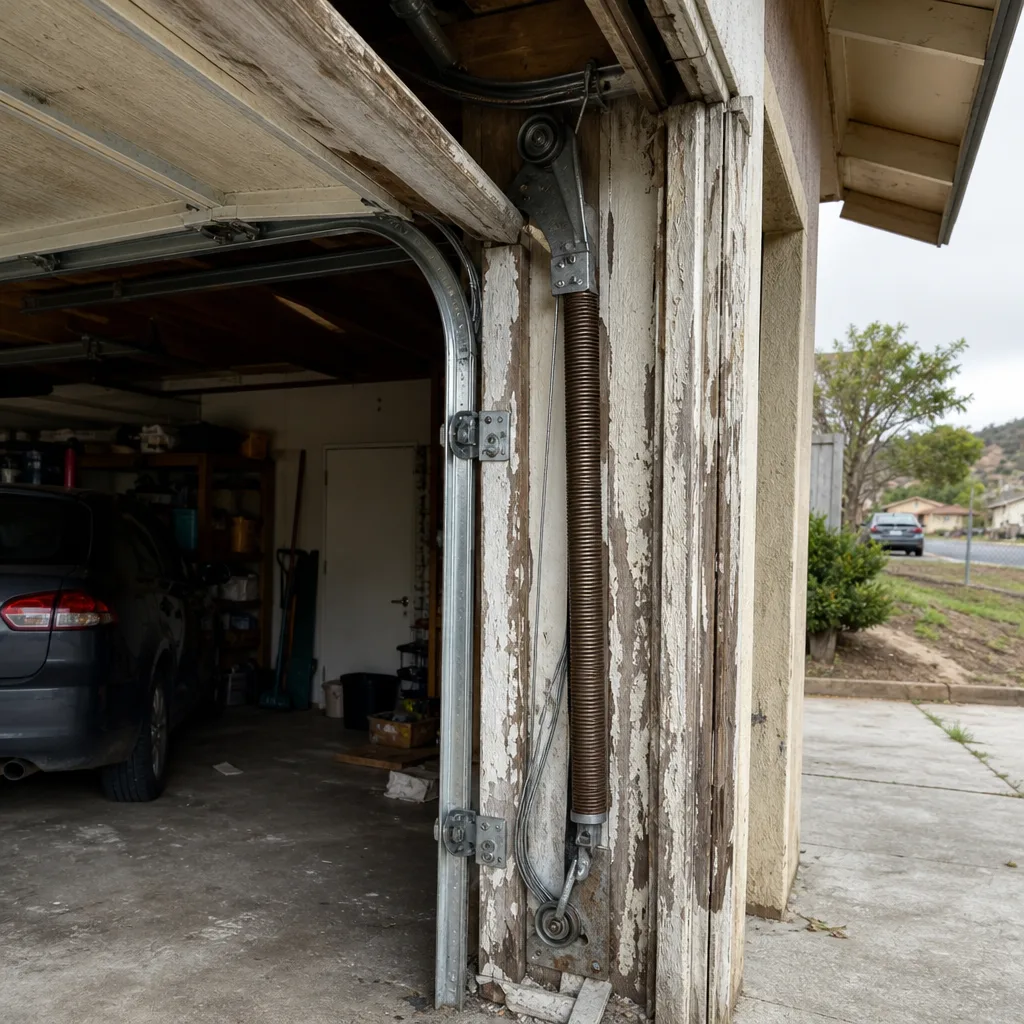 Before
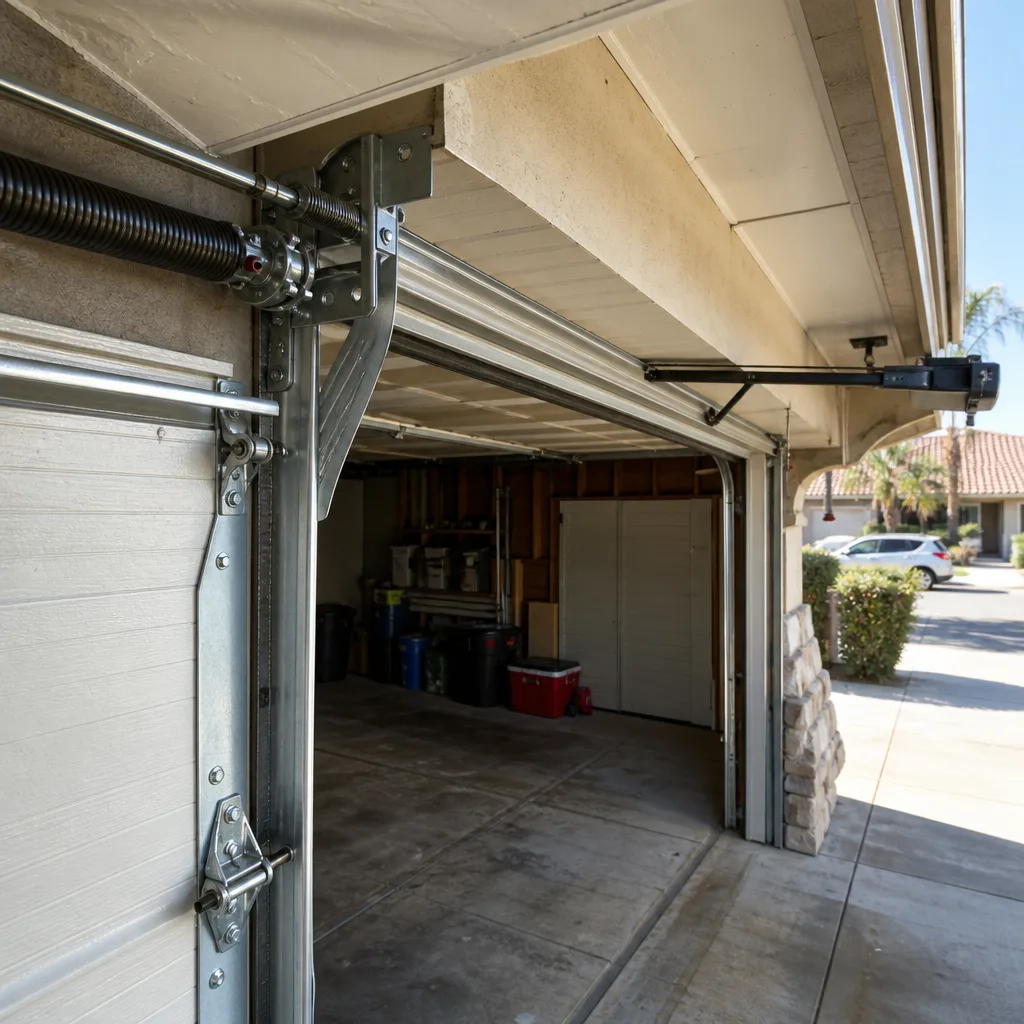 After
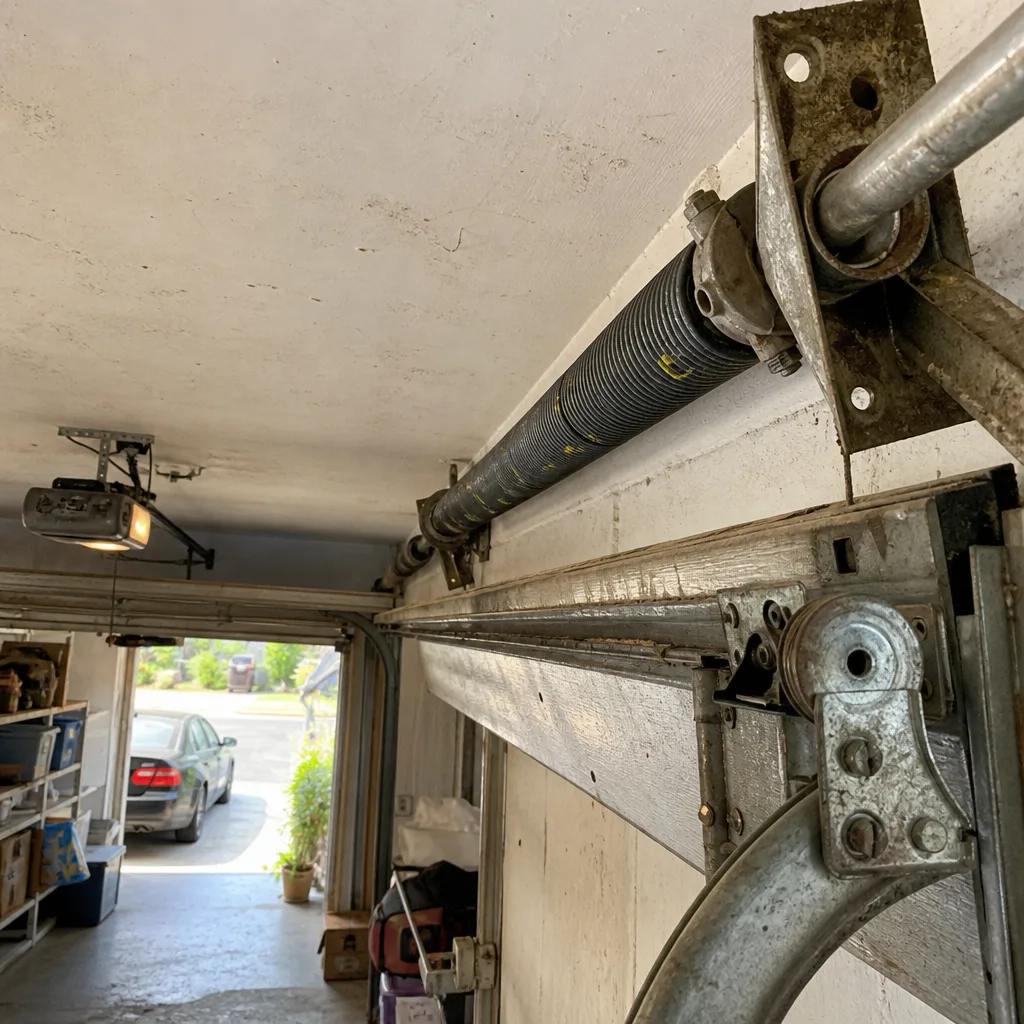 Before
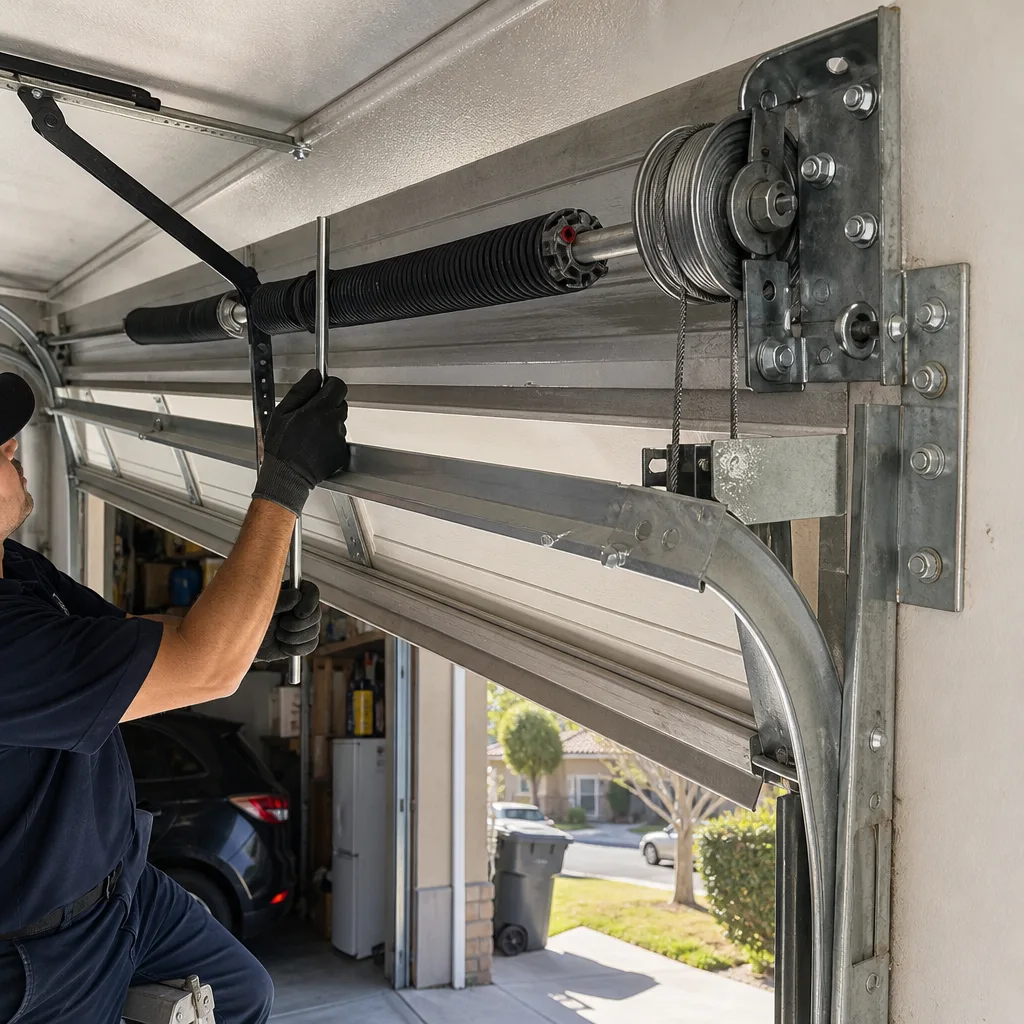 After
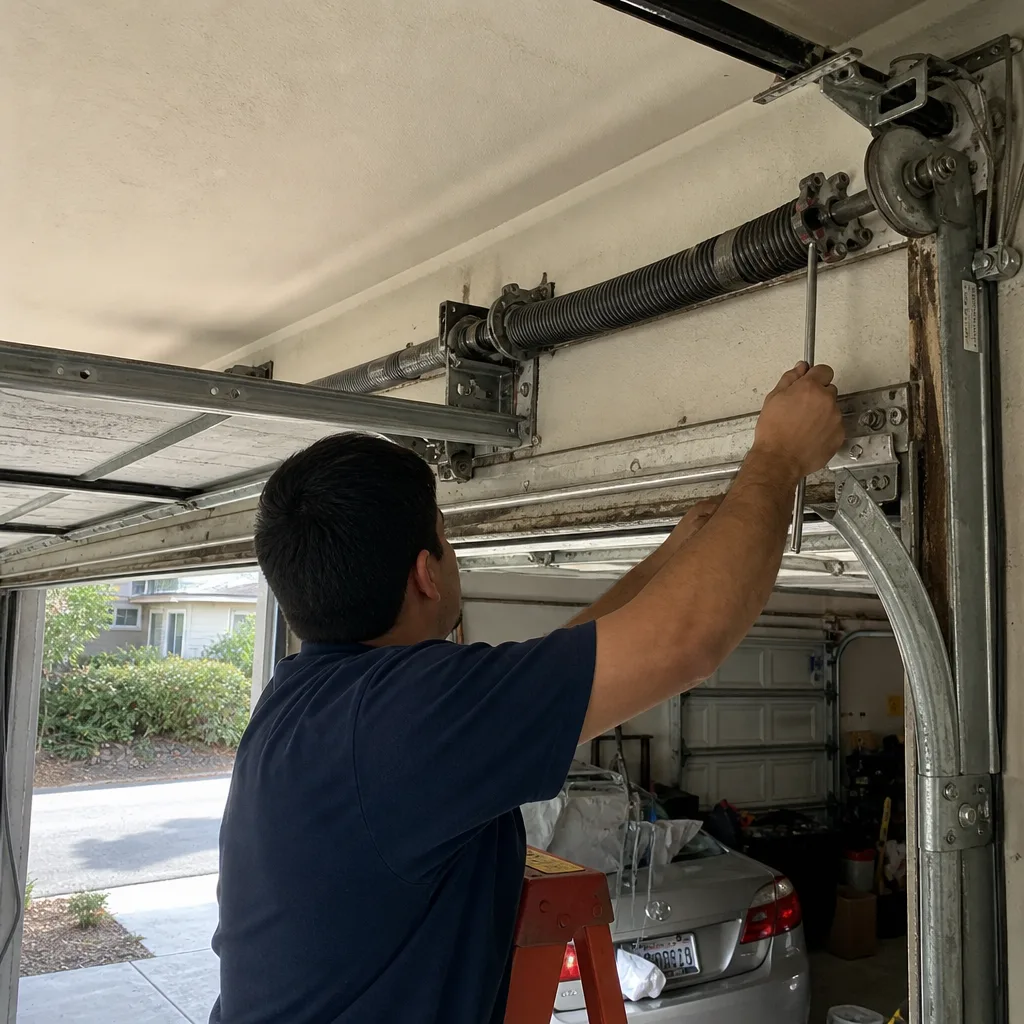 Before
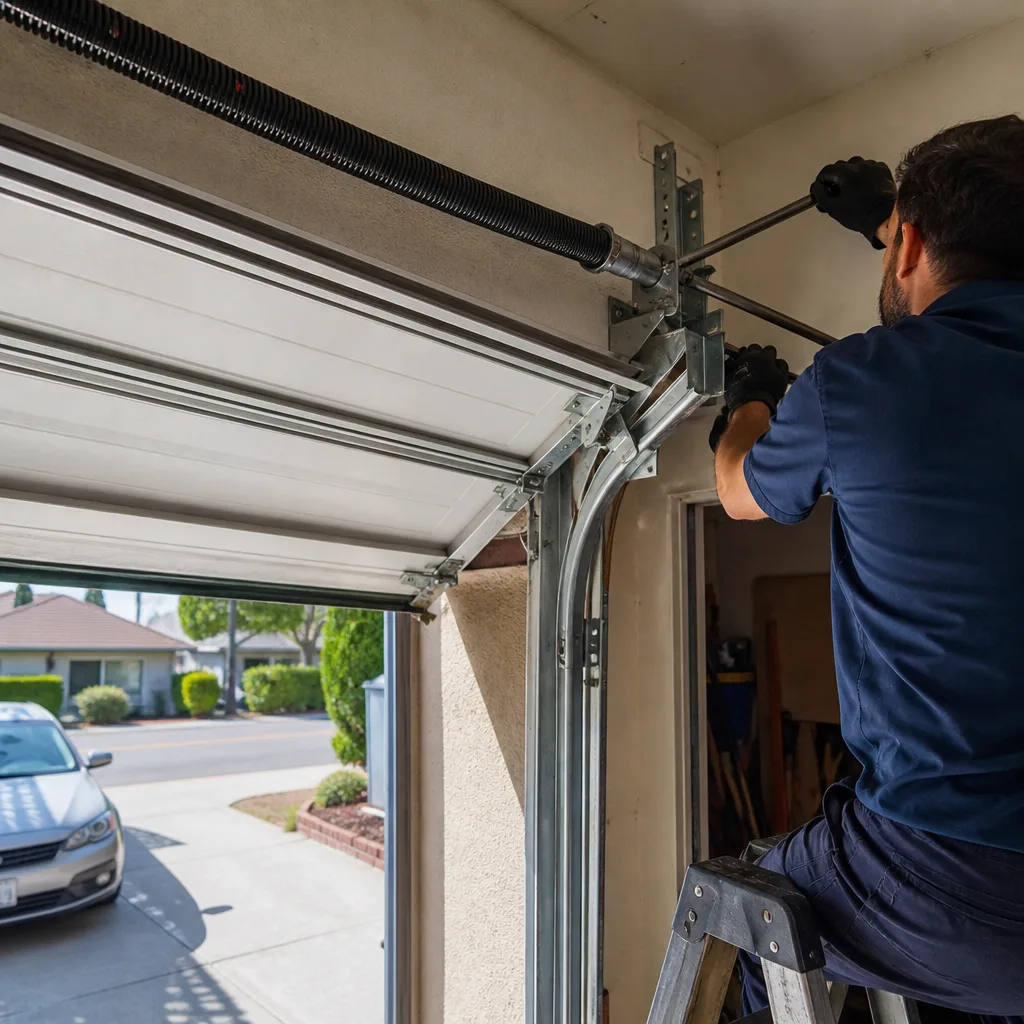 After