
Last updated October 31, 2026
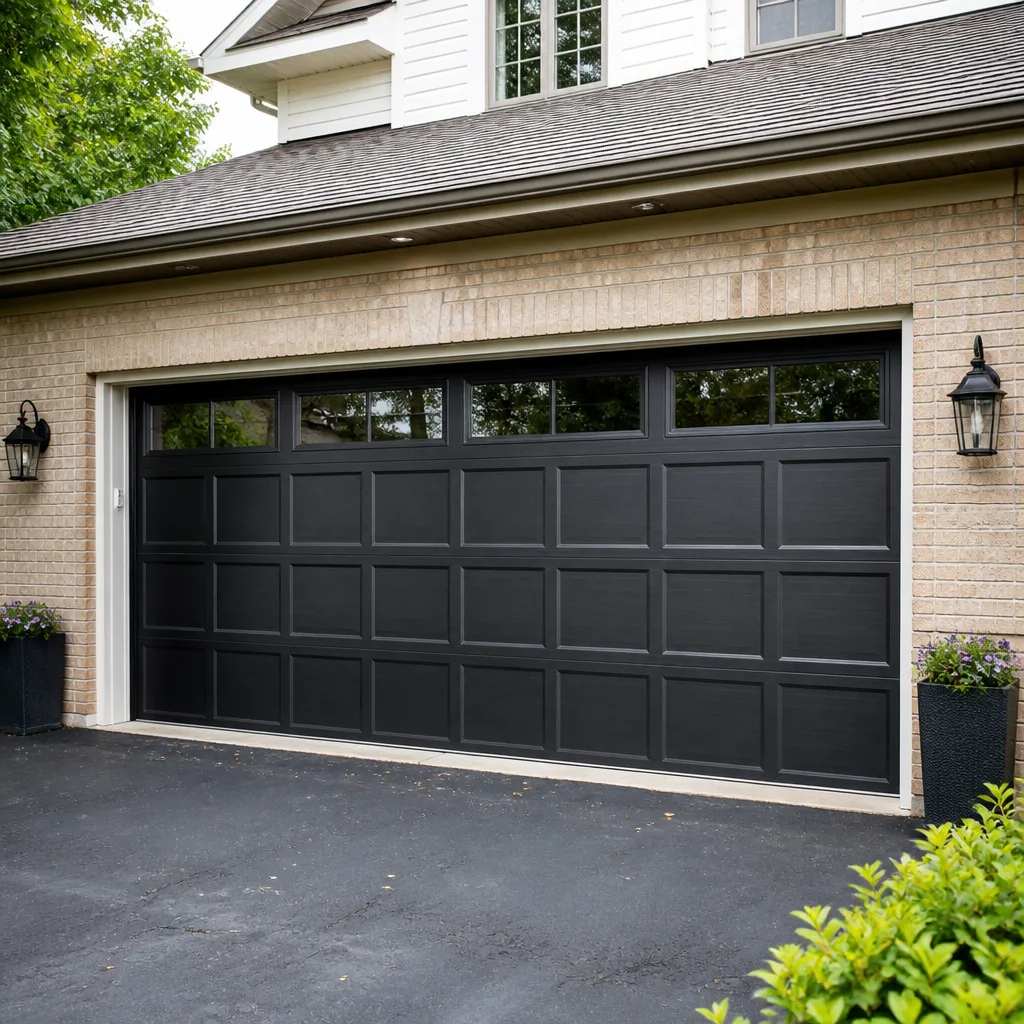 Raised-panel steel
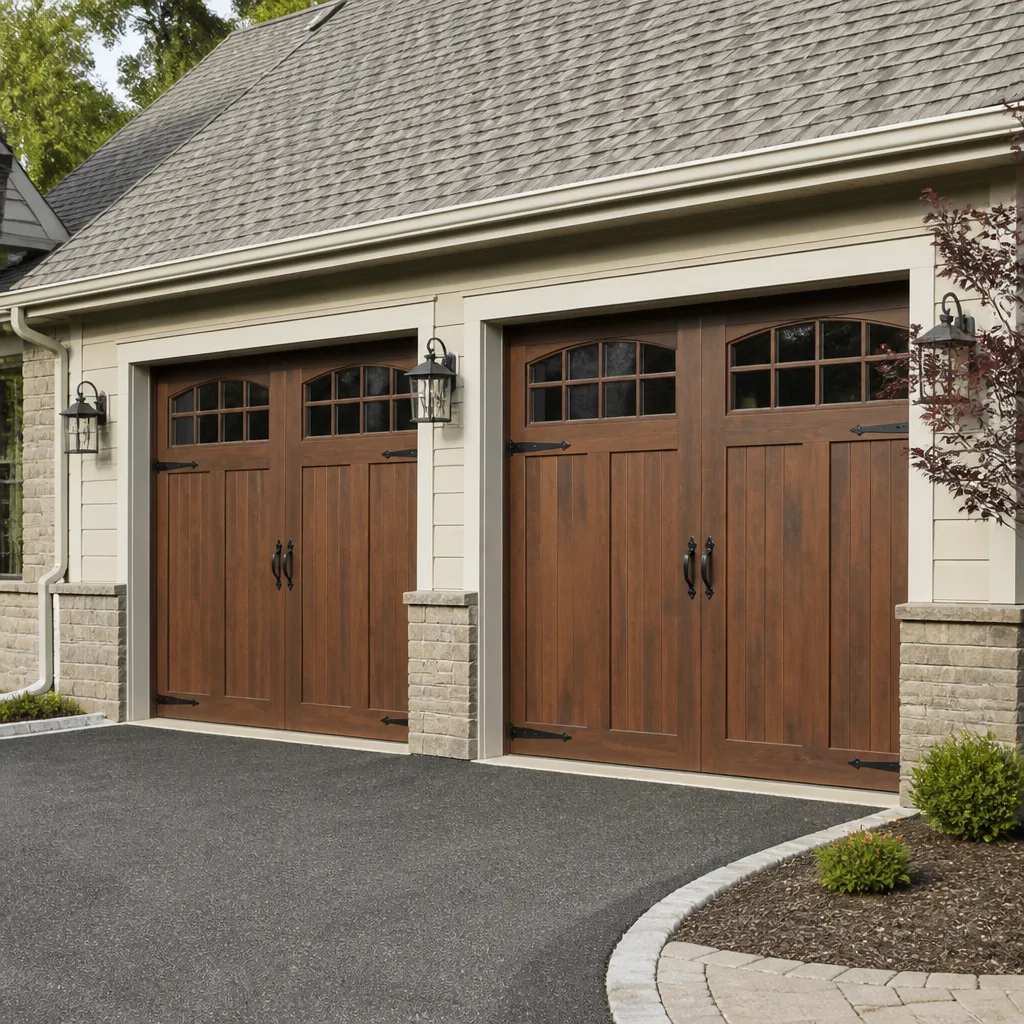 Carriage house
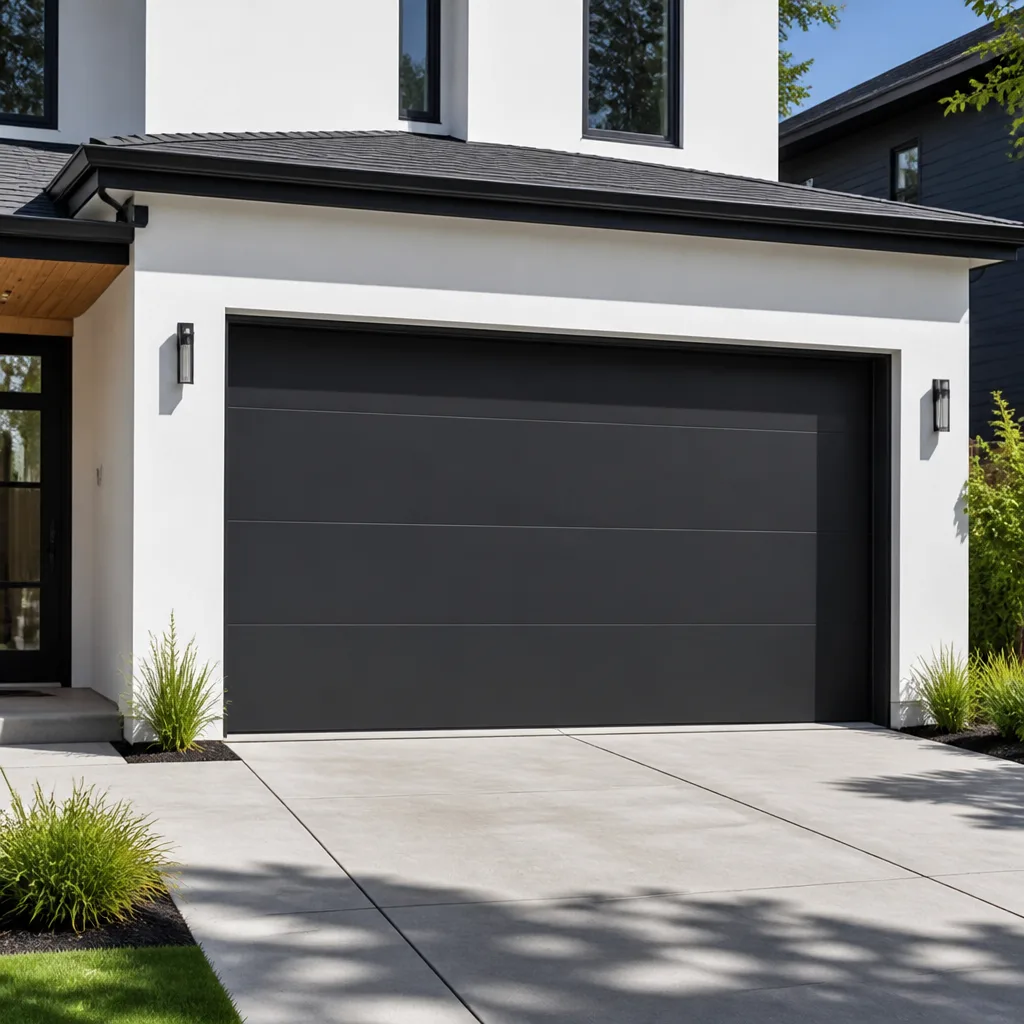 Modern flush
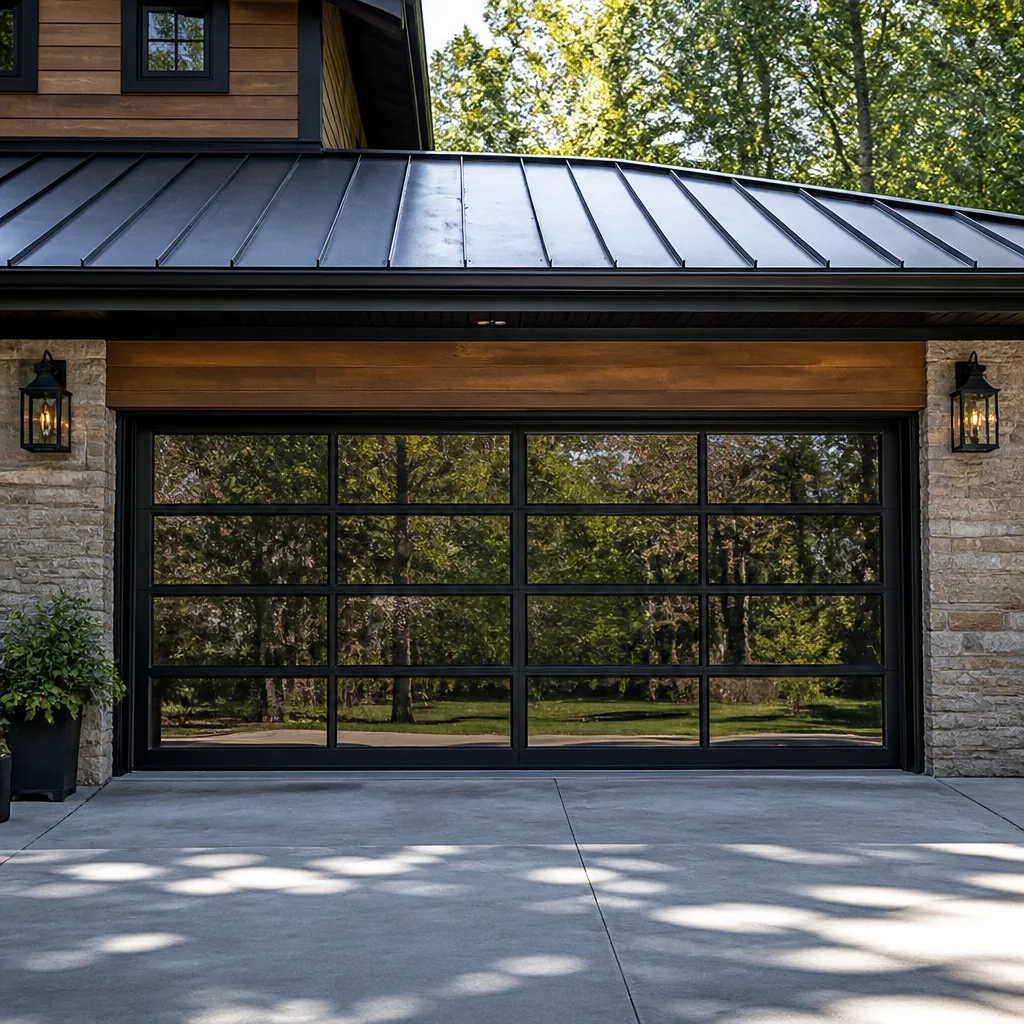 Full-view glass
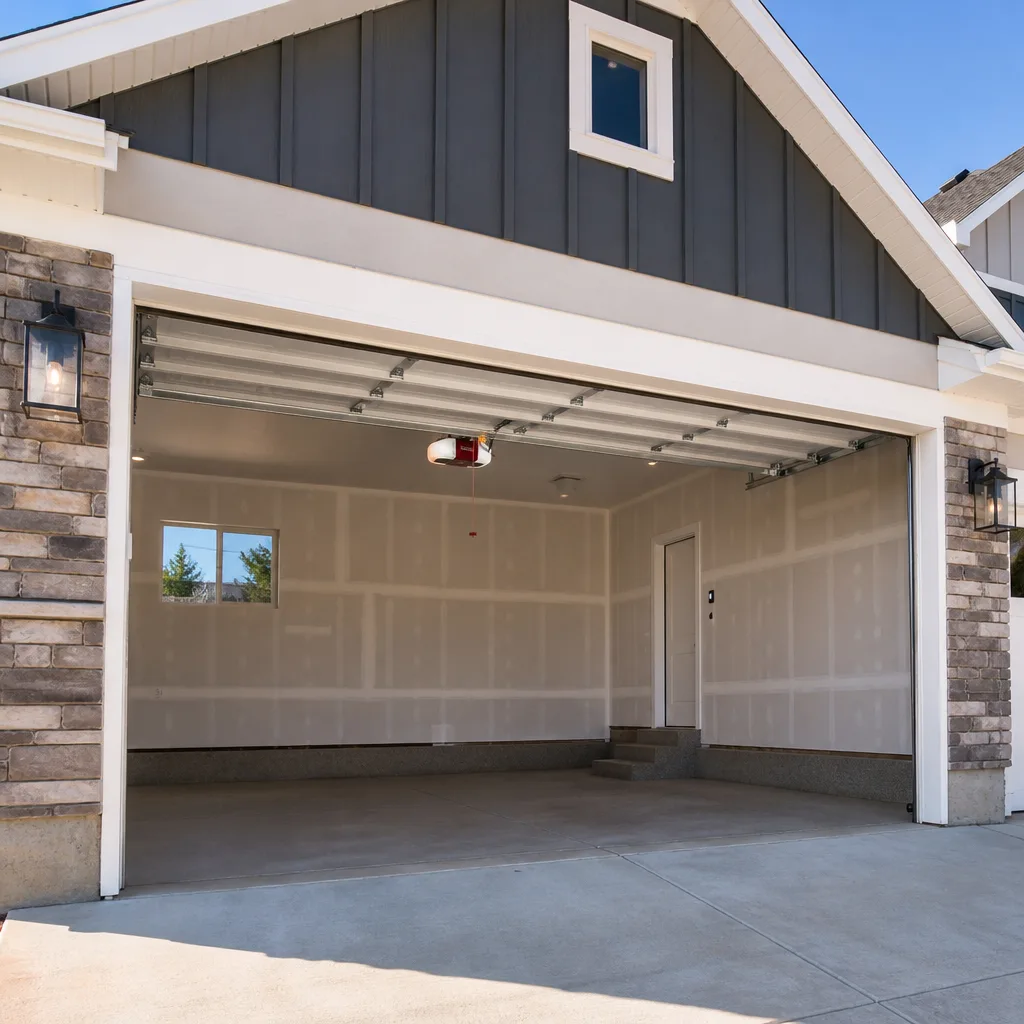 LiftMaster openers
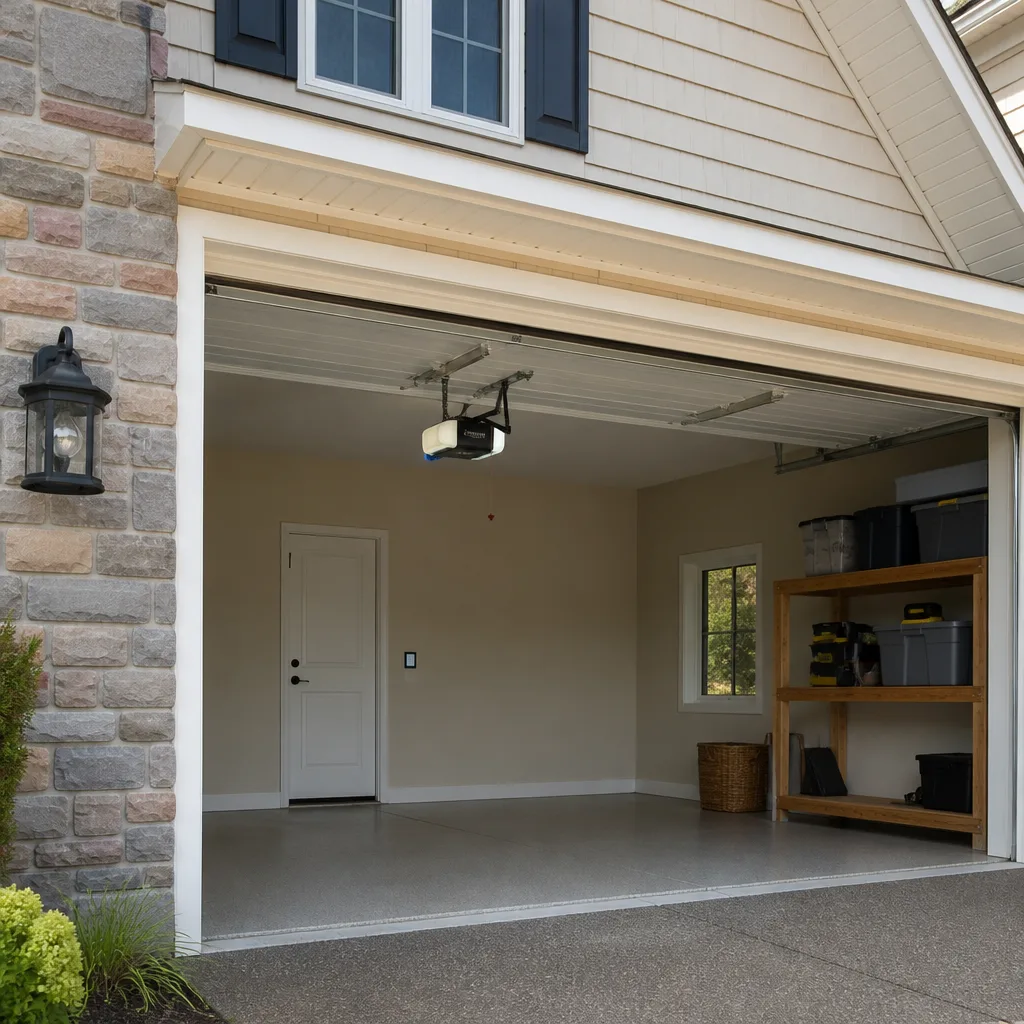 Chamberlain openers
Full 25-point door and opener safety check with every visit - springs, cables, rollers, tracks, and your LiftMaster or Chamberlain opener included
You get a price before we start. It does not change when the truck arrives.
Get your free estimateSeasonal Garage Door Care for Escondido: Year-Round Homeowner’s Guide
Escondido’s climate is mild enough that most homeowners skip seasonal maintenance entirely, which is exactly why technicians here see so many doors that have been slowly failing for two years before anyone noticed. A garage door weighs between 250 and 400 pounds, runs on a system of springs, cables, rollers, and tracks that cycles hundreds of times a month, and gets almost no attention until something breaks. This guide to garage door in Escondido lays out what the climate actually does to that system month by month, what to check, what to fix, and when a problem is safe to handle yourself versus when it needs a trained technician. By the end, you’ll know the four stress periods this city puts on your door and the one monthly check that catches most failures before they happen.
Quick Answer
Seasonal garage door maintenance in Escondido breaks into four stress periods: post-rain inspection in spring, heat-management in summer, lubrication and tension checks in fall, and opener sensitivity adjustments before winter cold snaps. The single highest-value habit is a monthly balance test plus a visual check of rollers, cables, and weatherseal, which together catch most developing failures before they strand you outside. If you do nothing else this year, do that monthly check.
Styles & brands we work with
Table of Contents
- Spring (March – May): Post-Rain Inspection and Weatherseal Repair
- Summer (June – September): Heat, Rollers, and Expanding Steel Panels
- Fall (October – November): Lubrication Refresh and the Best ROI Window
- Winter (December – February): Cold Snaps and Opener Sensitivity
- Year-Round Baseline: The One Monthly Check That Matters
- Common Mistakes to Avoid
- When to Call a Professional
- Frequently Asked Questions
Spring (March – May): Post-Rain Inspection and Weatherseal Repair
Escondido gets most of its annual rainfall between December and March, and while the totals are modest compared to coastal cities, the wet weeks do real work on the bottom of your garage door. The bottom rubber seal, called a weatherseal or astragal, sits in constant contact with a concrete slab that holds moisture after every rain. That rubber dries, cracks, and pulls away from the door, and once it does, rainwater, leaves, and mice from the surrounding foothills find their way inside. In neighborhoods like Felicita and Kit Carson, where garages sit close to open space, we see rodent entry through worn bottom seals more often than homeowners expect.
- Run your hand along the bottom seal with the door closed. Look for gaps between the rubber and the slab, especially at the corners.
- Check the J-channel or retainer that holds the seal. If it’s bent or corroded, the seal itself is only half the fix.
- Inspect the side and top weatherstripping. Sunlight should not be visible through any gap when the door is closed and you stand inside.
- Look for water staining on the interior lower panel. Staining means water has already pooled against the steel and the track hardware at floor level.
- Check the bottom brackets and cable ends for rust bloom. Rainwater splash on bare steel starts corrosion that weakens the cable anchor point over time.
Spring is also the right time to pay attention to torsion springs after the winter temperature swings. Springs lose a small amount of tension through repeated heating and cooling cycles, and by March, a door that worked fine in November may drift downward an inch or two when you release it midway. That drift is the earliest reliable sign of spring fatigue, and catching it in spring costs far less than replacing a snapped spring in July. If your door is a Raynor or other heavier wood-clad model, the spring load is significant and the fatigue pattern develops earlier, so an annual spring check matters more, not less.
If you haven’t had a professional spring inspection in over two years, spring is the cheapest window to schedule one. Garage Door Repair in Escondido covers spring inspection, seal replacement, and cable condition in a single visit, and the fixes are almost always less than the cost of the emergency repair that follows if they’re skipped.
Summer (June – September): Heat, Rollers, and Expanding Steel Panels
Sustained heat above 90°F, which Escondido reliably delivers from June through September, changes the physical dimensions of your door hardware. Steel panels expand in the heat and contract at night, and that daily cycle is hardest on the rollers, hinges, and track alignment. Nylon rollers wear faster in high heat because the bearing seals soften, letting in grit from Escondido’s dry summer air. Steel rollers in older doors are even worse: heat expansion rattles them loose in their hinges and hammers the track over time.
The signature summer problem here is a door that binds about halfway up the track. Homeowners describe it as the door “hesitating” or feeling heavy at one specific point. What’s happening is thermal expansion pushing a panel edge against the track at the point where the panel radius bends. A door that runs perfectly on an 80-degree May morning will bind on a 100-degree July afternoon because hot steel is measurably wider than cool steel. The fix is usually a track spacing adjustment, not a new door, but leaving it untreated turns a clearance issue into a bent track and a forced roller replacement.
- Check roller condition in early June. Worn nylon rollers show flattened bearing surfaces and visible wobble. If the roller body has cracked nylon, replace it before the heat stress finishes the job.
- Listen for the summer grind. A door that sounds gritty in June is often a track alignment issue caused by expansion. The sound is steel on steel at a specific point in the travel.
- Test the door at 3 p.m. on a hot day. Run the door manually (pull the release handle) and feel for resistance that wasn’t there in the morning. That’s thermal binding, and it’s diagnostic information a technician can use.
- Keep the upper tracks free of debris. Escondido’s summer winds push dust and dry vegetation into upper track brackets. A small twig wedged in a track at the wrong moment turns a smooth cycle into a jammed door.
Garage interiors in Escondido’s east side, near Midway and Bear Valley, regularly exceed 110°F in a closed garage during August. That temperature bakes lubricant out of opener rails and hinges faster than any other season. A dry opener rail puts extra load on the motor and the drive gear, which is why opener failures cluster in late summer. If your opener is a LiftMaster or Chamberlain, the T-rail or chain needs a specific lubricant pattern, not a general spray, and getting it wrong leaves residue that attracts dust and gums the carriage. For deeper opener issues, Garage Door Opener Repair in Escondido addresses heat-related opener failures with brand-specific diagnostics rather than a parts-cannon approach.
Fall (October – November): Lubrication Refresh and the Best ROI Window
October and November are the highest-ROI maintenance months for a Escondido garage door, and the reason is mechanical, not sentimental. After four months of summer heat, the existing lubricant on your rollers, hinges, and springs has been partially cooked off or contaminated with dry dust. Before the winter temperature swings arrive and change spring tension measurably, you want every moving surface freshly lubricated and every fastener checked. A fall lubrication costs under twenty dollars in material and prevents most winter failures.
- Wipe down the tracks, then leave them dry. Tracks should never be greased. Wipe accumulated dust with a clean rag. Lubricant on tracks attracts the grit that causes roller drag.
- Lubricate the torsion spring lightly. Use a garage-door-specific spray lube, not WD-40 which is a solvent that strips protective film. Coat the full length of the spring coil with a light, even pass.
- Lubricate hinge pivot points and roller stems. A drop or short spray at each moving joint. Wipe excess. Less is more.
- Lubricate the opener rail or screw drive. If you have a Genie screw drive, use white lithium grease on the screw. If you have a LiftMaster chain or belt rail, spray the rail interior lightly. Check your opener manual for the correct product because brand recommendations differ.
- Check and tighten hardware. Hinges, track brackets, and opener mounts vibrate loose over time. Go over the door with a socket set and snug anything loose. Do not overtighten lag bolts into wood that expands and contracts with seasonal humidity changes.
- Test the auto-reverse function. Place a 2×4 flat on the floor under the door’s path and close the door. It should reverse on contact. If it doesn’t, that’s a safety systems issue, not a maintenance issue, and it needs professional attention immediately.
Fall is also when smart Escondido homeowners schedule any replacement work they’ve been considering. A Garage Door Installation in Escondido done in November means the new door’s first season is the mildest one, giving the panels and hardware time to settle before next summer’s heat stress arrives. It also means you’re not waiting through the winter for a door that was already borderline in October. We’ve replaced enough doors in January, during a rare cold snap and a family emergency, to know that November scheduling is the better play.
Winter (December – February): Cold Snaps and Opener Sensitivity
Escondido winters are not cold by any national standard, but the city sees nights below 40°F every year, and a handful below freezing in the eastern valleys. What matters is the differential: when a garage door system is tuned for a 75-degree baseline and the temperature drops 40 degrees overnight, the springs stiffen, the lubricant thickens, and the opener’s force settings that worked in October now under-perform. The door feels heavier to the opener, which responds by either reversing mid-travel or straining the drive gear.
The most common winter service call here is “the door starts to close, then reverses for no reason.” The homeowner assumes a sensor problem, but in most cases, the opener’s downward force setting is too low for a cold, stiff door, and the safety reverse is doing exactly what it’s designed to do. The fix is a force-sensitivity adjustment, which is a five-minute job for a technician who knows the specific opener, but a frustrating weekend of trial and error for someone guessing. Chamberlain and LiftMaster openers have slightly different adjustment procedures, and the newer wall consoles bury the setting in menus the manual explains poorly.
If you know a cold snap is coming, run the door once in the late evening after temperatures have dropped. If it hesitates or reverses, note the behavior and the temperature, then call for an adjustment. A few specific things to check before December:
- Battery backup function on openers that have one. Cold weather exposes failing backup batteries, and the failure always announces itself during a power outage, not before.
- Weatherseal flexibility. Rubber compounds stiffen in cold weather and a seal that was borderline in October rips in December.
- Spring balance. Cold doesn’t break springs; it exposes ones that were already failing. A spring that’s lost tension will show drift on the first genuinely cold morning.
Winter is also the season when Escondido homeowners park cars in the garage more consistently, which means more open-close cycles and more wear on already-stiff hardware. The cycle count isn’t the problem; the cold plus the cycles is. If your door runs 8 to 10 times a day during the winter months, a fall-lubricated door handles that without complaint. One that skipped fall maintenance starts grinding by late January.
Year-Round Baseline: The One Monthly Check That Matters
Most garage door failures don’t happen suddenly. They build for months through small, visible indicators that no one is looking at. The single most valuable habit an Escondido homeowner can build is a 60-second monthly check that catches roughly 80 percent of developing problems before they strand anyone. Here’s the exact sequence:
- Pull the release handle to disconnect the opener, then manually lift the door to waist height and let go. A properly balanced door stays where you leave it. If it drifts down or shoots up, the springs need professional attention. This test is safe: you’re not touching the springs or cables, just checking balance behavior.
- Watch the door through one full manual cycle. Look for hesitation, wobble, or uneven panel alignment. A door that visibly flexes or catches at any point has an issue that will get worse.
- Look at the cables on both sides where they wind around the drums at the top. Frayed strands are visible from the floor if you look. Never touch cables under tension; visual check only.
- Listen. Run the door with the opener once. A smooth hum is good. Grinding, popping, or rhythmic clicking is not. Grinding is often a roller or track issue. Popping is often a spring or cable issue. Rhythmic clicking is sometimes a splice in the belt or chain, sometimes a failing gear.
- Check the seal and the floor line. From inside, with the door closed, look for daylight at any point along the bottom or sides. Any gap is an entry point for water, rodents, and the heat of an Escondido summer afternoon.
The balance test takes 20 seconds and requires no tools, and it’s the single earliest detector of spring fatigue, which is the most common cause of total garage door failure in Escondido homes. The visual cable check catches fraying before a cable snaps and drops one side of the door, a failure that can cause injury and always causes a tangled, half-open door. These two steps alone prevent the majority of the emergency calls we take.
If the monthly check turns up anything abnormal, treat it as a same-day or next-day fix, not a “wait and see” item. A frayed cable doesn’t heal. A drifting door doesn’t correct itself. A grinding roller doesn’t quiet down. The interval between “noticeable” and “failed” on garage door hardware is often measured in weeks, not months, and the door gives you the warning for a reason.
Common Mistakes to Avoid
- Lubricating the tracks. This is the most common DIY error we see in Escondido. Greasing the tracks attracts dust and grit, which grinds the rollers down faster. Tracks should be clean and dry. Lubricant belongs on rollers, hinges, and springs only.
- Using WD-40 on springs. WD-40 is a water displacer and solvent, not a lubricant for high-load springs. It strips protection and leaves the spring coil vulnerable to rust. Use a dedicated garage door spray lube and apply it lightly.
- Ignoring opener reversal problems. A door that reverses mid-close is trying to tell you something, and ignoring it because the door still eventually closes by holding the wall button is a safety risk. Reversal issues are often force-setting problems that a professional fixes quickly, and they won’t resolve on their own.
- Skipping the manual balance test because the opener seems fine. The opener can mask spring fatigue by lifting a door that a manual test would show is unbalanced. That masking works until the day the spring fails completely, usually with the door open and the car inside.
- Painting over weatherseal and hardware without checking contact points. Escondido homeowners often paint garage door exteriors as part of an exterior refresh, and paintable trim can seal a side weatherstrip in place in a way that leaves gaps. After painting, run a daylight check from inside.
- Ignoring rodent sign at the bottom seal. Chewed rubber and droppings at the corners of the garage floor are signs that the weatherseal is compromised. In foothill neighborhoods like Hidden Trails and Harmony Grove, the gap that admits a mouse in March admits a rattlesnake in June.
- Replacing the opener before diagnosing the door. When an opener labors, homeowners sometimes assume the motor is dying and replace the whole opener, when the actual problem is an unbalanced door putting excessive load on the motor. Replacing the opener without addressing the door just burns out the new opener faster. A proper diagnosis looks at door and opener as one system.
When to Call a Professional
Any component under high tension, meaning torsion springs, extension springs, cables, and bottom brackets, should be handled by a trained technician. Springs release stored energy with enough force to cause serious injury, and cables under a load can slice and whip when they snap. Do not attempt to adjust, remove, or replace these components yourself. Beyond safety, there are diagnostic calls that benefit from brand-specific knowledge. If your door binds in one specific spot, a technician who works daily with Clopay, Amarr, and Raynor will diagnose a panel-track clearance issue in minutes where a generalist handyman might replace parts guessing; see Choosing the Right Garage Door Brand: A Buyer’s Guide for Escondido for why brand familiarity matters. If your opener is behaving erratically and you can’t tell whether it’s the door dragging or the opener failing, the diagnostic sequence matters and the order of operations changes the repair cost. Ironside Garage Door Repair offers free estimates in Escondido. Call (855) 341-7752 for a straight diagnosis, no pressure, and a price quoted before any work begins.
Frequently Asked Questions
A seasonal inspection and lubrication service in Escondido typically runs between $75 and $150, depending on door size and the number of lubrication points. If the inspection finds worn rollers, a failing seal, or spring fatigue, those repairs are quoted separately before any work is done. As a rough guide, roller replacements run $10 to $25 per roller installed, bottom seal replacement runs $60 to $120, and torsion spring replacement runs $180 to $350 for a standard two-spring setup on a single-car door. Call (855) 341-7752 for an exact quote on your specific door and opener.
Most spring, cable, and roller failures can be addressed the same day or next day, and emergency spring failures are handled as priority calls. Installation and full door replacement are different: those jobs require measuring, material ordering, and scheduled installation, with a free written estimate provided before any commitment. The fastest way to get a diagnosis is to call (855) 341-7752 and describe what the door is doing.
Broken torsion springs are the most common repair we see year-round in Escondido, and they cluster in winter and early spring when temperature swings expose fatigue. The second most common seasonal pattern is summer track binding from thermal expansion, and the third is fall opener failures when a summer of heat and dust has stripped lubrication. A monthly balance test catches the spring issue early; a June roller check catches the summer binding pattern before it damages the track. For a deeper look at all these issues, see The Complete Garage Door Repair Guide for Escondido Homeowners.
Twice a year, in fall and spring, which matches Escondido’s real seasonal stress points. October’s lubrication prepares the door for winter tension changes, and March’s light touch-up clears any grit that accumulated during winter winds. Doors that see heavy daily cycling, meaning 8 or more open-close cycles per day, benefit from a third lubrication pass in mid-summer, but only with the correct product applied to the correct points.
No. The price is quoted and agreed before any work starts. If inspection reveals an issue that wasn’t visible before the technician arrived, that issue is explained and quoted separately before the additional work is done. You approve every dollar before it’s spent. If you get a quote from another Escondido garage door company that changes on-site, ask why the condition wasn’t caught during the initial estimate; a proper inspection catches what’s visible, and a straight shop tells you what wasn’t visible and why.
Technicians carry the most commonly replaced parts: torsion springs in standard Escondido sizes, rollers, hinges, weatherseal, brackets, and opener components for LiftMaster, Chamberlain, Genie, and Raynor systems. Less common parts, like a specific Clopay panel or a special-order Wayne Dalton hardware piece, may require a second visit, but the initial diagnosis will tell you exactly what’s needed. Call (855) 341-7752 and describe your door’s brand and behavior, and the technician will arrive prepared for what your specific system most likely needs.
The Bottom Line
Escondido’s mild climate creates a maintenance paradox: nothing about the weather feels extreme enough to force attention, so doors here fail from accumulated neglect rather than dramatic events. The fix is a low-effort rhythm built around the city’s actual seasonal stresses: check seals and springs after the winter rains, manage heat-induced binding in summer, refresh lubrication in fall, and adjust opener sensitivity before winter cold snaps. The monthly manual balance test ties it all together and catches roughly 80 percent of failures before they become emergencies. If the test turns up anything abnormal, call (855) 341-7752 for a free estimate and a straight diagnosis, or browse more guides & resources to keep your door running smoothly. Your door, our specialty.
Written by the team at Ironside Garage Door Repair, serving Escondido since 2016.
See the difference
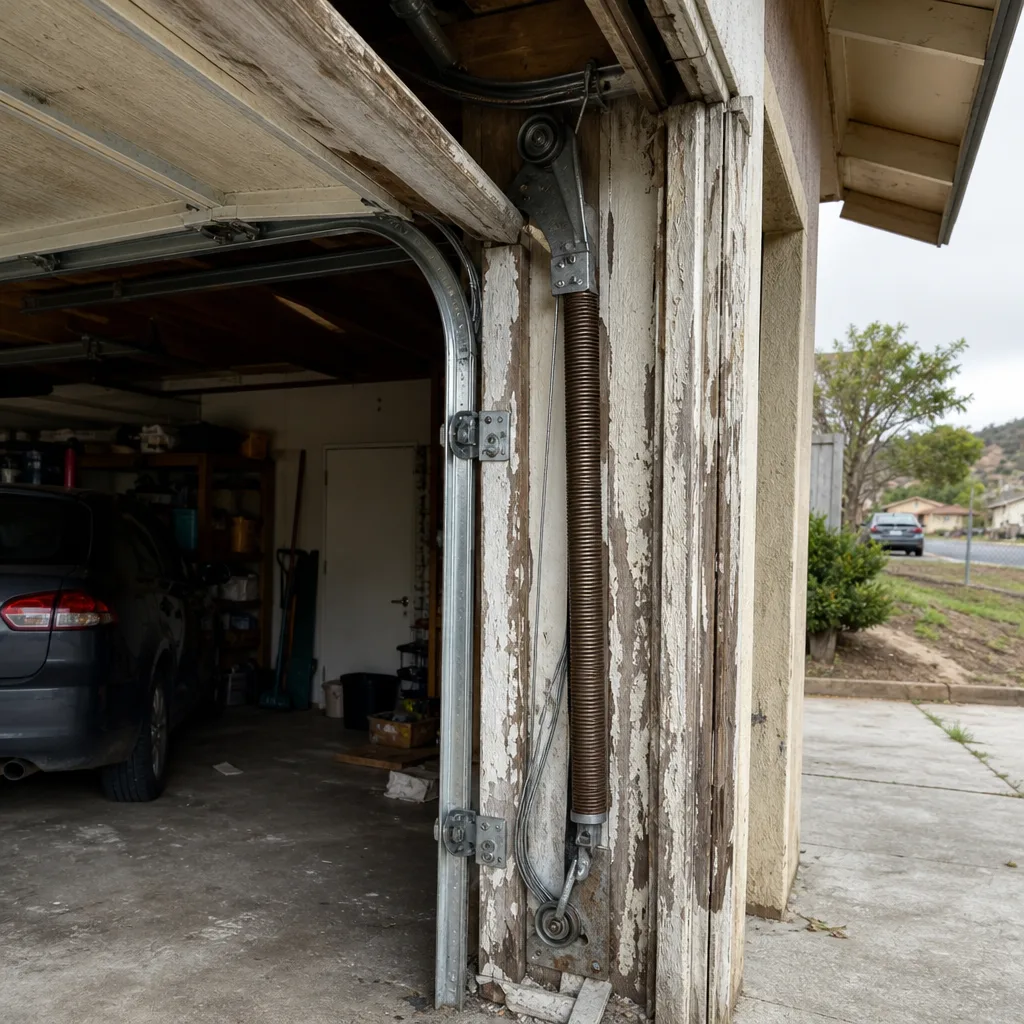 Before
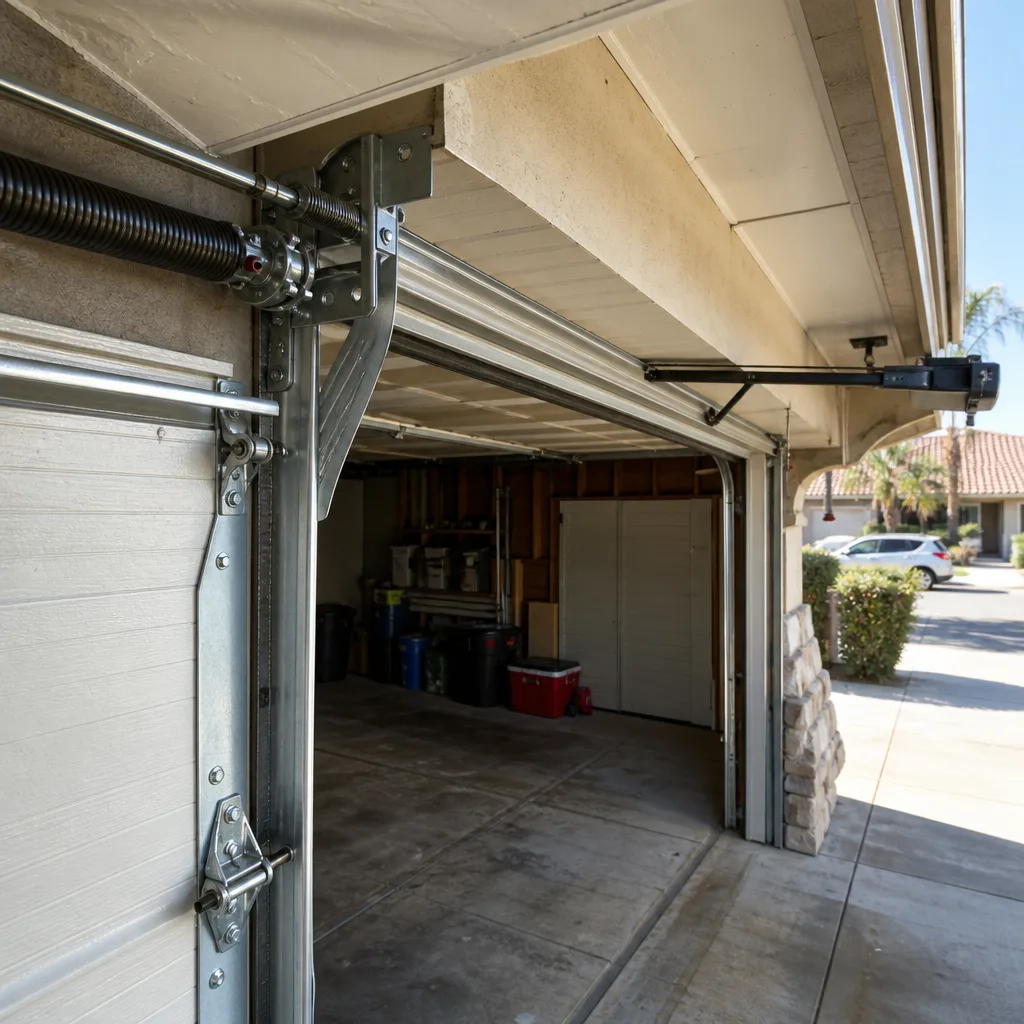 After
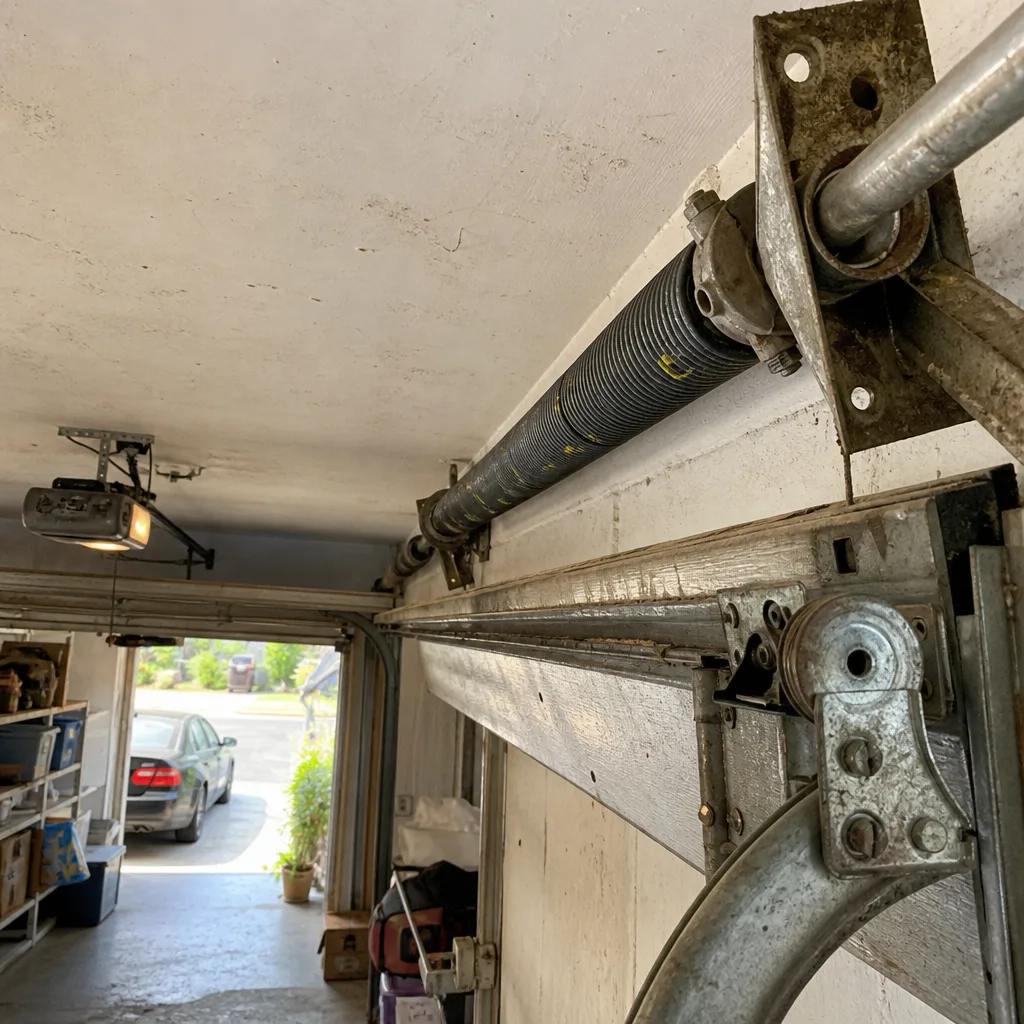 Before
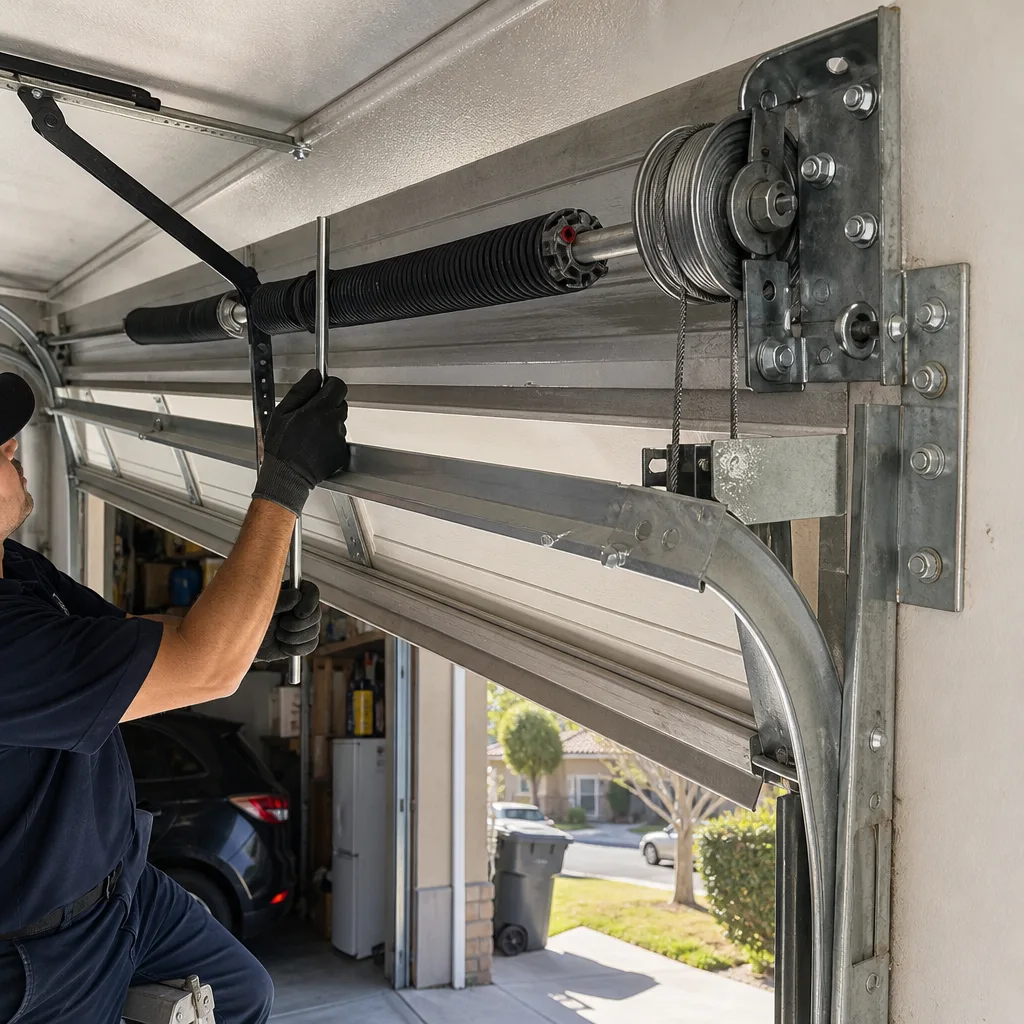 After
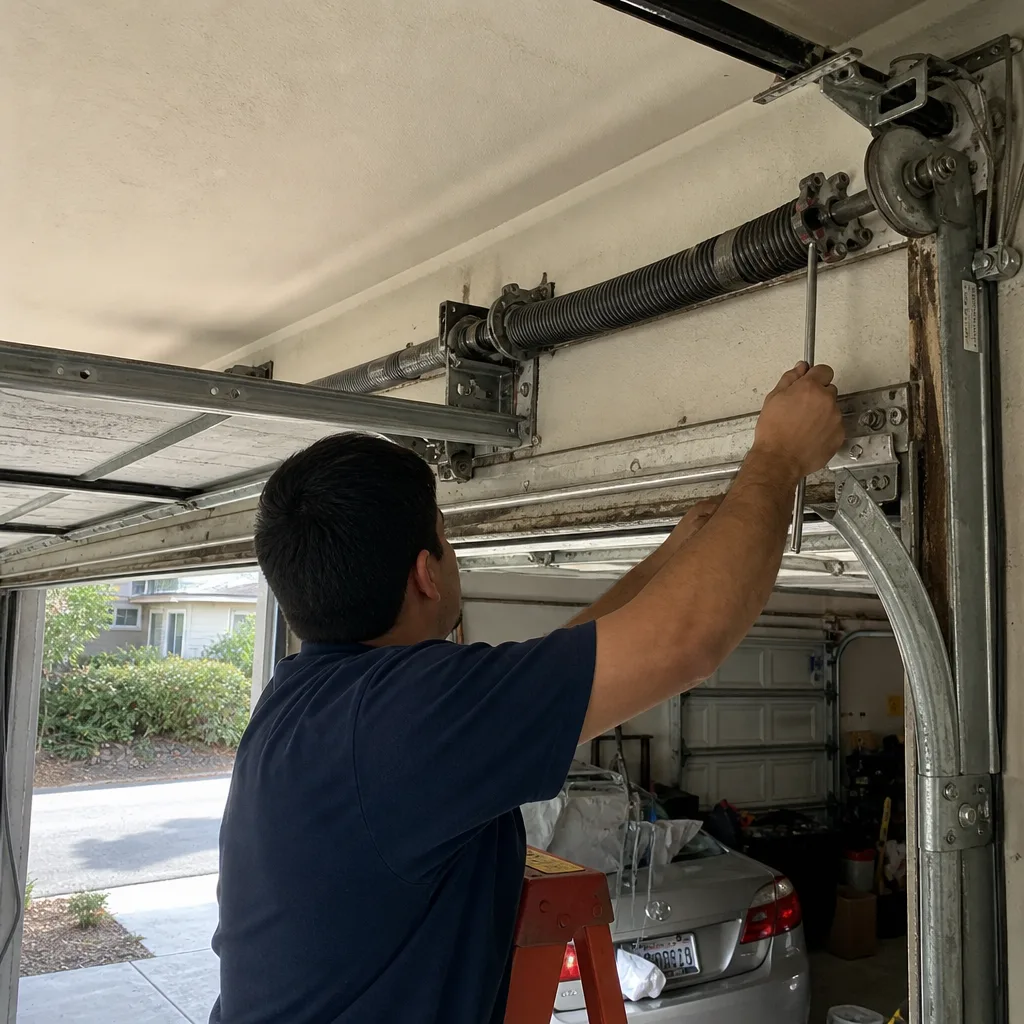 Before
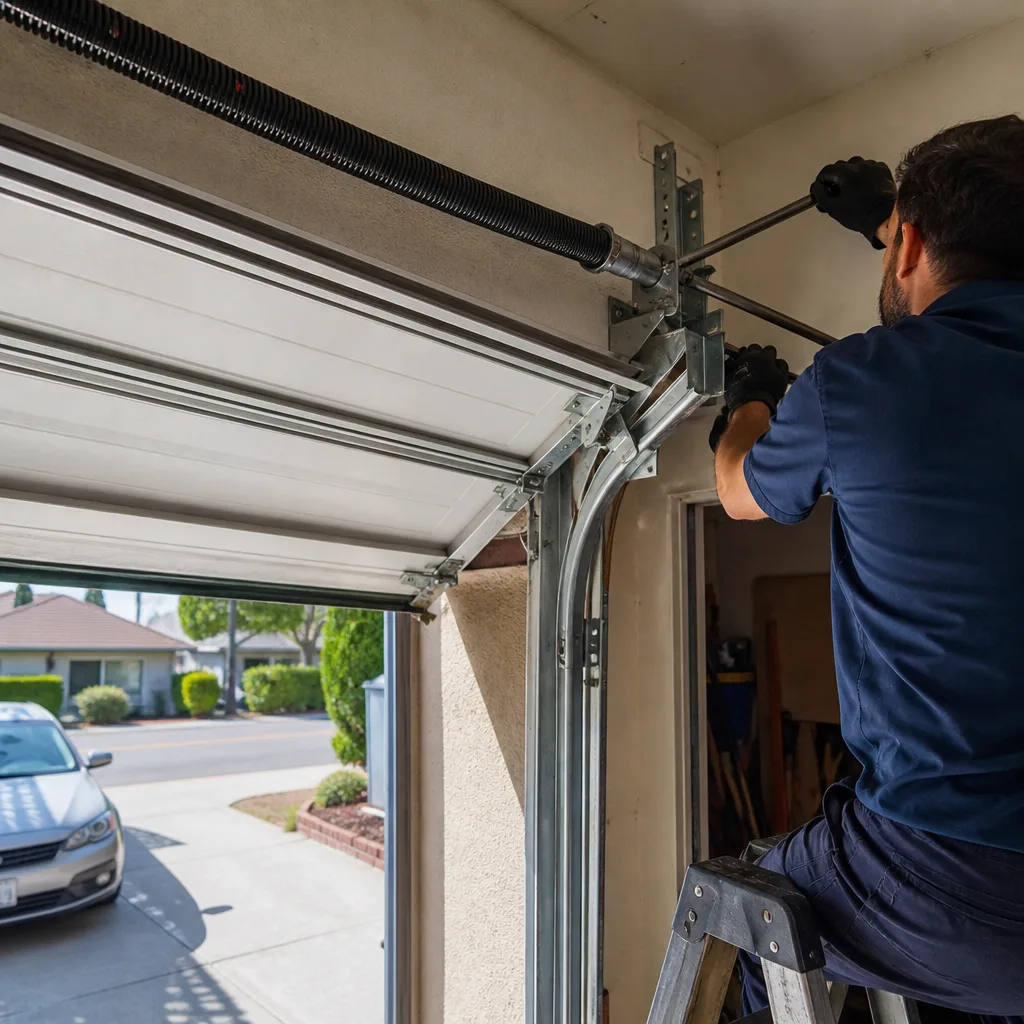 After