
Last updated October 31, 2026
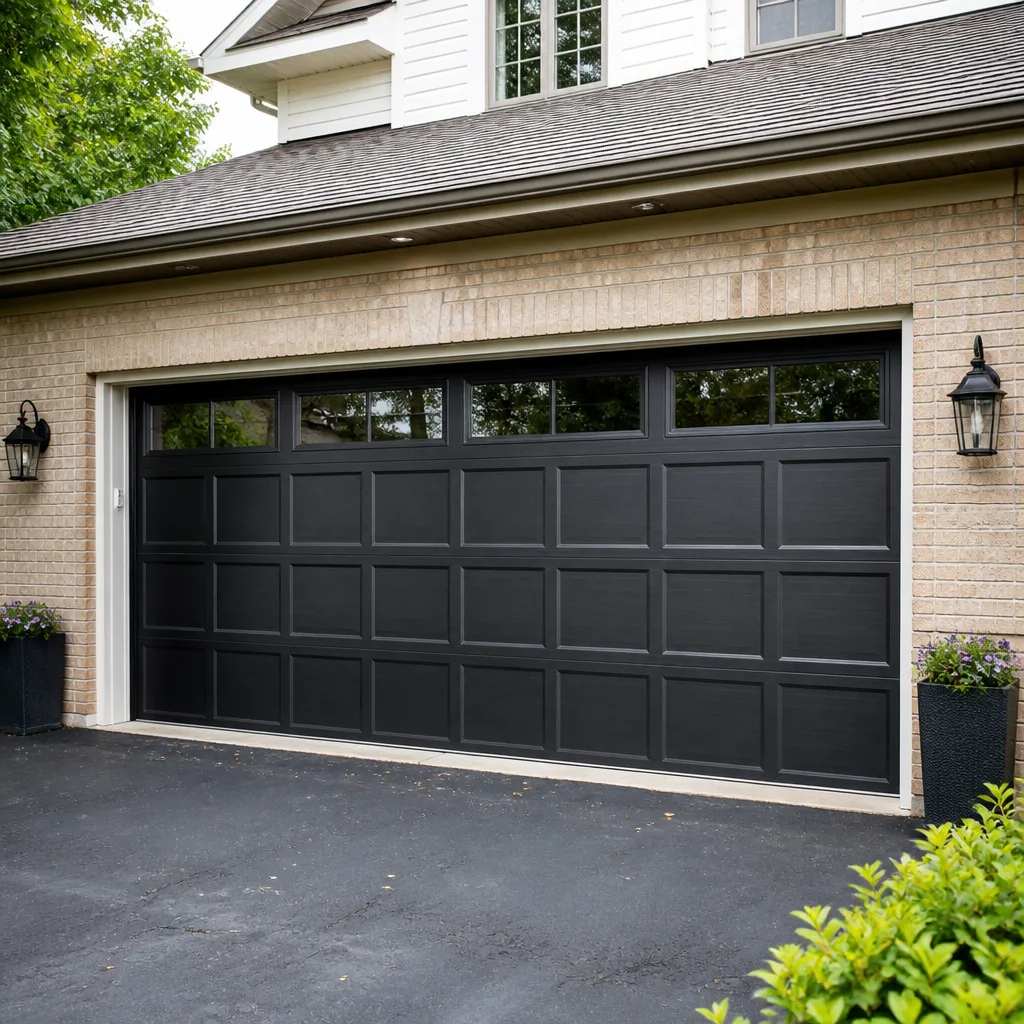 Raised-panel steel
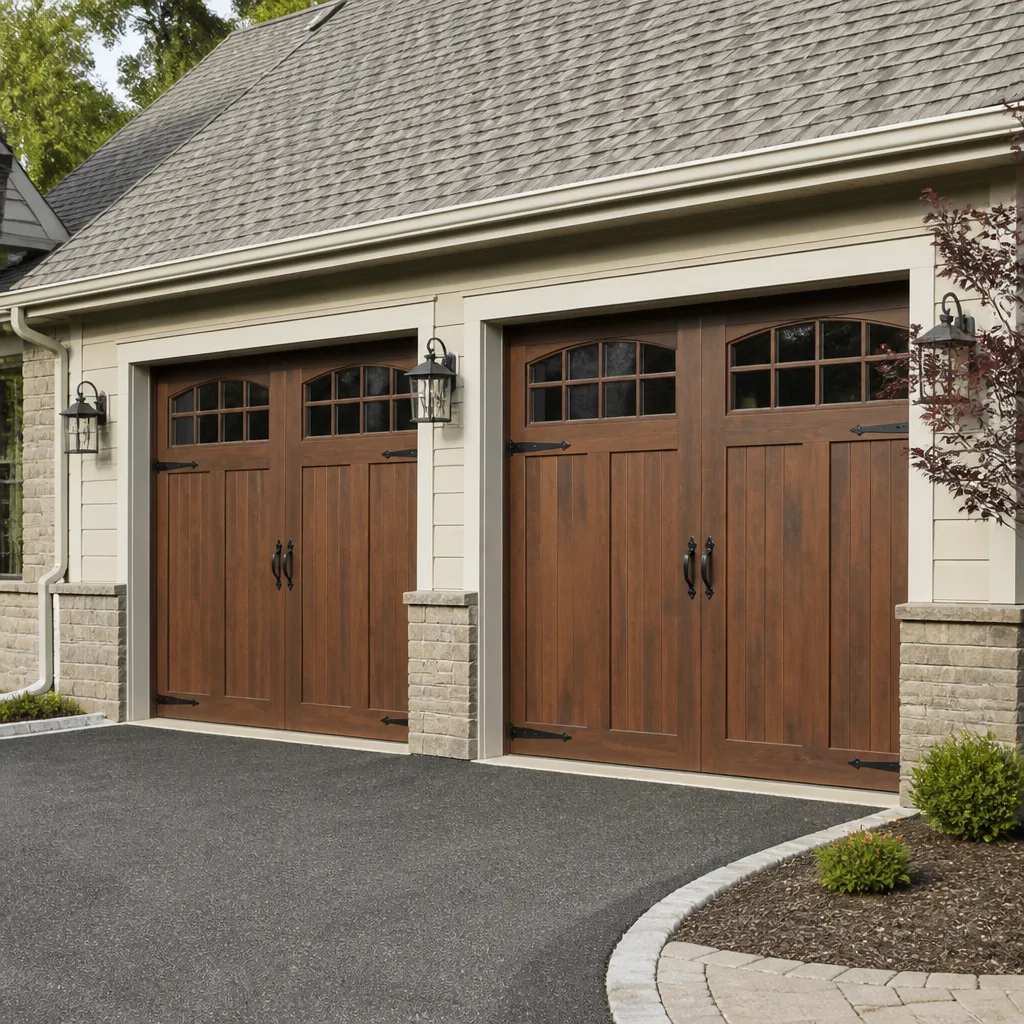 Carriage house
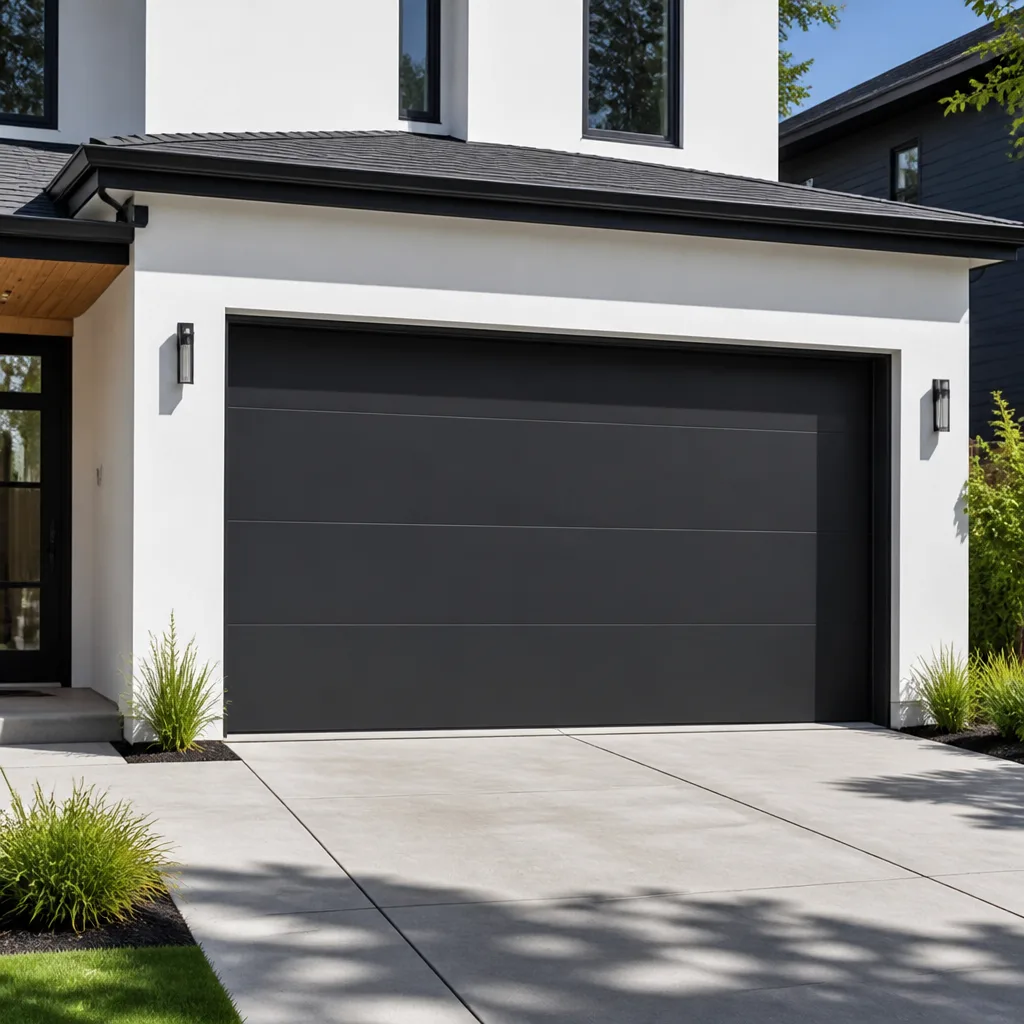 Modern flush
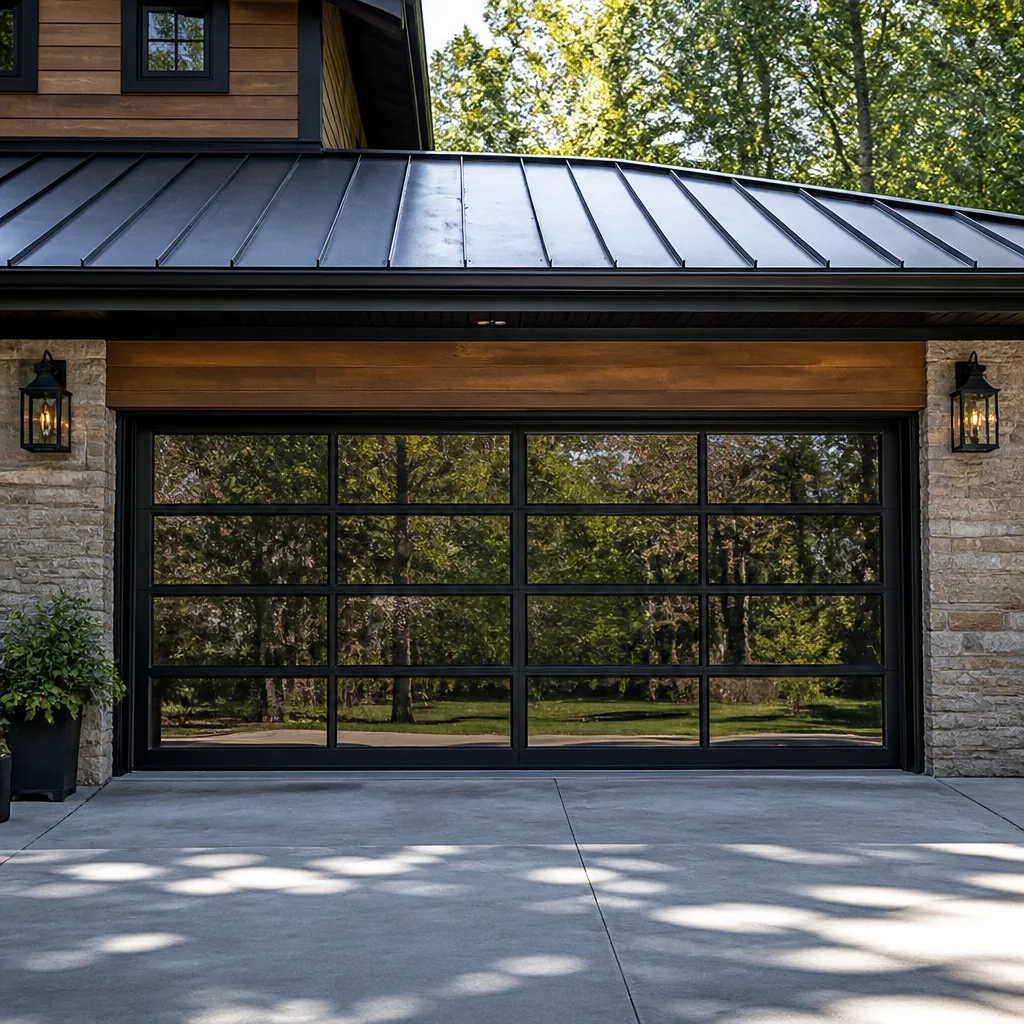 Full-view glass
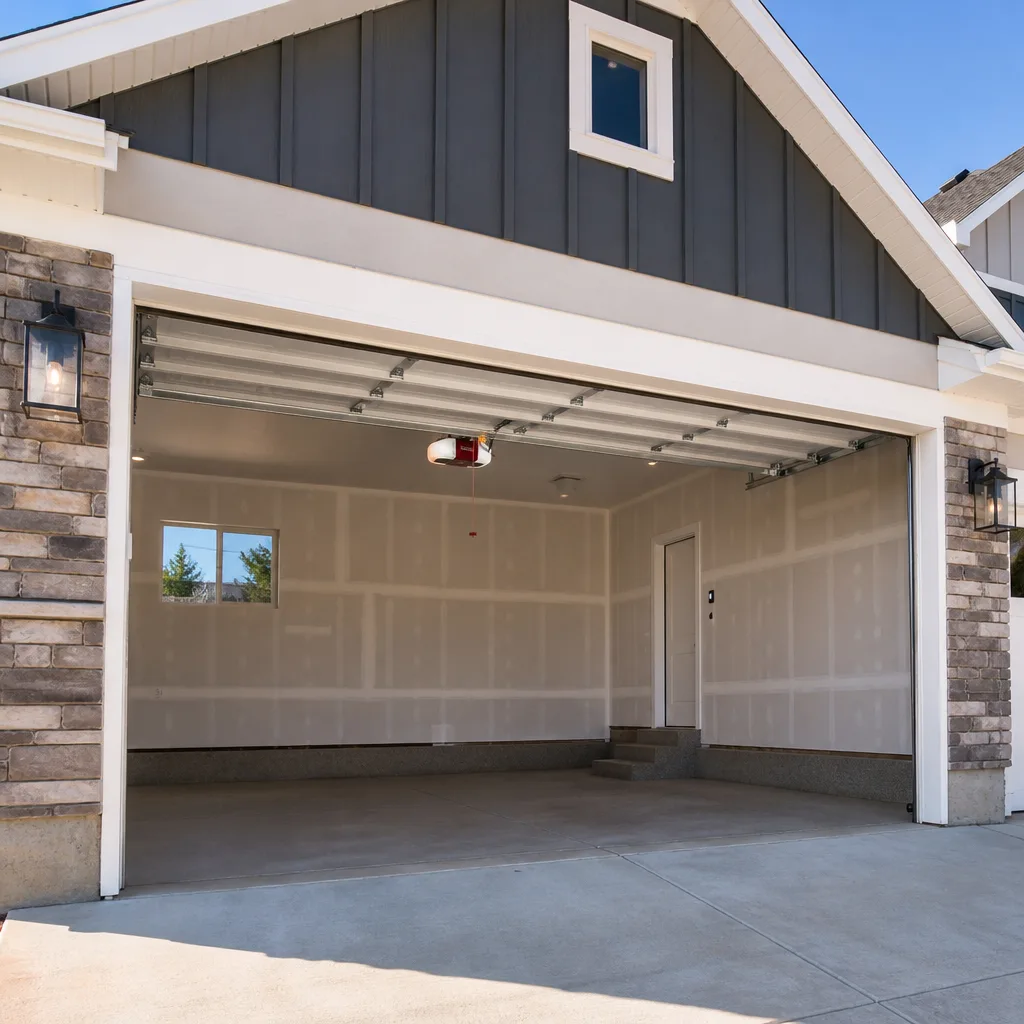 LiftMaster openers
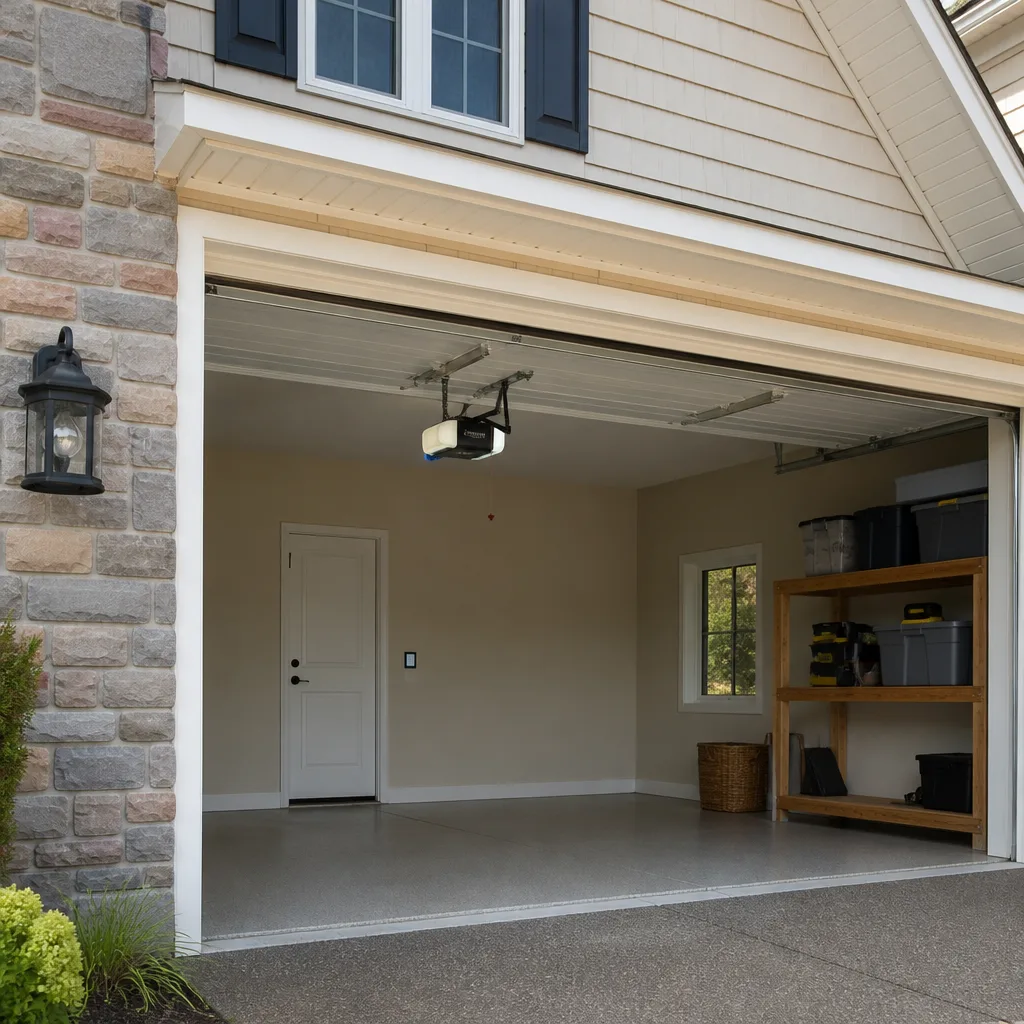 Chamberlain openers
Full 25-point door and opener safety check with every visit - springs, cables, rollers, tracks, and your LiftMaster or Chamberlain opener included
You get a price before we start. It does not change when the truck arrives.
Get your free estimateGarage Door Cost Breakdown: The Escondido Homeowner’s Reference for 2026
Most Escondido homeowners get three quotes for a garage door job and pick the middle one, assuming it’s the safe bet. That’s not wrong, but it’s also not a strategy. The real problem is that two quotes can arrive $400 apart for what looks like identical work, and nothing on either invoice explains why. By the time you’re reading a line item for “torsion conversion” or “high-cycle spring,” you’ve already lost the thread. This guide—along with our more guides & resources—puts the thread back in your hands. By the end, you’ll understand exactly where your money goes on any garage door repair or replacement in Escondido, what the fair market range is for 2026, and the five variables that actually move the number up or down.
Styles & brands we work with
Quick Answer
Garage door work in Escondido spans roughly $90 for a basic roller or sensor fix up to $4,000+ for a full custom door and opener installation. Most common repairs fall between $180 and $650. The spread is driven by five things: door size and weight, material type, spring configuration, opener horsepower, and parts availability for your specific brand. Anyone who quotes without asking which door and opener you have is guessing.
Table of Contents
- 2026 Component Cost Benchmarks for Escondido
- The Five Cost Variables Nobody Asks About
- Fair Labor Rates in San Diego County
- Warranty Terms Decoded: What You’re Actually Buying
- The Repair-to-Value Ratio: When to Fix vs. Replace
- What a New Opener Actually Costs in 2026
- Common Mistakes to Avoid
- When to Call a Professional
- Frequently Asked Questions
- The Bottom Line
2026 Component Cost Benchmarks for Escondido
Line-item pricing is where most homeowners get taken. A contractor says “spring replacement, $550” and you have no way to know if that’s fair or padded by $200. Here’s what we’re seeing across Escondido and north San Diego County in 2026, broken down by component. These are installed prices, including labor, for a standard 7-foot residential door unless noted otherwise.
Garage Door Spring Replacement
- Torsion spring (single): $180 – $340 installed. Torsion springs sit above the door on a shaft and are the modern standard. Most homes built after 2000 use this system.
- Torsion spring (double, both replaced): $280 – $520 installed. You should always replace both springs even if one hasn’t snapped. The other is the same age and has the same fatigue. A technician who quotes only the broken spring is either inexperienced or handing you a second service call.
- Extension spring (single, older doors): $140 – $260 installed. Found on doors from the 1970s through early 1990s. These run along the horizontal tracks on either side of the door.
- High-cycle spring upgrade: add $40 – $90 per spring. Standard springs are rated for roughly 10,000 open/close cycles. An upgraded spring handles 25,000 to 35,000. If you use your garage as a primary entry point or have a home gym in there, pay the upcharge.
Spring work is dangerous. Tension in a wound torsion spring can exceed 200 pounds per square inch, and the release of that energy is what turns a DIY spring swap into an emergency room visit in Escondido’s Palomar Medical Center. We’ll say it plainly: this is not a wrench job. A trained professional uses winding bars, not improvises with screwdrivers.
Garage Door Cable Replacement
- Single cable: $120 – $200 installed
- Both cables: $170 – $290 installed
Cables fail quietly. You’ll see fraying near the bottom bracket or hear a metallic scraping noise before anything breaks. In Escondido’s dry, sometimes dusty air, especially in east-side neighborhoods like Valley Center Road corridor or up in Hidden Meadows, cable wear from grit and infrequent lubrication is common. Cables always get replaced in pairs, same logic as springs.
Garage Door Roller Replacement
- Standard nylon rollers (10-panel door): $90 – $160 installed for the full set
- Premium sealed-bearing rollers: $130 – $210 installed for the full set
Nylon rollers are quieter and don’t need track lubrication. Steel rollers are cheaper upfront but transmit every vibration through the door. If your garage sits beneath a bedroom or home office, the sealed-bearing nylon upgrade is the best $50 you’ll spend on the whole assembly.
Garage Door Panel Replacement
- Single panel (standard raised steel): $180 – $380 installed
- Single panel (wood, textured, or custom color): $250 – $550 installed
Panel replacement only makes sense if the door is under 8 years old and the panel is a matchable style. Manufacturers update paint codes and stamping patterns every few years, so a 2016 Clopay door panel may not match a 2025 replacement. If you can’t get a color match, the quote for one panel becomes a quote for repainting the entire door, which changes the math entirely.
Complete Garage Door Opener Installation
- Chain-drive opener (1/2 HP), installed: $350 – $550
- Belt-drive opener (3/4 HP), installed: $420 – $650
- Belt-drive opener (1 HP+, Wi-Fi, battery backup), installed: $550 – $800
These ranges include labor, new mounting hardware, safety sensor alignment, and programming. Opener replacement is one of the most frequently underpriced jobs in this trade, because the opener itself is cheap and the labor to install it correctly, including replacing worn mounting brackets and setting travel limits properly, is not.
For a full breakdown of what’s involved in replacement, see our Garage Door Installation in Escondido page.
The Five Cost Variables Nobody Asks About
Here’s the section most pricing guides skip. When we quote a job, these are the five questions we ask before naming a number. If a company quotes you without asking about any of them, the number is a guess or a bait price. Either way, you’ll see the real invoice later.
1. Door Size and Weight
A standard single-car garage door is 8 or 9 feet wide and weighs 125 to 160 pounds. A double door runs 16 feet wide and weighs 250 to 350 pounds. But some Escondido homes, particularly older ranch styles in the downtown and south Escondido neighborhoods around Broadway, have 7-foot-tall doors with solid wood construction that tip the scales past 400 pounds. Wood doors require stiffer springs, higher-rated cables, and more labor to work. Heavier door, higher labor time, thicker components. It’s not a markup; it’s physics.
2. Material Type
Steel accounts for about 80% of doors we service in Escondido. It’s affordable, low-maintenance, and holds up fine in our climate. But wood, vinyl, and glass-and-aluminum doors all exist in our market, especially in gated communities along Lake Hodges and newer builds in Harmony Grove, and each carries its own repair economics.
Wood doors need seasonal maintenance in Escondido’s hot, dry summers, or stiles crack and sections warp. Vinyl doors fade differently on south-facing elevations, which gets more afternoon sun than most homeowners realize. Glass-and-aluminum doors, the modern look you see on newer builds, require specialty roller brackets that cost more than standard nylon guides. Material choice doesn’t just affect replacement cost; it affects repair part pricing.
3. Spring Configuration
Torsion springs (side-mounted, standard since roughly 2005) are more expensive to replace than extension springs, but last longer and fail less catastrophically. Extension spring conversions, moving from old extension setup to a torsion system, add $200 to $400 in labor and parts but genuinely improve safety and balance; check our Garage Door Permits, Codes & Inspections in CA: What You Need to Know if you’re upgrading an older system. We regularly recommend this to Escondido homeowners in pre-1990 homes because if an extension spring snaps, the door can drop without warning.
4. Opener Horsepower
This one surprises people. A 1/2 HP opener on a double steel door will burn out its gear in 5 to 7 years. A 3/4 HP unit on the same door runs 10 to 12. The price difference at installation is often under $80, but the underpowered unit means a second $500+ visit much sooner. Horsepower is not an upselling tool; it’s the difference between a door that glides and a door that strains, especially in the summer when garage temperatures in Escondido can exceed 110 degrees and cheap gear grease thins out.
5. Brand Parts Availability
This is where a dedicated garage door company separates from a handyman with a truck. A LiftMaster logic board ships in a day and costs $80 to $140. A Genie or Chamberlain control board also ships fast. But an out-of-production Raynor or Wayne Dalton board can take a week or require retrofit wiring. Same with springs: Amarr and Clopay use standardized spring sizes, but some Craftsman and older Raynor models use proprietary winding cones that must be ordered direct.
We keep our technicians factory-familiar across eight major brands, LiftMaster, Chamberlain, Genie, Clopay, Amarr, Wayne Dalton, Craftsman, and Raynor, so we know before arriving what’s standard and what’s special order. That knowledge keeps the quote honest. A generalist will discover the parts problem halfway through the job, by which point the door is in pieces and the price has changed. If you’re dealing with opener-specific issues, our Garage Door Opener Repair in Escondido page covers what’s repairable versus replaceable.
Fair Labor Rates in San Diego County
A legitimate garage door company in San Diego County charges between $95 and $150 per hour for residential work. That’s the range for licensed, insured, and experienced technicians. Anyone quoting significantly below $95 is either unlicensed, new to the trade, or making up the difference on parts markup.
Here’s how the parts-markup game works, and it’s worth understanding because it’s the single most common bait-and-switch in this industry. A company quotes $59 for a spring replacement. Great price. They arrive, inspect, and announce that your “cables are also compromised” at $220 each, your “track needs realignment” at $180, and your “safety sensors are outdated” at $150. The $59 spring is now an $800 invoice, and the spring work itself may not even be done correctly.
The honest quote model looks different. We quote the full scope before we start: spring cost, labor time, any secondary work we can see needs doing, and the total. We don’t discover surprises mid-job because we ask the five questions upfront. And you approve the exact number before a single panel is touched. If a quote won’t itemize, that’s not a discount, that’s an opening bid.
A reasonable labor-plus-parts breakdown for a standard double-spring replacement on a 16-foot door in Escondido looks like this:
- Springs (two, standard duty): $80 – $140 in parts
- Labor (1.5 to 2 hours at $95 – $130/hour): $145 – $260
- Service call and balance adjustment: $50 – $80
- Total reasonable range: $275 – $480
Anyone quoting under $200 for that job is losing money unless they’re cutting a corner. Anyone quoting over $600 without a specific reason (custom door, high-cycle springs, urgent weekend call) is padding. The middle range is where honest pricing lives.
Warranty Terms Decoded: What You’re Actually Buying
Warranty language on garage door work is vague by design, and the differences between a good warranty and a worthless one come down to three things: duration, coverage scope, and who does the labor.
Parts Warranty vs. Labor Warranty
Almost every reputable company offers some parts warranty. One year is standard. But the labor component is the part that costs you money. If a spring fails at month 11, the part is free, but a company with no labor warranty bills you $150 to install it. A company with a true warranty covers the labor too. Ask the question directly: “If this part fails in month 11, do I pay anything?” If the answer is anything other than “no,” that’s not a warranty, that’s a discount coupon on a future problem.
Lifetime Spring Warranty: What It Actually Means
“Lifetime warranty” on springs sounds great. The fine print is the spring type. A lifetime warranty on standard-duty springs usually means the spring is rated for a shorter fatigue life, and the warranty replaces it once, then expires. A lifetime warranty on high-cycle springs is genuinely superior: those springs are rated for 25,000+ cycles, and if one fails within the stated life, the replacement is free, parts and labor.
Springs don’t “fail” in the warranty sense from a manufacturing defect. They fail from cyclic fatigue, which is inevitable. So a lifetime warranty on a standard spring is a misnomer, the spring’s useful life is the warranty period. A high-cycle spring with a true lifetime labor warranty is worth the extra $60 to $90 upfront.
Opener Warranties
Opener warranties are set by the manufacturer: LiftMaster offers 5-year parts on motors, Genie and Chamberlain vary by model, and most include a lifetime warranty on the belt for belt-drive units. The installer’s role is to register the product and handle the warranty claim. If your installer doesn’t register it, the warranty start date may default to the manufacture date, which could be months before your purchase. Ask for proof of registration before you sign the completion form.
The Repair-to-Value Ratio: When to Fix vs. Replace
Experienced technicians run a quiet calculation on every door they inspect, and it’s not complicated. It’s a version of the same logic you’d use for a car. If the repair cost exceeds roughly 50% of the door’s remaining replacement value, replacing starts to make more economic sense.
Here’s the framework in practice:
- Door age under 8 years: Repair almost always wins. Panels are still matchable, hardware is current, and the door has at least a decade of serviceable life left.
- Door age 8 to 15 years: Repair if the quote is under $350 and the door is otherwise balanced. Replace if the door needs a new opener, two springs, and a panel simultaneously, that’s a $700+ repair on a door with 4 to 6 years of life remaining.
- Door age over 15 years: Replace unless the repair is under $200. At this age, you’re likely living with original rollers, fatigued hinges, and a door that’s drifted out of plumb. Pouring money into individual components is borrowing against an inevitable purchase.
One Escondido-specific factor: our climate is kind to steel doors but hard on anything with moving parts. Dry, hot summers mean lubricant evaporates from tracks and hinges faster than in coastal areas like Carlsbad or Encinitas. A 12-year-old door in Escondido has endured more thermal stress on its springs and more dust ingress into its rollers than the same door in a coastal neighborhood. Adjust your replacement math accordingly.
If the door has any structural compromise, a bent track, a cracked bottom section, a frayed cable, the safety risk overrides the math. Repairing a structurally compromised panel while ignoring a fatigued spring is like patching a tire with a bent rim. The door will fail again, and when it does, it may not fail gently. See our Garage Door Repair in Escondido page for how we diagnose these cases.
What a New Opener Actually Costs in 2026
The opener is the most misunderstood component in the overhead door system, and the pricing gap between a decent installation and a cheap one is wider than most homeowners realize. The opener itself is a commodity; the installation is not.
Here’s what a fair opener installation in Escondido includes, and what the price breakdown looks like:
- Opener unit (retail): $160 – $320 for a belt-drive model from LiftMaster or Chamberlain
- Mounting hardware and bracket replacement: $25 – $60. Old brackets are often rusted or misaligned.
- Safety sensor alignment and testing: $30 – $60. This is mandatory, not optional. Sensors prevent the door from closing on a child or pet.
- Travel limit and force setting calibration: $30 – $50. If this is off, the door reverses mid-close or strains the motor.
- Wiring and controller programming: $25 – $45. Includes remotes, keypads, and vehicle HomeLink if applicable.
- Labor (2 to 3 hours): $190 – $350 depending on complexity
Total reasonable installed price: $450 – $825 for a belt-drive model depending on horsepower and features.
A chain-drive opener installation should run $350 to $550. A high-end unit with battery backup, Wi-Fi connectivity, and a camera runs $600 to $900 installed. The battery backup matters in Escondido, especially during Santa Ana wind events when power outages spike, and a Wi-Fi unit lets you check door status from anywhere.
We’ve seen $199 “opener special” ads in the San Diego market. That price covers a chain-drive opener with no hardware replacement, no sensor recalibration, and no programming of your vehicles. The real total, once the required additions are applied, lands within $50 of an honest upfront quote, except now you’ve discovered the number after the technician has already arrived. Quote the full scope before scheduling. It takes longer to write, and it’s the only honest way to price this work.
Common Mistakes to Avoid
- Accepting a quote without itemization. A single line “spring replacement, $550” gives you zero ability to compare against another bid. Demand a parts-and-labor breakdown. A legitimate company provides one without hesitation.
- Replacing only the broken spring. Spring failure is cyclic fatigue, not a random event. The other spring is the same age, same cycle count, and same metal fatigue. Replacing one means a second service call and a second trip charge within months. Always do both.
- Buying the cheapest opener with a double door. A 1/2 HP opener on a 16-foot door is a deliberate misapplication. It will struggle in Escondido’s summer heat when the grease thins, and its gear will strip years early. Match horsepower to door weight, not sale sticker.
- Ignoring lubrication because “the door still works.” An unlubricated door in Escondido’s dry climate wears rollers and hinges 2 to 3 times faster than a lubricated one. You’ll hear grinding first, then you’ll feel vibration, then you’ll pay for a full roller set and possibly hinge replacement. A $20 can of garage door lubricant annually prevents hundreds in repair.
- Treating the garage door as a handyman job. A garage door is a 300-pound counterweighted machine under high spring tension. A handyman who “does doors on the side” may fix the symptom, but he won’t calibrate balance, set proper travel limits, or assess the full system. You’ll pay twice.
- Assuming all brands price the same. A Clopay panel and an Amarr panel don’t cost the same, and a Wayne Dalton spring isn’t interchangeable with a Raynor spring. Brand-fluent technicians know the actual parts costs for every major manufacturer, which keeps the quote accurate before work starts.
When to Call a Professional
Some garage door work is genuinely straightforward. Tightening loose hinge bolts, applying lubricant to rollers and springs, and testing the safety sensor are all within reach of a capable homeowner. But the moment you’re working with torsion springs, cables, or opener logic boards, the risk calculation changes.
Call a professional when: a spring has snapped or is visibly stretched; the cable is frayed or has jumped the drum; the door is off-balance and won’t hold position when stopped halfway; the opener makes a grinding noise but the chain or belt isn’t moving; or any repair requires removing the bottom bracket with the door under tension. These are not challenge points for a Sunday afternoon. They’re the moments when the energy stored in a garage door system can do real damage.
Ironside Garage Door Repair home offers free estimates throughout Escondido. Call (855) 341-7752 and we’ll give you a straight diagnosis and an itemized number before any work starts.
Frequently Asked Questions
Most garage door repairs in Escondido fall between $180 and $650 in 2026, depending on the component. A single torsion spring runs $180 to $340 installed, a full cable replacement runs $170 to $290, and a complete roller set replacement runs $90 to $210. The wide range comes from door size, material, and spring configuration, not arbitrary markup. Call (855) 341-7752 for an exact quote on your specific door, estimates are free.
A fair hourly rate for licensed, insured garage door work in San Diego County is $95 to $150. Rates below $95 usually mean unlicensed labor or a parts-markup model that inflates the final invoice. Rates above $150 should come with a specific explanation, like emergency after-hours service or specialized commercial work.
Yes, if they’re actually familiar with the brand. Doors from Clopay, Amarr, Wayne Dalton, Raynor, and Craftsman all use different spring specifications, panel stamping, and hardware. A dedicated garage door company with factory-level brand knowledge can quote accurately before the job starts. A generalist will likely discover compatibility issues mid-repair, which changes the price after the fact.
Standard springs last 7 to 10 years or roughly 10,000 open/close cycles. In Escondido’s dry, hot summers, the thermal expansion and contraction of the spring steel accelerates fatigue slightly compared to coastal areas. Households that use the garage as a primary entry point may cycle the door 4 to 6 times daily, which means standard springs can wear out in as little as 5 years.
At 15 years old, replace unless the total repair bill is under $200. The door has exhausted most of its designed service life, and repairs at that age tend to cascade: a spring replacement reveals a cracked panel, which reveals a rusted bottom bracket, and suddenly you’ve spent $800 on a door with 4 years remaining. A new door with a new opener is often within $1,500 to $2,500 of continued patch repairs, and it comes with fresh warranties and current safety features.
Yes, Ironside Garage Door Repair offers free estimates throughout Escondido, including neighborhoods like Harmony Grove, Hidden Meadows, and the country club corridor. Call (855) 341-7752 and we’ll inspect the door, diagnose the issue, and provide an itemized quote before any work begins.
The Bottom Line
Garage door pricing in Escondido is predictable once you understand the five variables: door size and weight, material type, spring configuration, opener horsepower, and brand parts availability. The honest price range for most repairs is $180 to $650, with full installations running from $900 to $4,000+ depending on scope. The cheapest quote is often the most expensive choice, because it’s missing the labor, hardware, or warranty terms that the mid-range quote includes by default. Ask for itemized pricing. Ask about labor warranty. Ask which brand they know best. A company that answers those questions directly is the one that won’t surprise you on the final invoice.
Written by the team at Ironside Garage Door Repair, serving Escondido since 2016.
See the difference
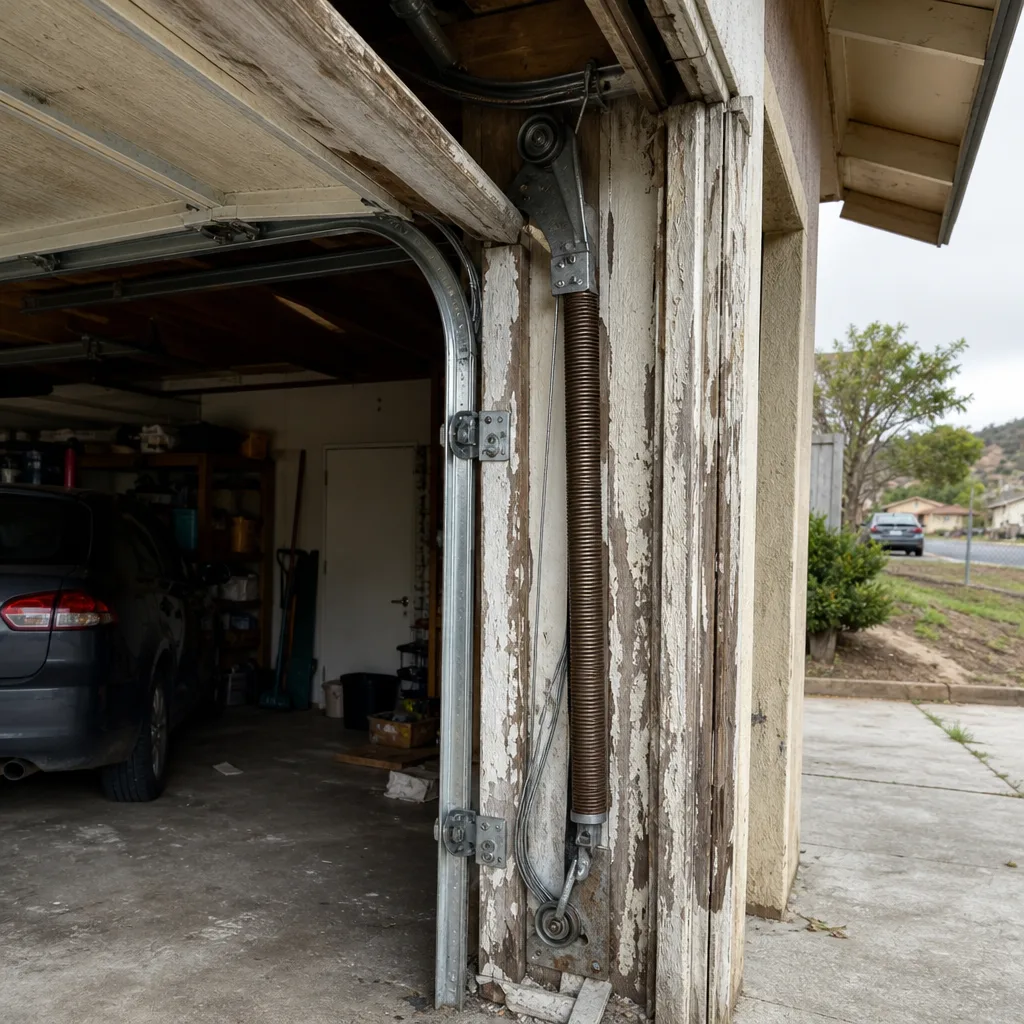 Before
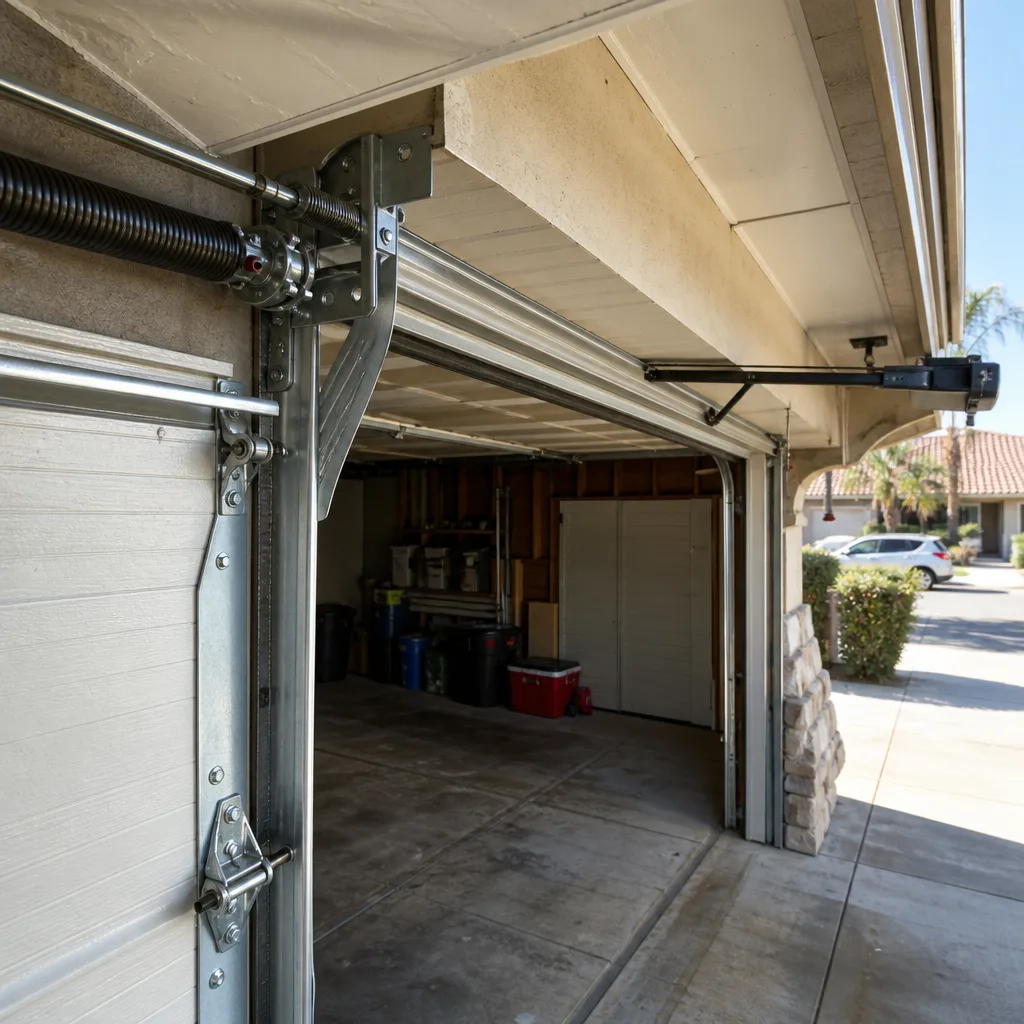 After
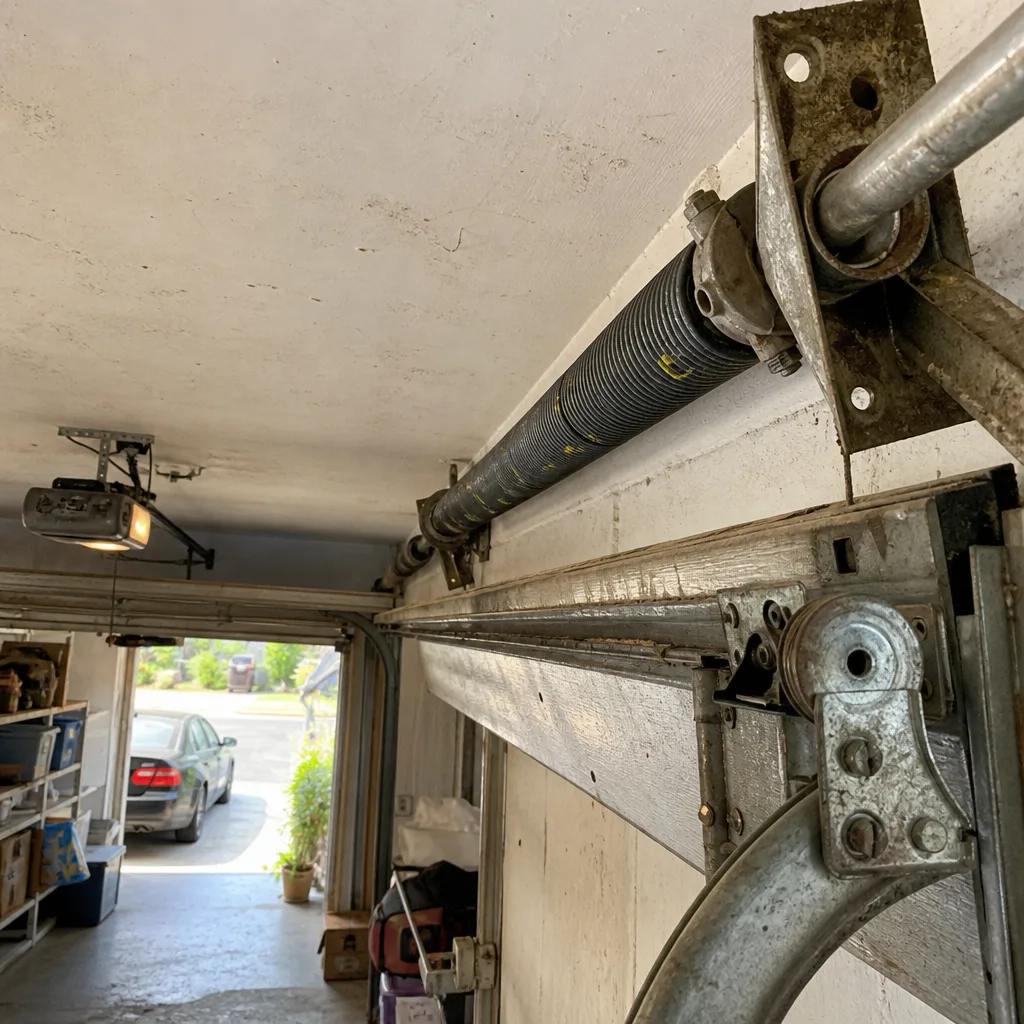 Before
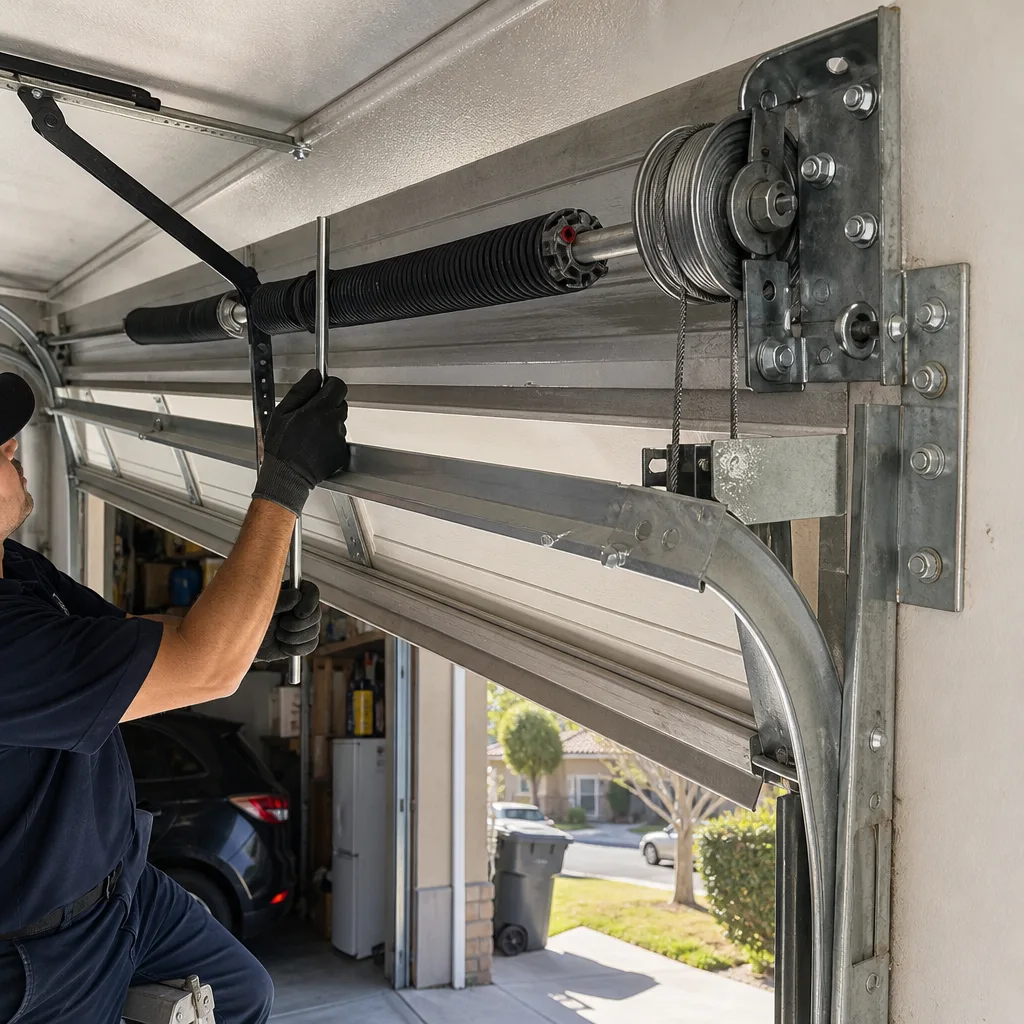 After
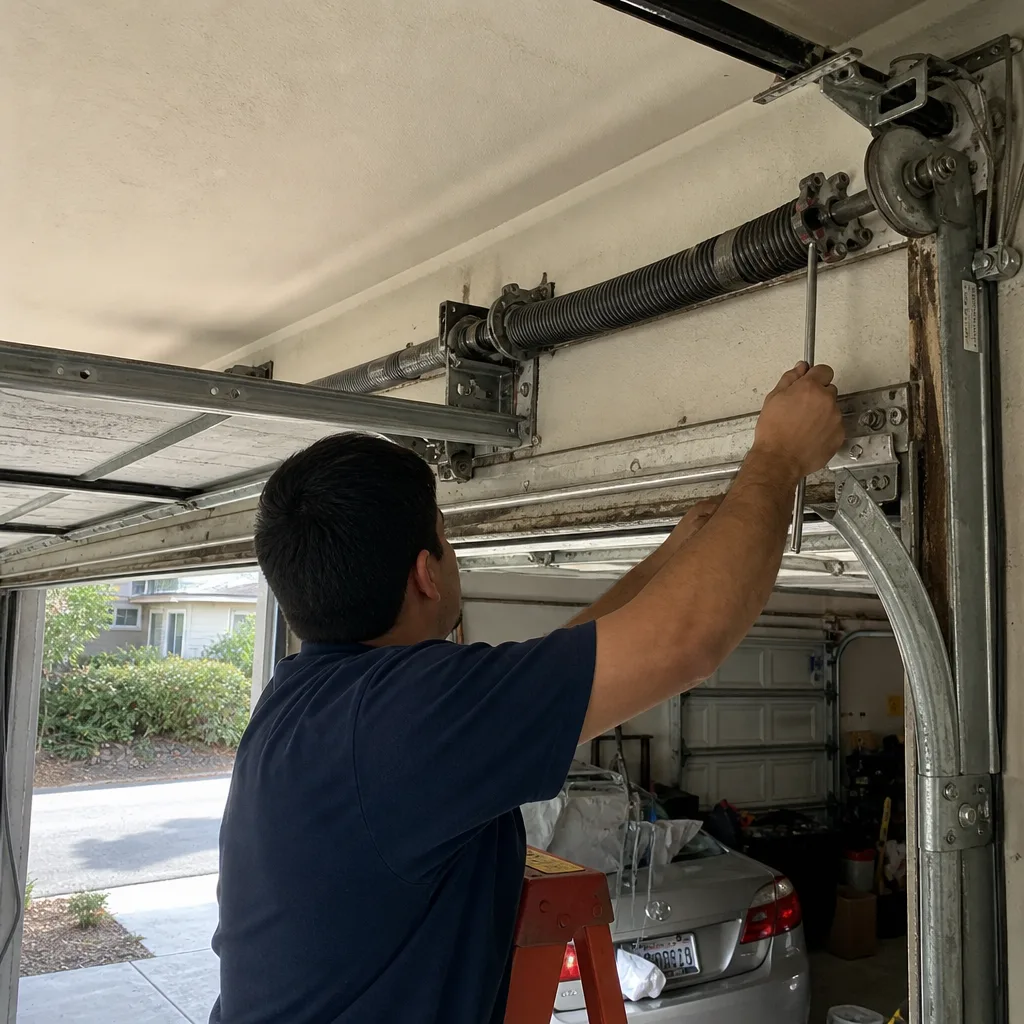 Before
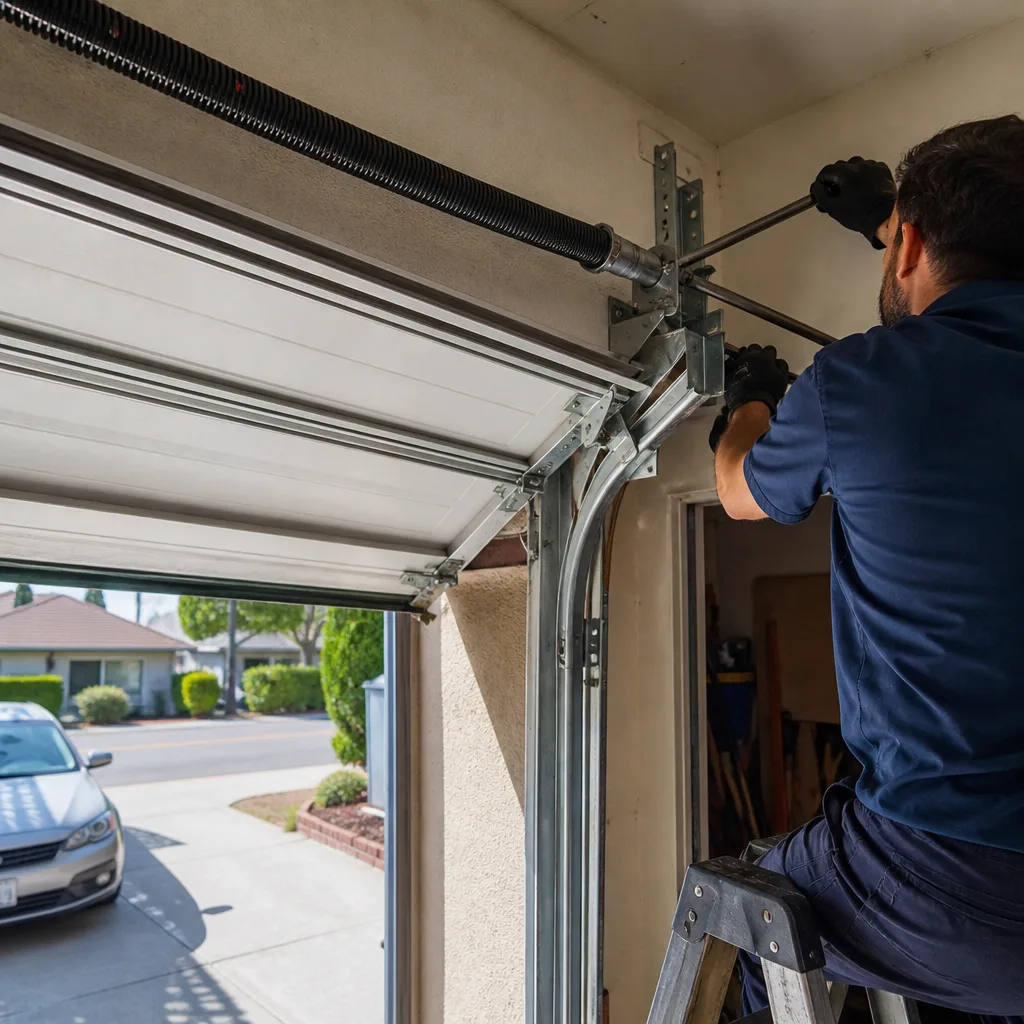 After