
Last updated October 31, 2026
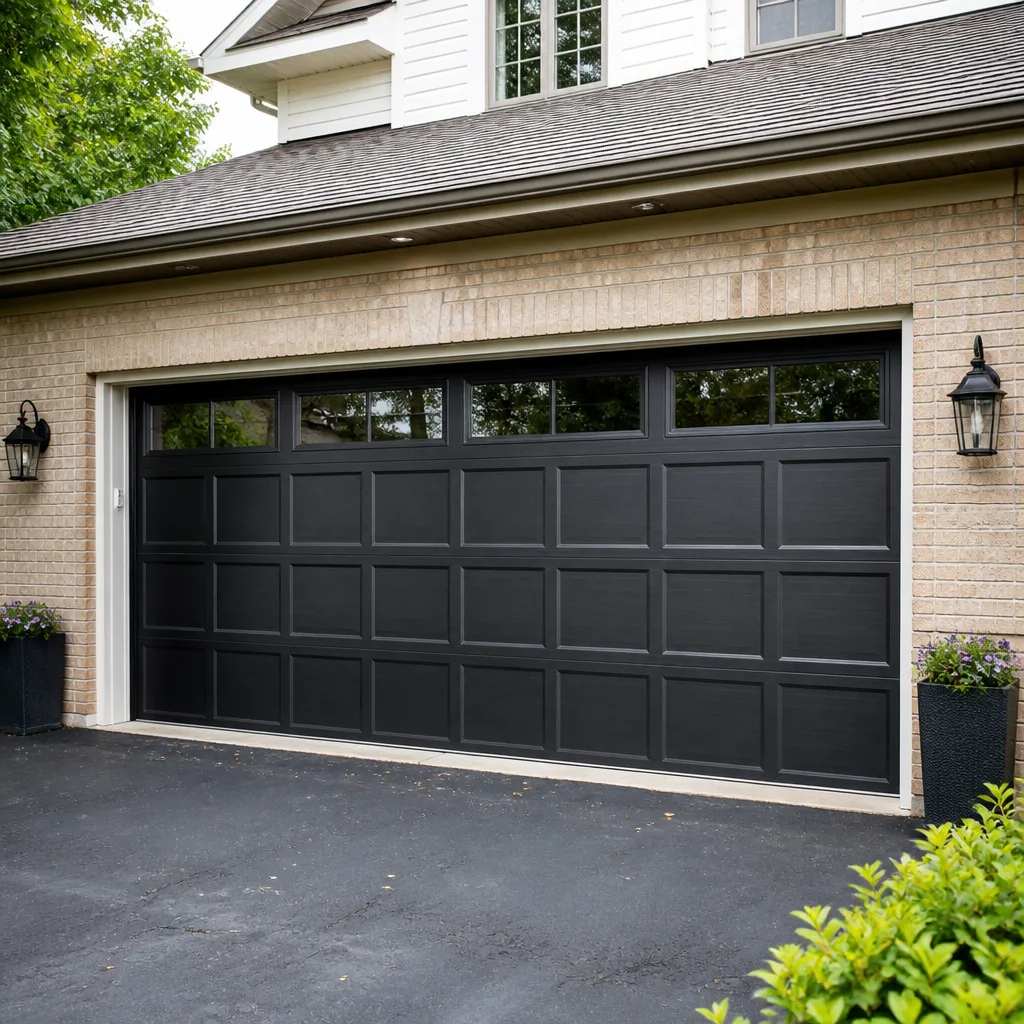 Raised-panel steel
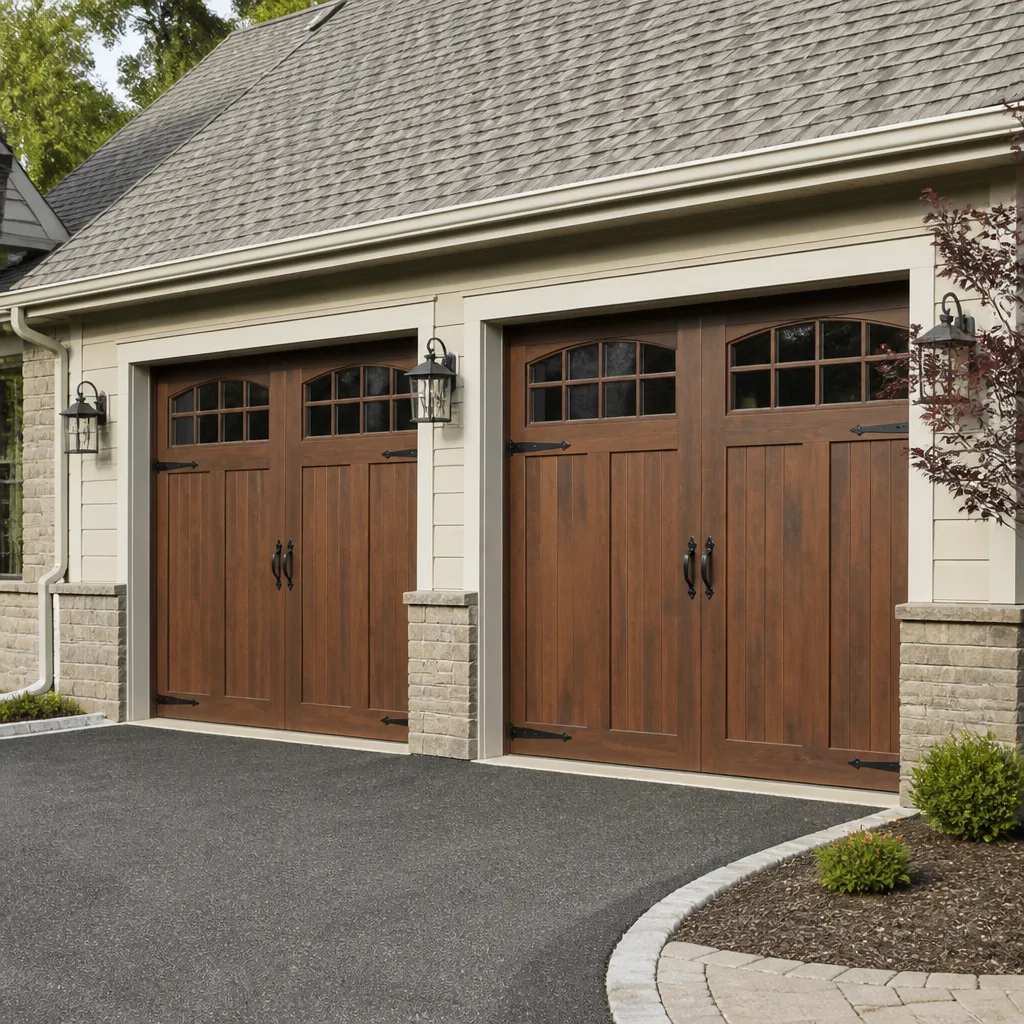 Carriage house
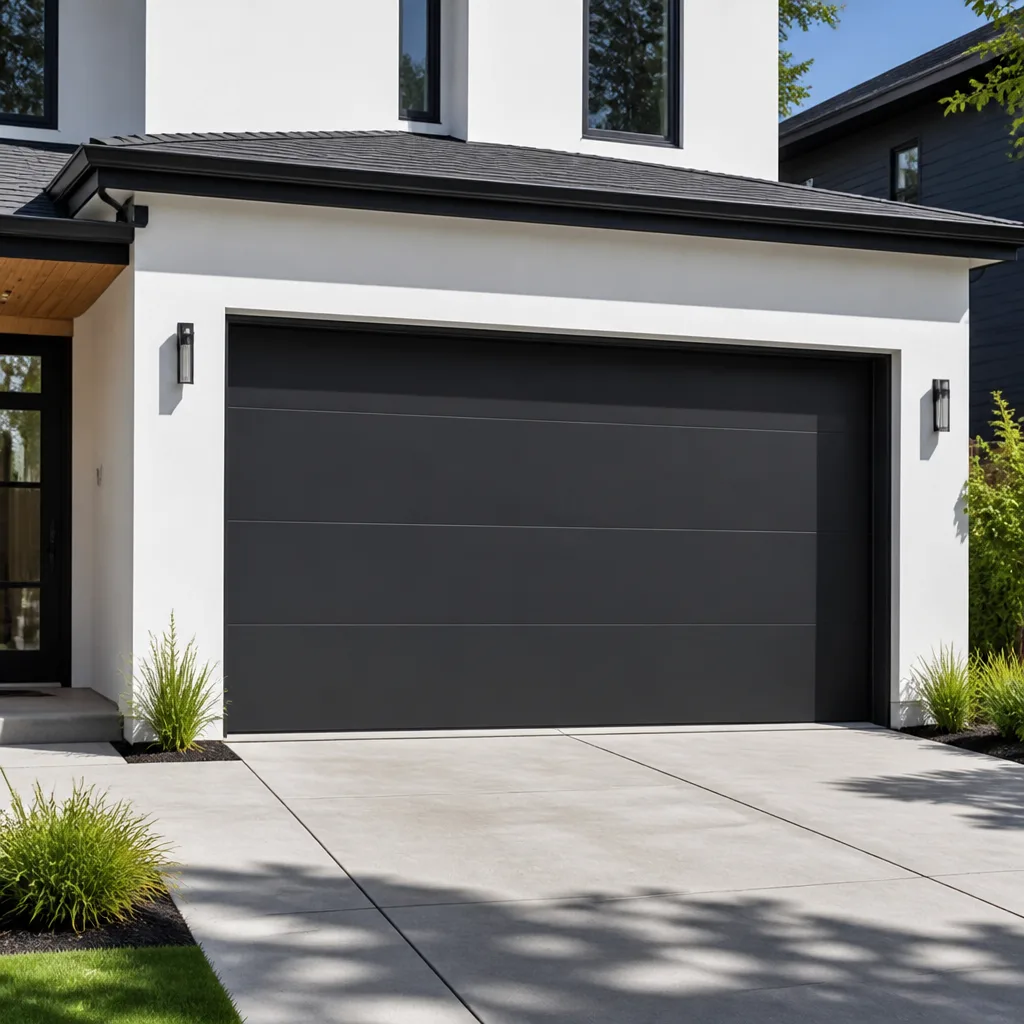 Modern flush
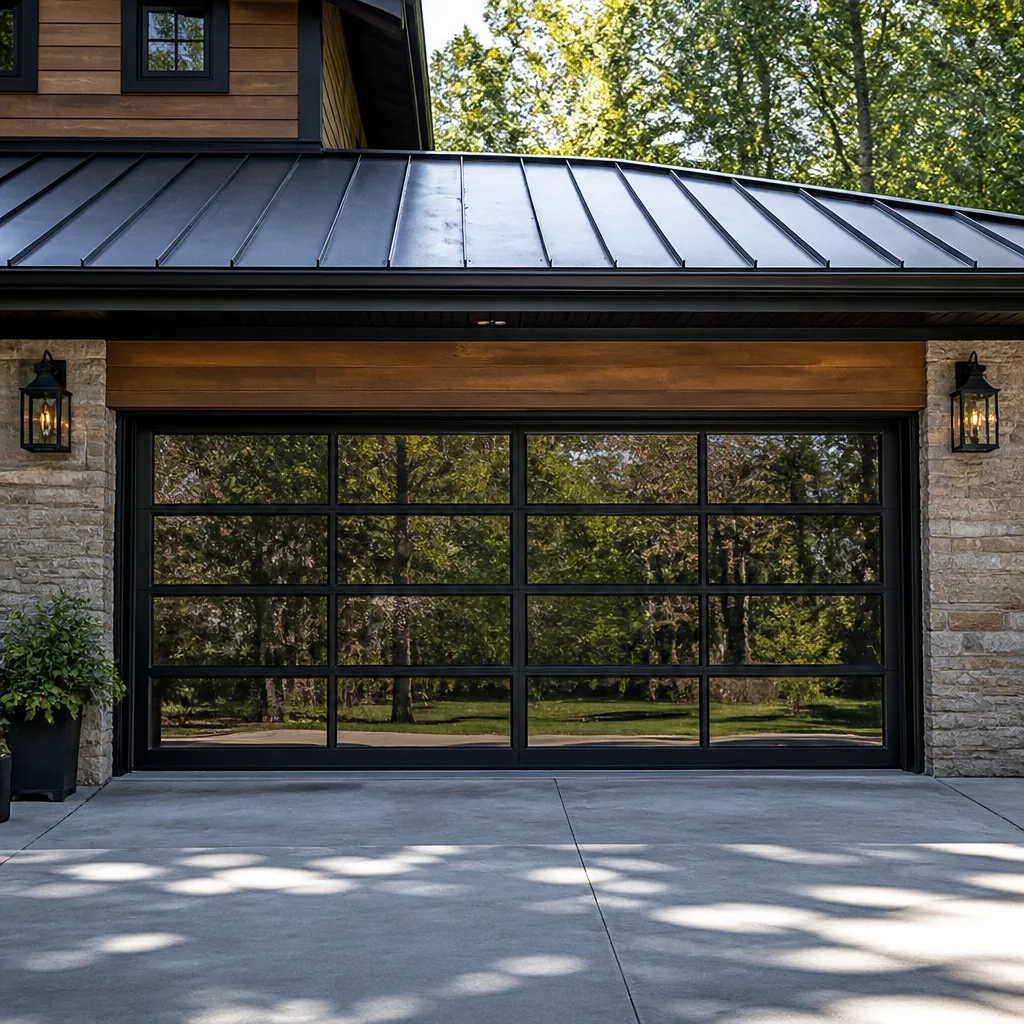 Full-view glass
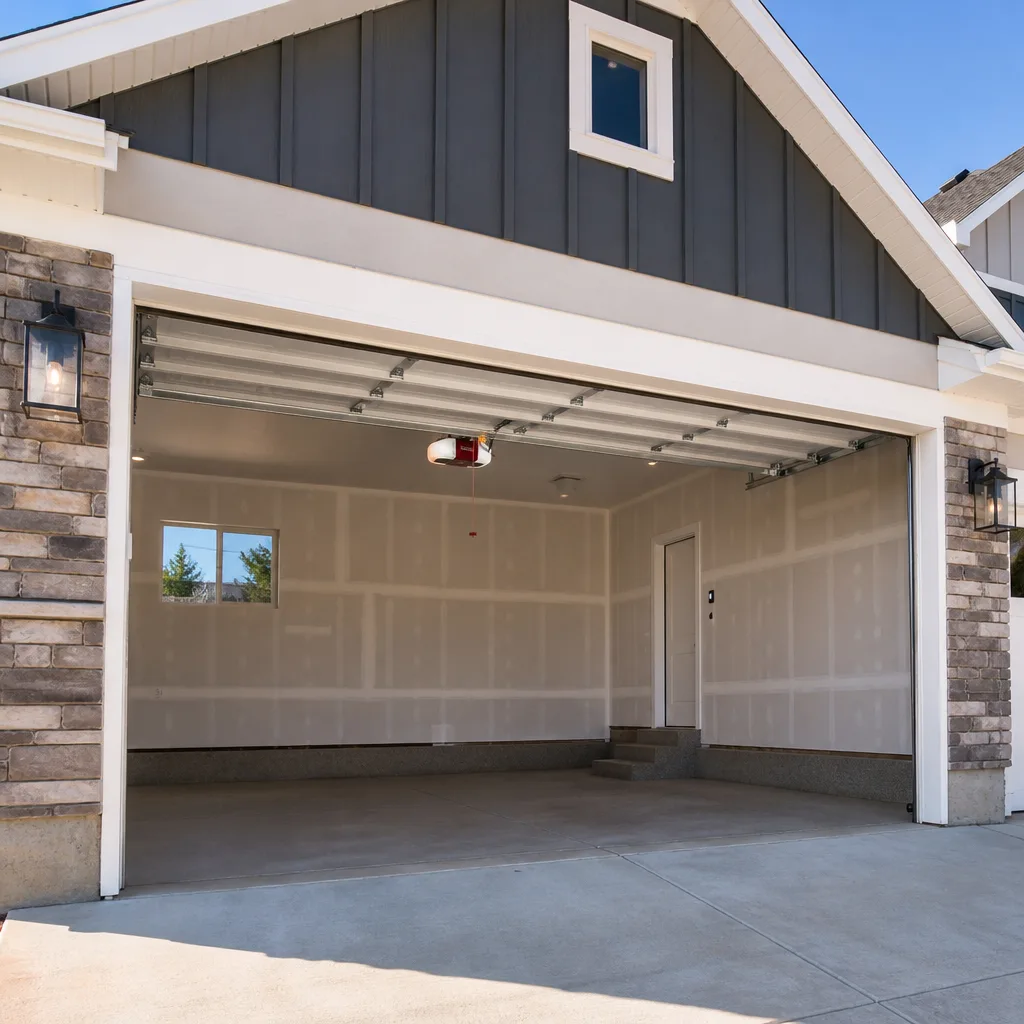 LiftMaster openers
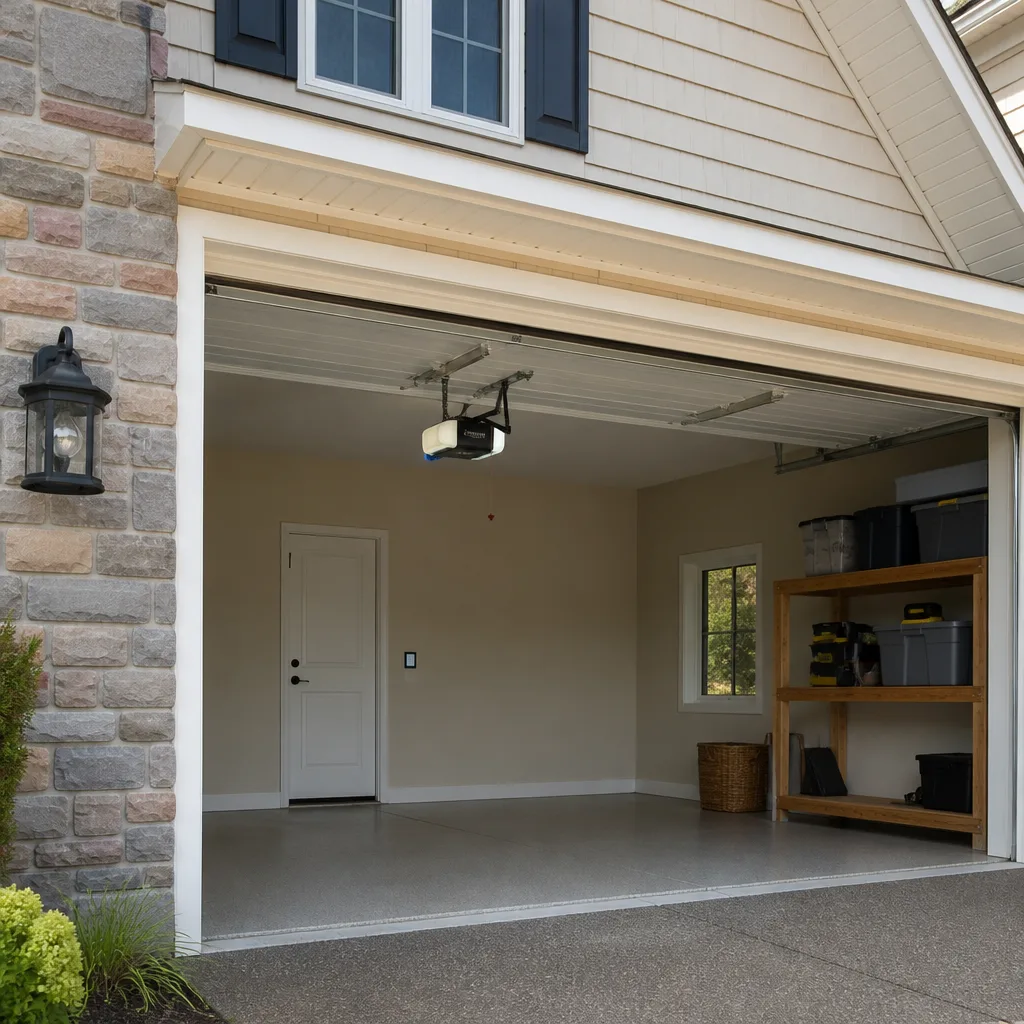 Chamberlain openers
Full 25-point door and opener safety check with every visit - springs, cables, rollers, tracks, and your LiftMaster or Chamberlain opener included
You get a price before we start. It does not change when the truck arrives.
Get your free estimateThe Complete Guide to Garage Door in Escondido
Your garage door has more moving parts than your HVAC system, yet most Escondido homeowners can’t name three of them. That knowledge gap is exactly what turns a worn cable into a full panel replacement, or a $12 roller into a bent track that costs hundreds. This guide maps every component, its typical lifespan under inland North County heat cycles, and the decision logic a technician uses to diagnose problems fast. For related reading, see our Garage Door Emergency Preparedness Guide for Escondido Homes. By the time you finish reading, you’ll know what’s actually wrong when your door groans, what’s safe to touch, and what to leave to someone who does this every day in Escondido.
Styles & brands we work with
Quick Answer
A garage door in Escondido is seven interdependent systems working together: springs, cables, rollers, tracks, the opener, panels, and weatherseal. Most failures trace to one of these components wearing out faster than the others, usually the springs or rollers under inland Southern California heat. Knowing which system failed, and what it costs to fix in this market, is the difference between a straightforward repair and an unnecessary replacement.
Table of Contents
- The Seven Systems Behind Every Garage Door
- How Escondido’s Climate Ages Your Door
- Component-by-Component Lifespans and Failure Signs
- The Diagnostic Sequence a Technician Actually Uses
- DIY-Safe Repairs vs. Work That Can Injure You
- How LiftMaster, Chamberlain, Genie, and Amarr Systems Differ
- Repair or Replace: The Decision Logic
- Common Mistakes to Avoid
- When to Call a Professional
- Frequently Asked Questions
- The Bottom Line
The Seven Systems Behind Every Garage Door
Most people see a garage door as one big panel that goes up and down. That’s the first mistake. A residential garage door in Escondido is actually seven distinct systems, each with its own wear rate, failure mode, and repair cost. When one system degrades, it puts strain on the others. A sluggish opener often isn’t an opener problem at all; it’s a spring that has lost tension and forced the motor to work harder.
Here’s what’s actually hanging above your car:
- Springs: The counterbalance system. They do roughly 90% of the lifting. Torsion springs sit above the door on a shaft; extension springs run along the horizontal tracks. Either way, they carry enormous stored tension.
- Cables: High-tensile steel wires that connect the springs to the door. They transfer lifting force and keep the door from dropping if a spring fails.
- Rollers: Wheels that ride inside the vertical and horizontal tracks. They wear like tires do. Nylon rollers last longer than steel; both wear out eventually.
- Tracks: Galvanized steel rails that guide the door from vertical to horizontal. They’re structural, not just guides. A bent track stresses every other component.
- Opener: The motorized unit that automates movement. It’s not a lifting mechanism on a properly balanced door; it’s a motion controller.
- Panels: The sections that form the door face. Steel, fiberglass, or wood. They’re the visible part but not the load-bearing part.
- Weatherseal: Rubber strip along the bottom edge and side jambs. It fails quietly but lets heat, dust, and pests into an Escondido garage.
Each system has a different replacement cost, and they rarely fail at the same time. Knowing which one is failing saves you from paying for work you don’t need. That’s the entire point of this guide.
How Escondido’s Climate Ages Your Door
Escondido sits inland enough that summer days routinely hit the high 80s and low 90s, while nights drop into the 60s. That daily temperature swing is harder on garage door components than the heat alone. Metal expands during the day and contracts at night. Rubber weatherseal bakes and stiffens. Springs cycle through thermal stress thousands of times per year before they ever cycle the door.
Steel doors hold up well here, but the paint and sealant are what fail first under UV exposure. A south-facing door in neighborhoods like Kit Carson or East Escondido gets direct afternoon sun for six months of the year. Expect paint to chalk and weatherseal to crack within three to five years. Composite doors handle UV better than solid wood. Wood doors, especially older redwood or cedar models in the historic district, require annual sealing to avoid warping from the dry heat.
Humidity isn’t the enemy here; aridity is. Dry air accelerates rust on exposed steel components and dries out the lubricant on rollers and hinges. That’s why technicians in North County see more squealing metal rollers than coastal shops do, and why re-lubrication matters more here than in Oceanside or Carlsbad.
One more Escondido-specific factor: dust. Inland wind blows fine sediment into garages, settling on tracks and rollers. Combined with dried grease, it forms an abrasive paste that accelerates roller wear. Homeowners near Daley Ranch or the open hillsides notice this more than those in central neighborhoods, but it affects every door eventually.
Component-by-Component Lifespans and Failure Signs
Every component has a service life, and Escondido’s heat cycles shorten some of them. Here’s what you should expect from each system, and the symptom that tells you it’s failing.
| Component | Typical Lifespan in Escondido | Early Failure Sign |
|---|---|---|
| Torsion springs | 8-12 years (10,000 cycles) | Door feels heavy when opened manually |
| Extension springs | 7-10 years | Door sags on one side |
| Steel cables | 10-15 years | Fraying near the bottom bracket |
| Nylon rollers | 10-15 years | Increasing noise, rough movement |
| Steel rollers | 7-10 years | Squealing, visible wear on wheel surface |
| Track assembly | Life of door unless damaged | Visible gap or misalignment at joints |
| Opener motor | 10-15 years | Humming without movement, intermittent operation |
| Steel panels | 20-30 years | Rust at bottom edge, dents from impacts |
| Bottom weatherseal | 3-5 years | Visible cracks, daylight under door |
The spring numbers deserve attention. A torsion spring rated for 10,000 cycles lasts about eight to twelve years for a typical Escondido homeowner who opens the door twice a day. But if you use the garage as your front door, like many families in area communities with tight street parking, you might cycle it four or five times daily. That cuts lifespan to four or five years. In our experience, springs are the most commonly replaced component in this market by a wide margin.
Rollers are second. Nylon rollers from brands like Amarr or Clopay last longer and run quieter than stock steel rollers, but they’re still a wear item. If you hear a grinding sound from the track, you’re past due.
The Diagnostic Sequence a Technician Actually Uses
When a technician arrives at an Escondido home, they’re not guessing. They’re running a decision tree based on the symptom you describe. Here’s the sequence we use, and you can use it too to narrow down the problem before making a call.
- Listen first. A grinding sound points to rollers or track debris. A loud bang points to a spring failure. A humming with no movement points to the opener or a stripped gear. Grinding plus shaking points to a panel off its track.
- Pull the manual release. Disengage the opener and try lifting the door by hand. A balanced door stays in place at waist height with minimal effort. If it slams down, springs have failed or lost tension. If it’s hard to lift, springs are weak. If it binds halfway up, check tracks and rollers.
- Inspect the springs. Look at the torsion spring above the door. A gap in the coil means it snapped. On an extension spring system, a dangling spring on one side means cable or spring failure.
- Check the cables. Look at the bottom brackets where cables attach. Fraying there means replacement is urgent. Never touch a cable under tension.
- Roll the rollers. With the door down, inspect each roller from inside. Wheels with flat spots or visible cracks are done. Nylon rollers that wobble on their shaft need replacement.
- Check track alignment. Run a level against the vertical tracks. A gap between the track and the wall at any point means the track has moved. Bolts can loosen over years of vibration.
- Test the opener last. If everything mechanical checks out, the problem is electrical. Test the wall switch, then the remote, then the safety sensors.
This sequence matters because it prevents unnecessary parts swapping. A technician who replaces an opener when the springs are weak just charged you $450 for a problem that will return in six months. A proper diagnosis starts with the mechanical systems and works backward to the electronics.
You can find more detail on specific failure patterns in our Garage Door Repair in Escondido guide.
DIY-Safe Repairs vs. Work That Can Injure You
Some garage door maintenance is genuinely safe for a homeowner who follows instructions. Other work can kill you, and no reputable guide should pretend otherwise. For help deciding what’s safe to tackle yourself, read our DIY vs Professional Garage Door: The Escondido Homeowner’s Decision Guide. Here’s the honest breakdown.
Safe to do yourself:
- Lubricating rollers, hinges, and springs with a silicone-based spray twice a year
- Tightening loose hinge bolts and track mounting bolts
- Replacing the bottom weatherseal strip
- Cleaning the photo eye sensors with a dry cloth
- Testing the auto-reverse function monthly
- Replacing remote control batteries and reprogramming remotes
Do not attempt, full stop:
- Replacing or adjusting torsion springs. These springs hold several hundred pounds of tension. A single mistake releases that tension instantly. Every year, homeowners are seriously injured or killed trying to save $200 on a spring replacement.
- Replacing cables. Cables work in tandem with springs and carry the same tension load. If one snaps while you’re working, it becomes a steel whip.
- Resetting a door that has jumped its track. The door weighs 150 to 400 pounds. Prying it back risks it falling on you.
- Adjusting spring tension to “fix” a heavy door. That’s a band-aid on a spring that has already reached end of life.
The rule we tell every Escondido homeowner: if the repair involves touching a part under tension, or lifting the door off its track, call someone who does this trade professionally. The money you save isn’t worth the risk. Everything else, the lubrication and weatherseal and sensor cleaning, is genuinely within reach of a careful homeowner.
Our Ironside Garage Door Repair home guide covers what to expect from a professional diagnostic visit.
How LiftMaster, Chamberlain, Genie, and Amarr Systems Differ
Not all garage door systems are built the same way, and Escondido homes run the full range. A house built in 2004 in South Escondido might have an original Chamberlain opener and builder-grade Wayne Dalton door. A custom home in Hidden Trails might have a Genie opener on a heavy Amarr carriage door. A Craftsman opener from the 1990s still runs in plenty of garages off Broadway. Here’s what you need to know about how each brand behaves in this market.
LiftMaster and Chamberlain share the same parent company and similar internal architecture. Both use a DC motor design in newer models with belt drive as the standard option. LiftMaster is the professional-grade line; Chamberlain is the retail line. The practical difference for an Escondido homeowner is gear quality. LiftMaster opener gears tend to hold up longer under daily use. Both brands use rolling code technology for security, and both have proprietary wall consoles that can be frustrating to replace with generic parts.
Genie takes a different approach. Their screw drive openers are nearly bulletproof in terms of motor longevity, but the carriage assembly wears and can chatter under Escondido’s heat. Newer Genie belt drives run quiet and are competitively priced. Genie’s brand-specific quirk is the Intellicode system, which requires a specific programming sequence if you replace remotes. It’s not hard, but it’s different from Chamberlain’s process.
Amarr is a door manufacturer, not an opener company. Their value comes from panel design. Amarr steel doors feature better insulation options than builder-grade panels, and their Classica and Oak Summit lines are popular choices for Escondido homes looking to upgrade curb appeal. What matters for serviceability is hinge and roller compatibility. Amarr doors take standard hardware, which means parts are available without special ordering. Some Raynor doors, by contrast, use proprietary hinge designs that make replacement parts harder to source.
The takeaway: a technician who knows the brand is faster and cheaper than one who figures it out on the job. Our team works on LiftMaster, Chamberlain, Genie, Clopay, Amarr, Wayne Dalton, Craftsman, and Raynor systems weekly, and we carry the common parts for each on the truck. That’s the difference between one visit and two.
If your opener is misbehaving specifically, see Garage Door Opener Repair in Escondido for a deeper dive.
Repair or Replace: The Decision Logic
The question every Escondido homeowner eventually faces: fix what’s broken or replace the whole door? The answer depends on three factors: age of the door, condition of the panels, and the cost gap between repair and replacement. Our Garage Door Cost Breakdown: The Escondido Homeowner’s Reference for 2026 has detailed numbers to help you decide.
Repair makes sense when:
- The door is under 15 years old and panels are in good condition
- Springs, cables, or rollers are the only failed components
- The repair cost is under 50% of the replacement cost
- The opener is functioning and you’re happy with it
Replacement makes sense when:
- The door is over 20 years old and multiple systems show wear
- Panels are dented, rusted, or delaminating
- You want insulation and your current door is uninsulated
- Springs, rollers, track, and opener all need work within the same year
A common scenario: a 2010-era steel door with a snapped spring and worn rollers. The spring replacement runs $180-$350, rollers another $100-$200. That’s under $600 on a door worth keeping for another decade. Replace it. Different scenario: a 2002 wooden door with warped panels, rusted track sections, a failed opener, and a snapped cable. You’re looking at $1,200-$1,600 in repairs on a door with maybe five years left. That’s the signal to consider new installation.
For what a new door actually costs in this market, our Garage Door Installation in Escondido page breaks down pricing by door type.
Common Mistakes to Avoid
- Ignoring a noisy door. That grinding or squealing sound is a roller or hinge telling you it’s failing. Fixing it early costs $100-$200. Waiting six months can bend a track, which triples the bill.
- Replacing the opener when the springs are bad. A door with failed springs feels heavy, so the opener strains and burns out. The opener wasn’t the problem; the springs were. Replace springs first, then assess the opener.
- Buying the cheapest spring on the market. A standard 10,000-cycle spring from a big-box hardware store might last three years on a heavily used Escondido garage. High-cycle springs rated for 25,000 cycles cost more upfront but outlast the cheaper option threefold.
- Using lithium grease on plastic components. Lithium spray attracts dust, and in Escondido, dust is abundant. Use a silicone-based lubricant on rollers and hinges instead. It dries clean and doesn’t become abrasive paste.
- Adjusting the opener force settings to compensate for a heavy door. That’s masking a spring problem, and it also disables the auto-reverse safety feature, creating a genuine crushing hazard for kids and pets.
- Skipping annual weatherseal inspection. The bottom seal cracks within four years in this climate. A broken seal lets hot air in during summer and rodents in year-round. It’s a $30 part and 20 minutes to replace.
- Trying to replace torsion springs with zero training. The $200 you save is not worth a hospital visit. Every technician in this trade knows someone who learned that the hard way.
When to Call a Professional
Call a professional when the problem involves springs, cables, tracks, or any component under tension. That’s not a suggestion; it’s a safety boundary. Also call when you’ve lubricated the rollers and tightened the bolts but the door still grinds or binds, because the issue is deeper than surface maintenance. If your door starts reversing after hitting the floor, the limit settings or force settings are off, and dialing those in properly prevents future wear. If a panel is dented deeply enough to affect track alignment, the door needs structural assessment.
Ironside Garage Door Repair offers free estimates in Escondido. Call (855) 341-7752 and describe the symptom. A technician familiar with your brand will tell you what’s likely wrong and what the fix should cost, before you commit to a service visit.
Frequently Asked Questions
A torsion spring replacement in Escondido typically runs $180 to $350 for a standard residential door, including the spring and labor. High-cycle springs rated for 25,000 cycles cost $50 to $100 more per spring. Most homes have one or two springs depending on door weight and size. Call (855) 341-7752 for an exact quote; estimates are free and the price is set before any work begins.
Yes. Rollers are replaceable as a standalone repair, and you don’t need new track unless the track is bent or rusted through. Nylon rollers from brands like Clopay or Amarr run $100 to $200 installed for a full set. In our experience working across Escondido, most track damage comes from rollers that were ignored too long, so early replacement saves the bigger repair.
Twice a year is the right cadence for inland North County. Use a silicone-based spray on rollers, hinges, and springs. Avoid lithium grease, which collects dust and turns into grit. The dry air here evaporates lighter lubricants faster than coastal climates, so a six-month schedule keeps metal from wearing prematurely.
Intermittent operation usually points to three causes: a failing capacitor in the motor, a misaligned safety sensor, or a wall console with a weak connection. Before replacing the opener, check the sensor alignment and clean the lenses. If the problem persists, the motor or logic board is likely failing. Opener diagnosis is faster when the technician knows your specific brand, whether it’s LiftMaster, Chamberlain, or Genie. Call (855) 341-7752 and describe the symptom; we’ll tell you what’s likely before scheduling.
In most cases, yes. A well-maintained steel door from a brand like Amarr or Clopay has another 10 to 15 years of service life. Repair makes sense if the panels are solid and the only failed components are springs, cables, or rollers. The financial break point is when repair costs exceed half the price of a new door, which for standard replacement runs $1,200 to $2,500 installed in Escondido.
Some do, but Ironside Garage Door Repair offers free estimates on both repair and installation work. You’ll get a written number before any work starts, and that number doesn’t change based on what the technician finds on site. The price is agreed upfront.
The Bottom Line
Your garage door is a system of seven interdependent parts, and understanding which one failed is the fastest path back to a working door. Springs wear out first under Escondido’s daily heat cycles, rollers second. The most expensive mistake is treating a mechanical failure as an electrical one, or waiting too long to address a noise that only gets louder. Fix what’s broken early, never touch anything under tension, and when the problem is beyond surface maintenance, call someone who knows your brand. That’s how you keep an Escondido garage door running for twenty years instead of ten. For more guides & resources, visit our blog.
Written by the team at Ironside Garage Door Repair, serving Escondido since 2016.
See the difference
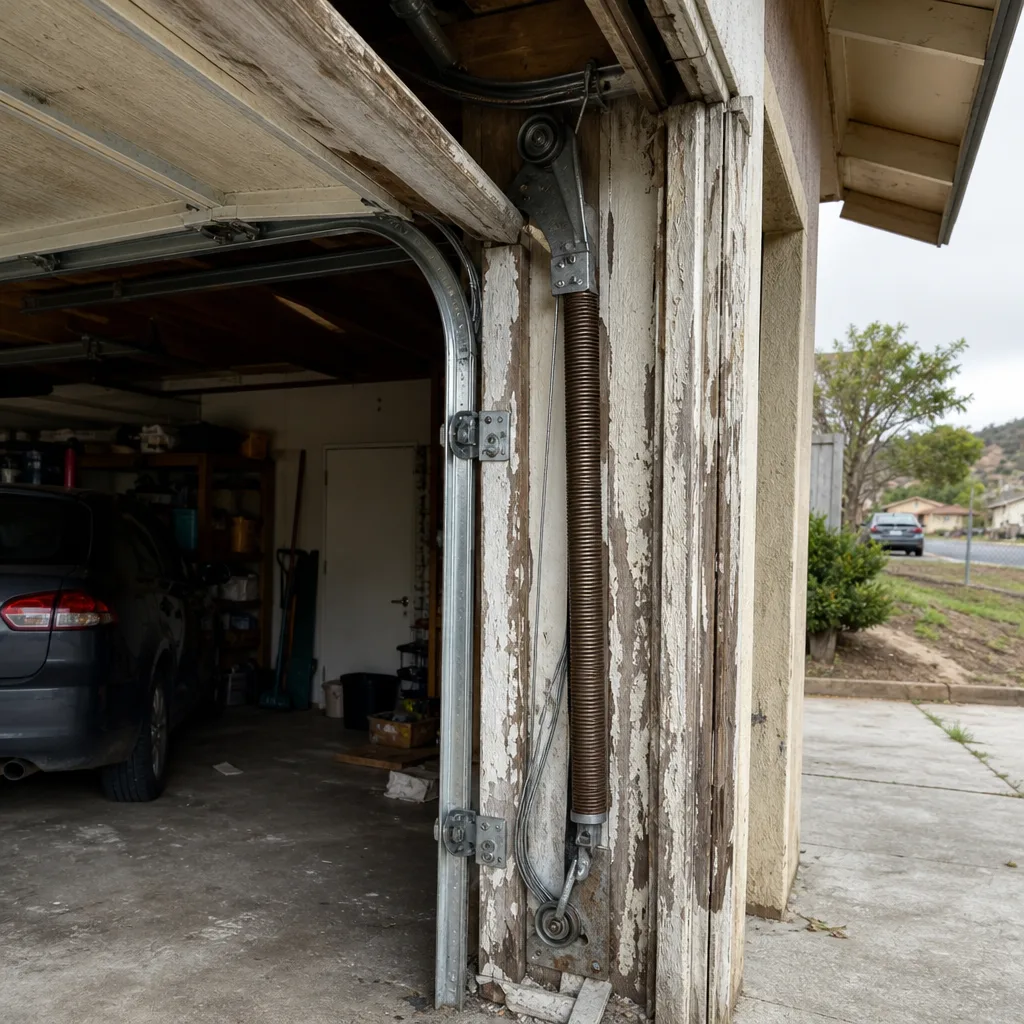 Before
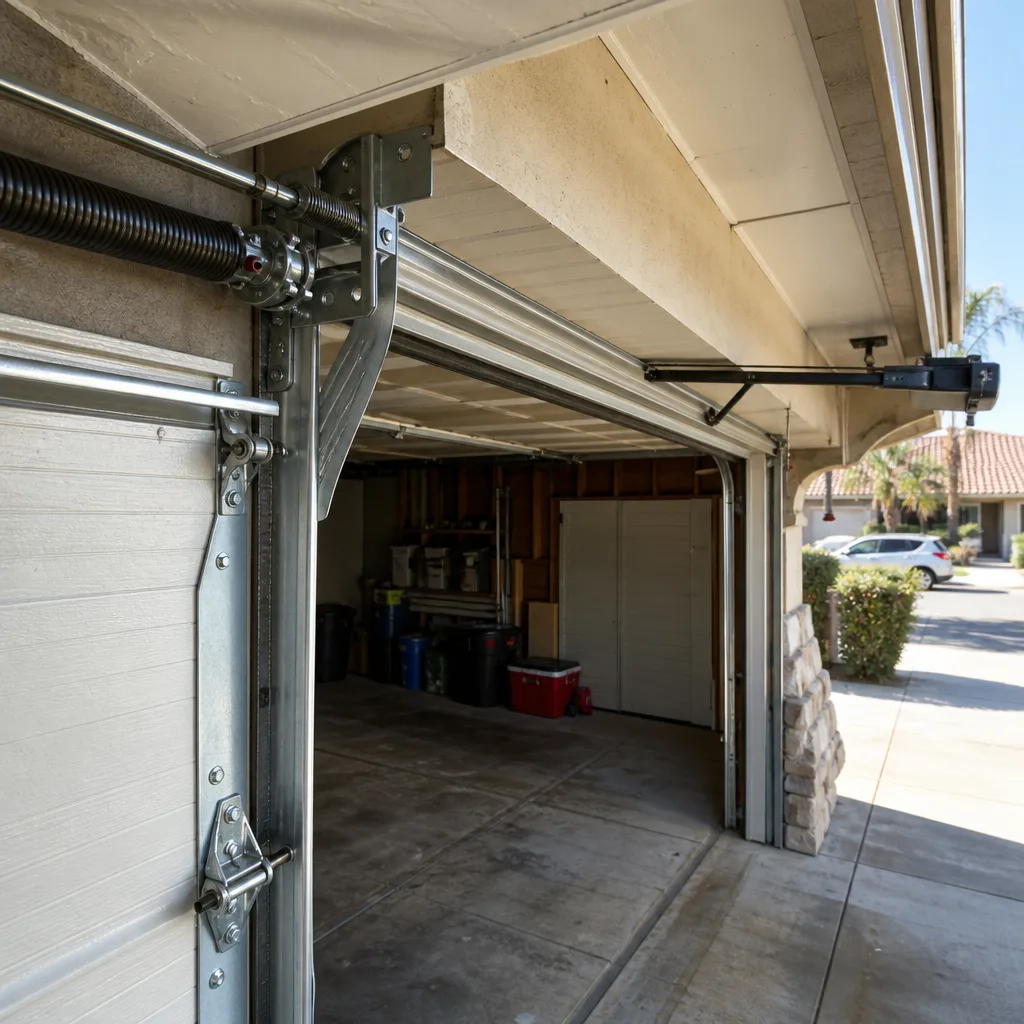 After
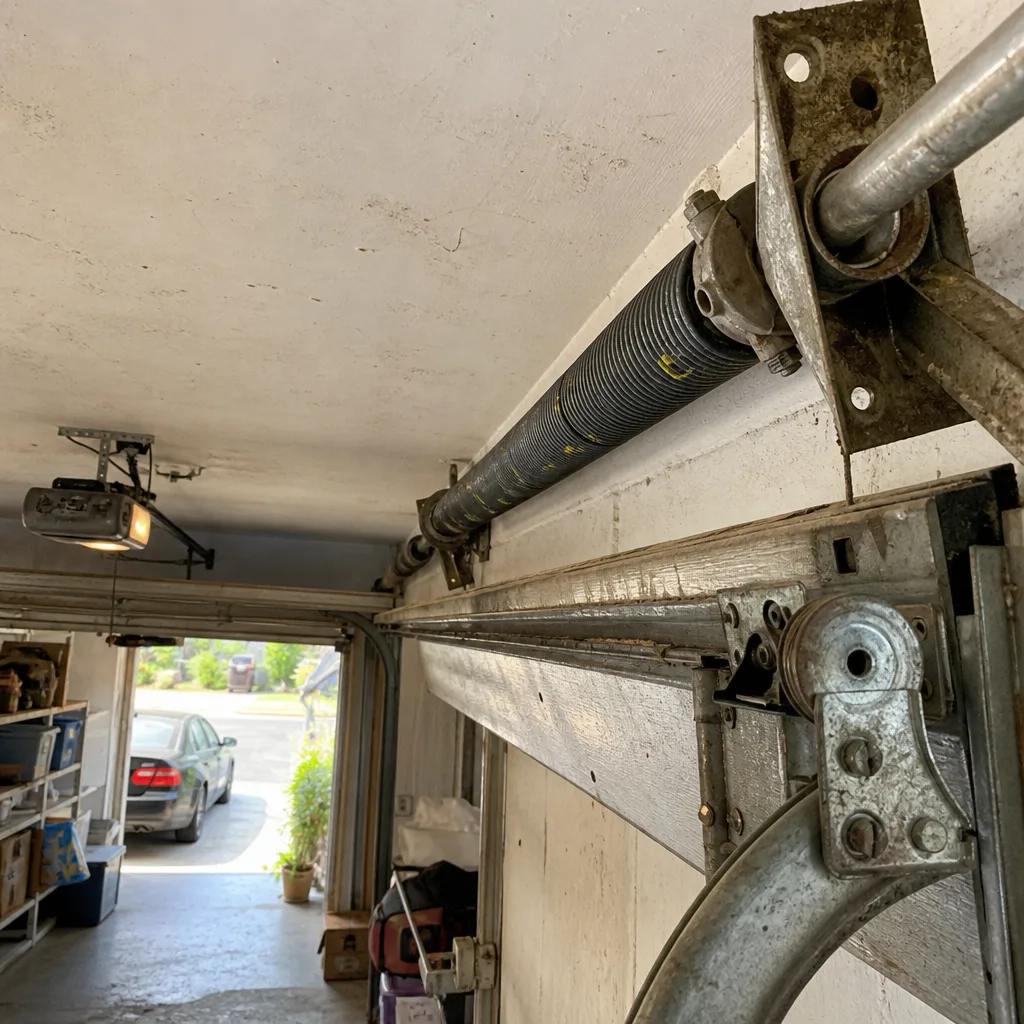 Before
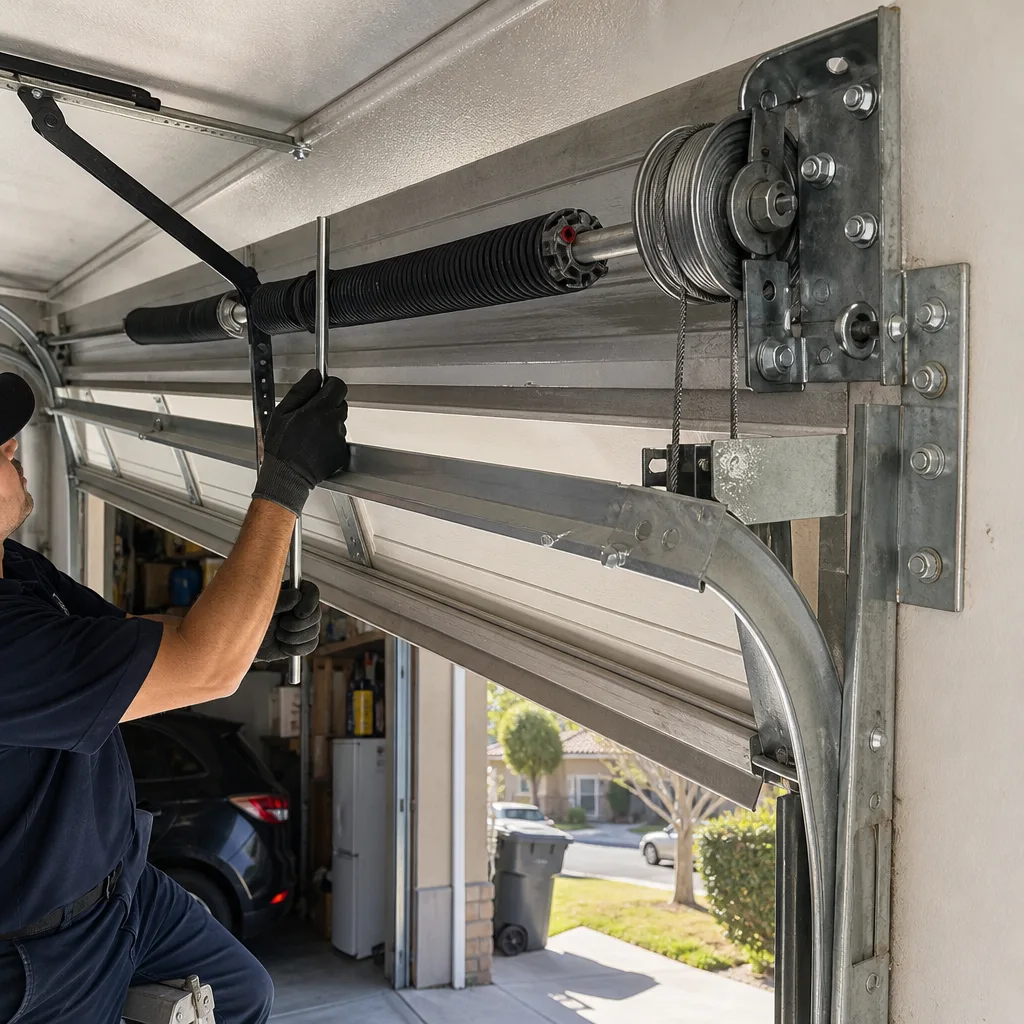 After
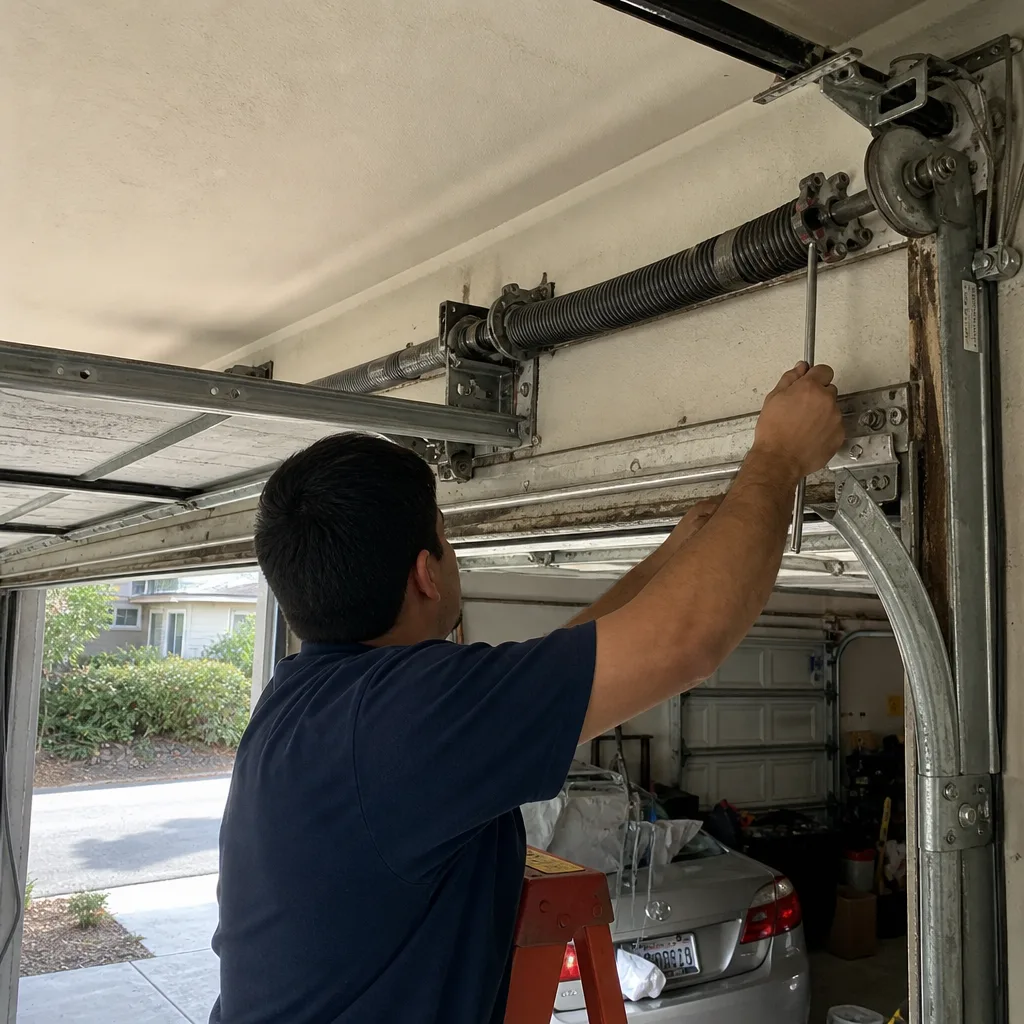 Before
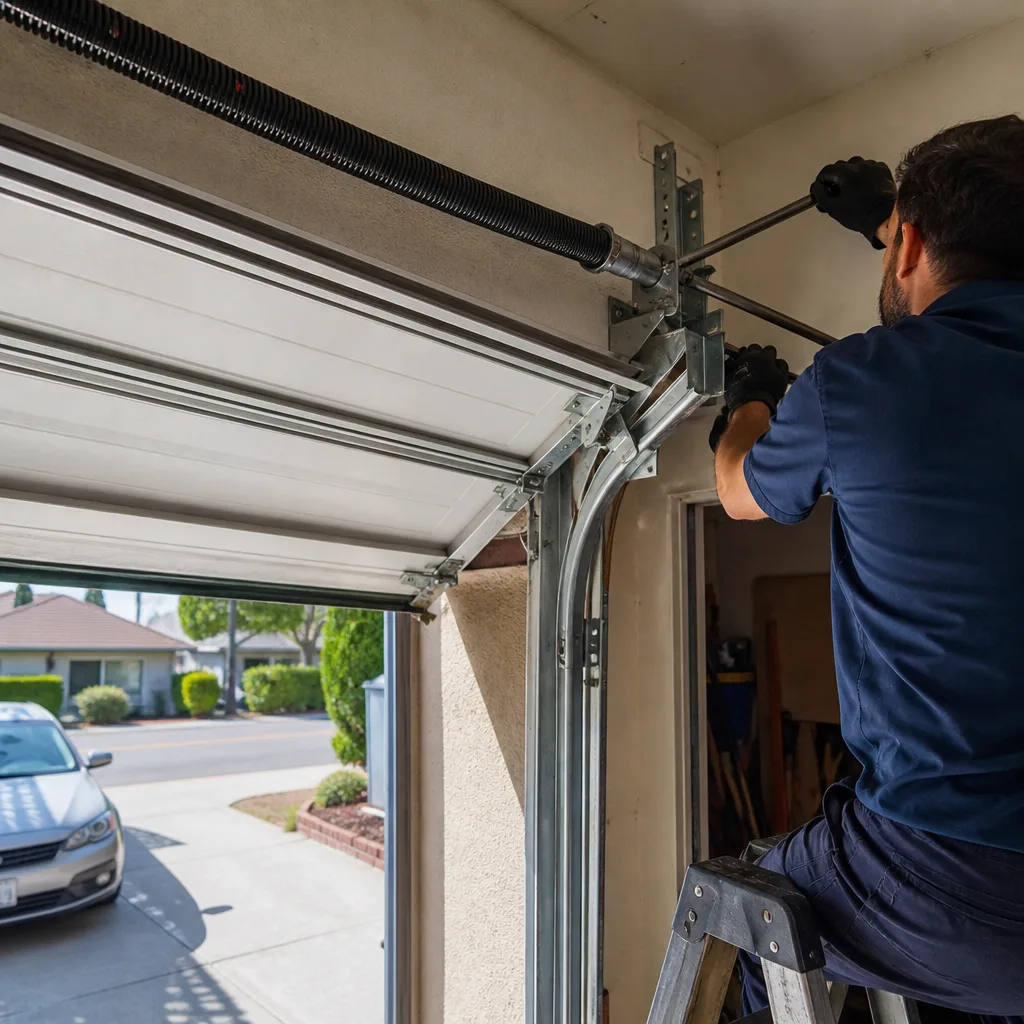 After