
Last updated October 31, 2026
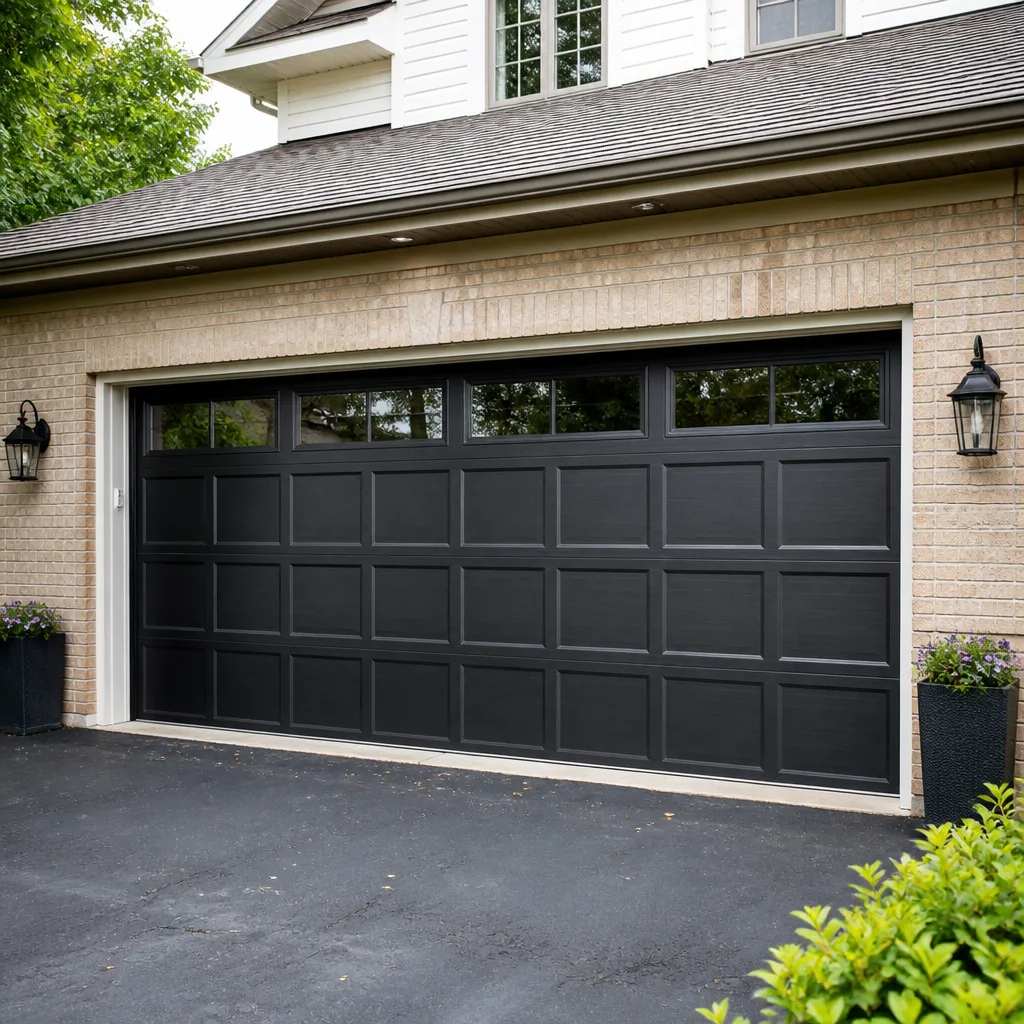 Raised-panel steel
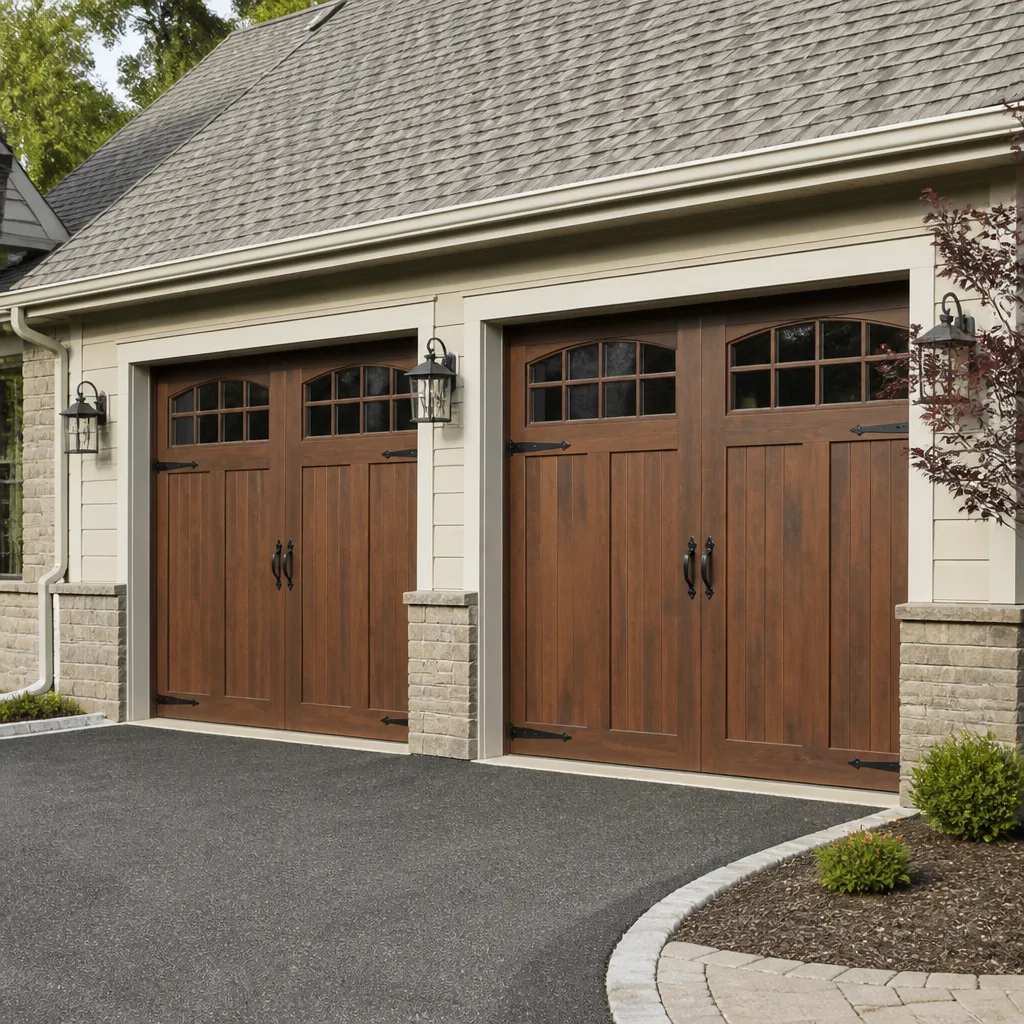 Carriage house
 Modern flush
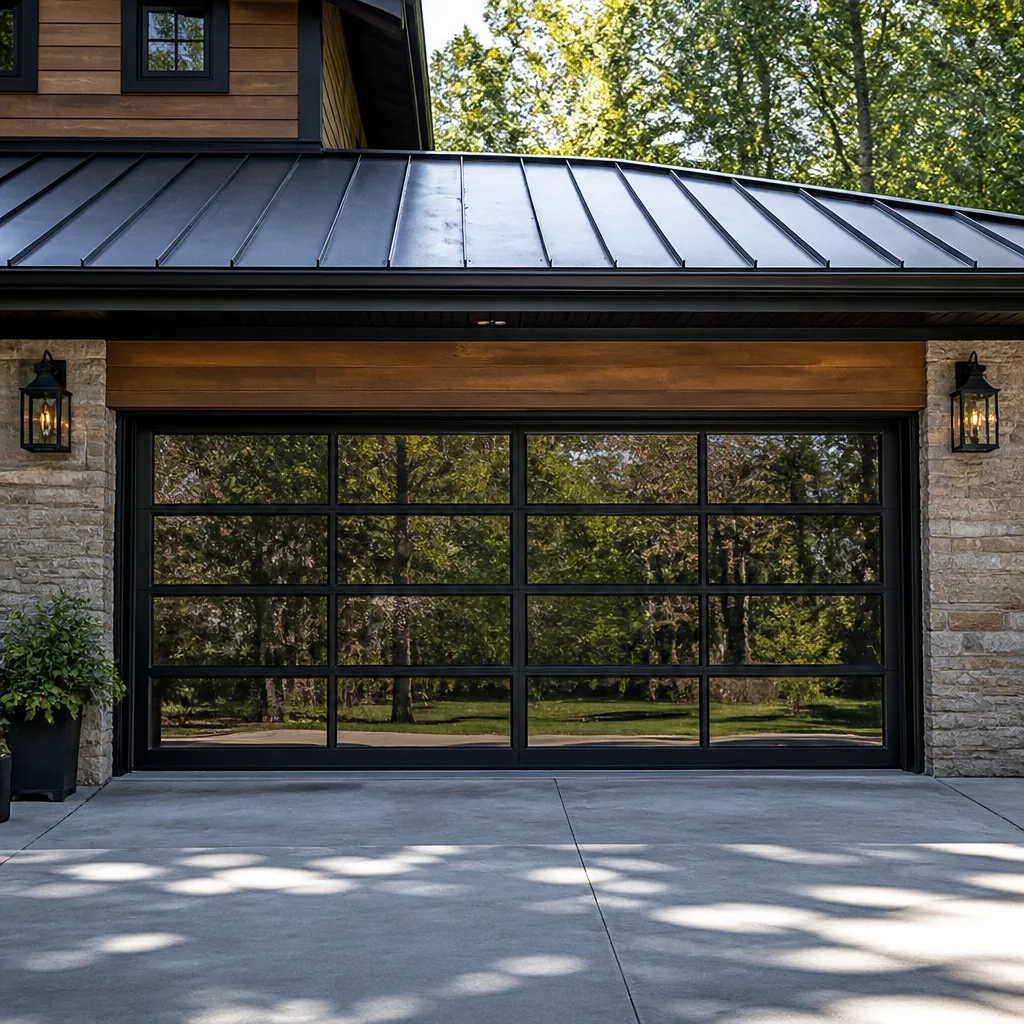 Full-view glass
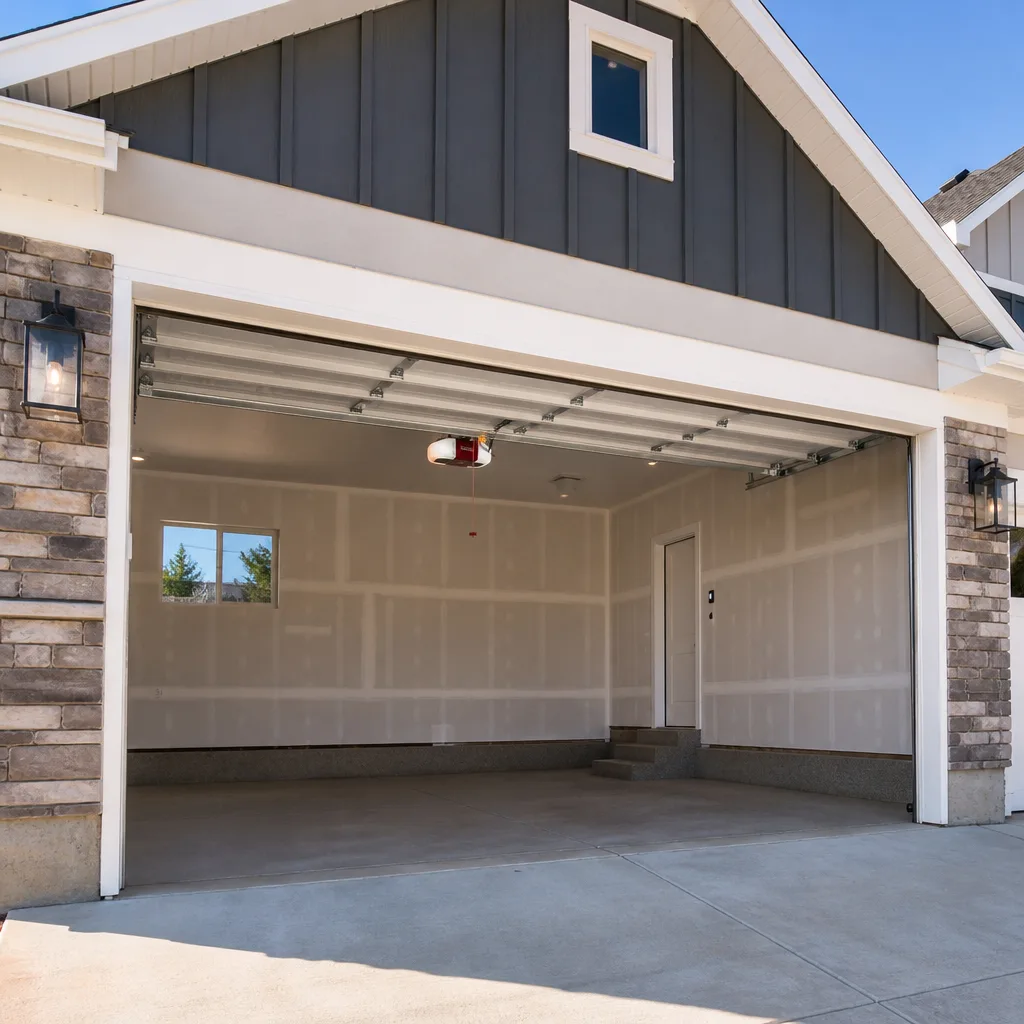 LiftMaster openers
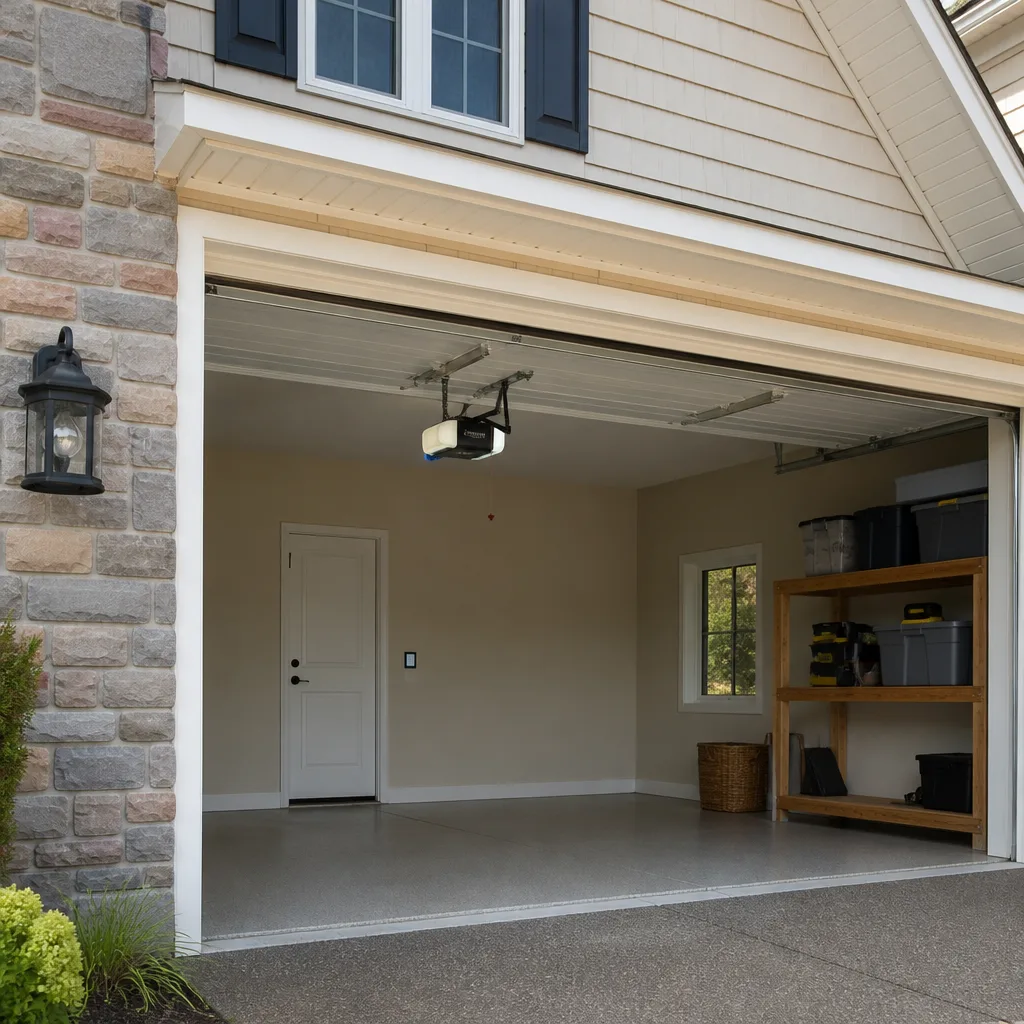 Chamberlain openers
Full 25-point door and opener safety check with every visit - springs, cables, rollers, tracks, and your LiftMaster or Chamberlain opener included
You get a price before we start. It does not change when the truck arrives.
Get your free estimateGarage Door Emergency Preparedness Guide for Escondido Homes
During the 2007 Witch Creek Fire evacuation, traffic on Escondido streets backed up for hours. Some of that gridlock had a surprising cause: homeowners who could not get their vehicles out of garages after the power failed. A single red emergency release cord, hanging from the opener rail in nearly every garage in the city, would have solved the problem in under ten seconds. This guide covers everything you need to know before the next outage, earthquake, or evacuation order hits Escondido, from manual release technique to battery backup options to the four checks that matter after seismic activity. For more, see our Garage Door Repair Troubleshooting: Common Problems and How to Fix Them.
Styles & brands we work with
Quick Answer
Preparedness for a garage door emergency in Escondido comes down to five things: knowing how to pull the red emergency release cord safely, deciding whether a battery backup opener makes sense for your household, knowing the four post-earthquake inspection checks, keeping your weatherseal in good condition for wildfire smoke season, and having your door’s make, model, and spring type written down where you can find it fast. Fifteen to twenty minutes of preparation today means you will not be trapped behind your own door when it matters.
Table of Contents
- How to Use the Manual Release Cord Correctly
- Battery Backup Openers for Escondido Power Outages
- Post-Earthquake Garage Door Inspection: The Four Checks
- Wildfire Smoke and Garage Door Sealing
- What Information to Keep Ready for a Technician
- Seasonal Readiness for Escondido’s Climate
- Common Mistakes to Avoid
- When to Call a Professional
- Frequently Asked Questions
- The Bottom Line
How to Use the Manual Release Cord Correctly
The red cord hanging from your opener rail is the single most important emergency feature in your garage, and most Escondido homeowners have never pulled it. The mechanism is simple: pulling the cord disengages the opener’s trolley from the door’s drive chain or belt, allowing you to operate the door by hand. But there is a right way and a wrong way to do this, and the wrong way can drop a door that is under spring tension, damaging the door, the opener, or worse.
Here is the correct sequence:
- Confirm the door is fully closed. Never disengage the opener with the door in the raised position. A door that is up when you pull the cord can come crashing down, especially if a spring is broken or the door is heavier than you expect.
- Identify the release mechanism. The red cord hangs from a small lever on the opener rail, typically above the center of the door.
- Pull the cord straight down and toward the door. A firm, steady pull disengages the trolley. You will hear a click.
- Test the door by hand. Lift it slowly using the bottom handle. A well-balanced door should move smoothly with moderate effort.
- Re-engage when power returns. With the door closed, press the wall button or remote. The trolley will reconnect automatically on most LiftMaster, Chamberlain, and Genie openers. On some models, you need to pull the cord toward the opener and run the motor until it reconnects.
There is a common misconception that the cord should be pulled whenever the power goes out. That is not always necessary. If you still have battery backup on your opener (more on that below), you can operate the door normally without touching the release. The cord is for true emergencies: prolonged outages, opener failures, or any situation where you cannot wait for the grid to come back.
Our technicians stock replacement cords and release mechanisms for all eight major brands we service, including Wayne Dalton and Craftsman setups that use a slightly different release configuration. If your cord feels stiff, frayed, or hard to reach, that is a fix worth making before you need it.
Battery Backup Openers for Escondido Power Outages
Escondido sits in a part of San Diego County where power shutoffs have become a recurring fact of life. Public safety power shutoffs during Santa Ana wind events, rolling blackouts during heat waves, and wildfire-related outages all happen in this region. A battery backup opener means you never have to choose between being trapped in your garage or manually wrestling a heavy door.
Here is what to know about current options:
Integrated Battery Backup vs. Add-On Modules
- Integrated battery backup: Several current LiftMaster and Chamberlain models include a built-in battery that charges automatically and kicks in within seconds of a power loss. These units typically provide 24 to 48 hours of standby and 20 to 50 open/close cycles before needing a recharge.
- Add-on battery modules: Some Genie and older LiftMaster models accept a plug-in battery module that mounts near the opener. These are a practical retrofit if your opener is otherwise in good shape.
- No backup option: Older openers, especially units installed before roughly 2012, generally have no battery backup path. If your opener predates that era and you want backup capability, replacement is the realistic route.
If you have a battery backup, test it quarterly. Unplug the opener and run the door through a full cycle. If the door moves slowly or the opener beeps continuously, the battery is failing and should be replaced. Backup batteries for major brands are widely available and typically cost between $40 and $120 depending on the model.
For Escondido homeowners considering a new opener, we recommend asking about backup capability at the time of purchase, not after an outage leaves you stranded. Our Garage Door Opener Repair in Escondido service handles battery replacements, retrofit modules, and full opener swaps, and our team can tell you what your specific model supports.
Post-Earthquake Garage Door Inspection: The Four Checks
Escondido sits approximately 30 miles from the San Jacinto Fault Zone and within range of the Rose Canyon system. A moderate earthquake can shift a garage door out of alignment, snap a spring, or wrench the tracks out of square. After any seismic event that rattles the house, run these four checks before attempting to operate the door:
- Inspect the tracks visually. Walk around the inside of the garage and look at both vertical and horizontal track sections. Any bowing, twisting, loose mounting bolts, or gaps between track sections means the door is compromised. Do not operate it.
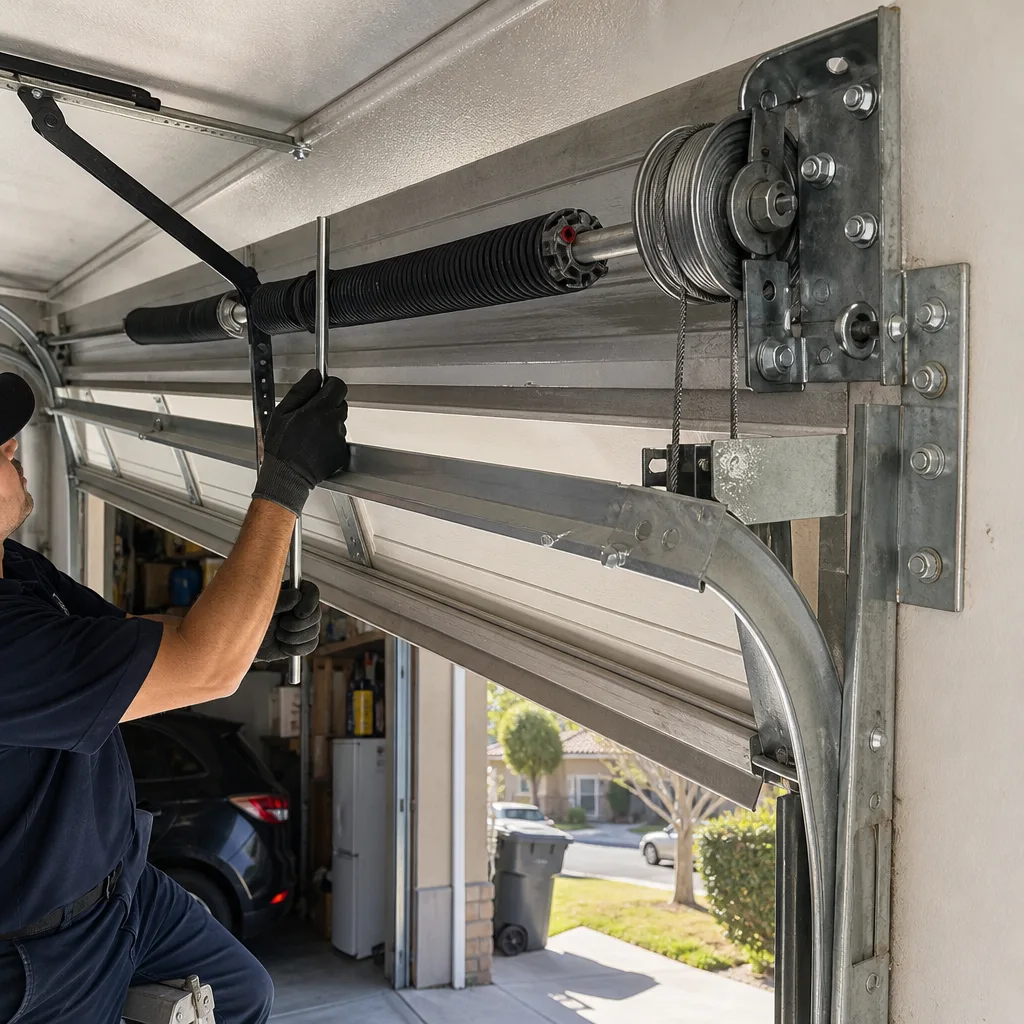
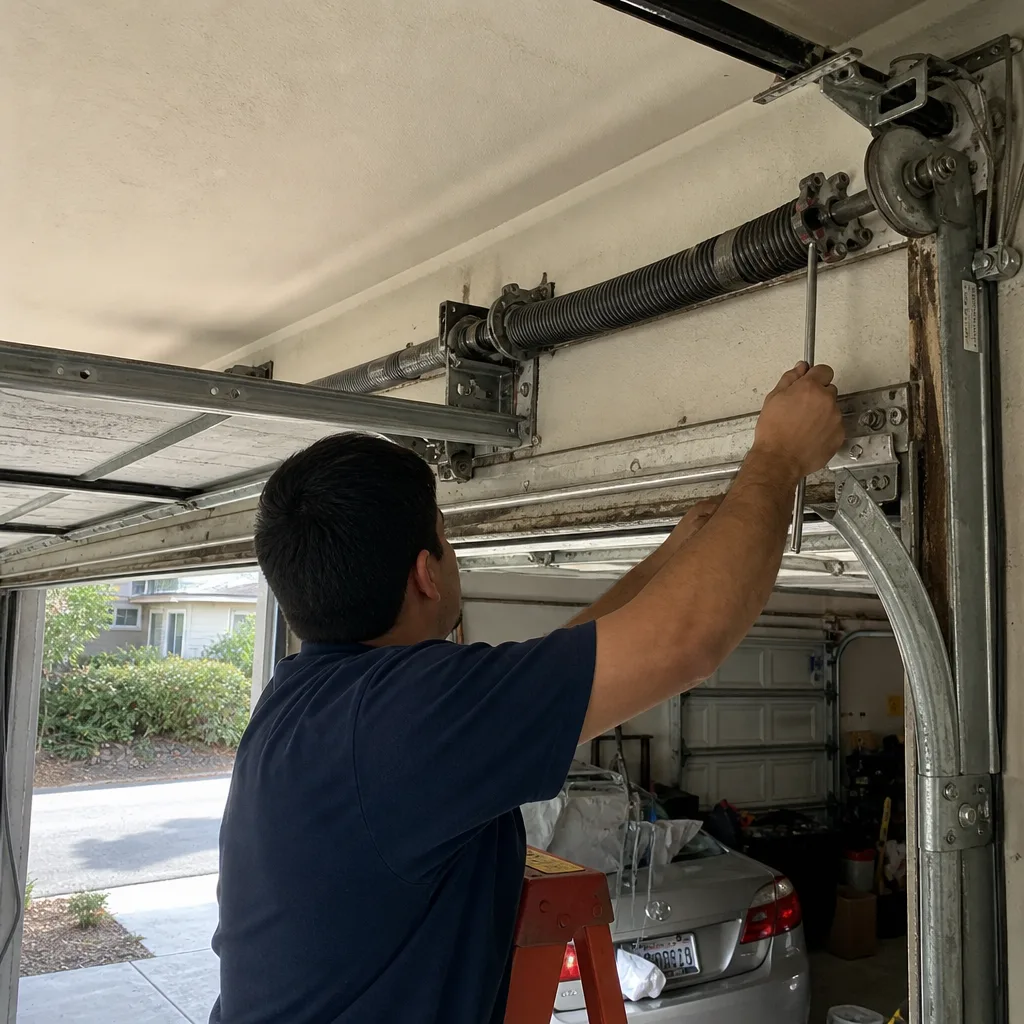
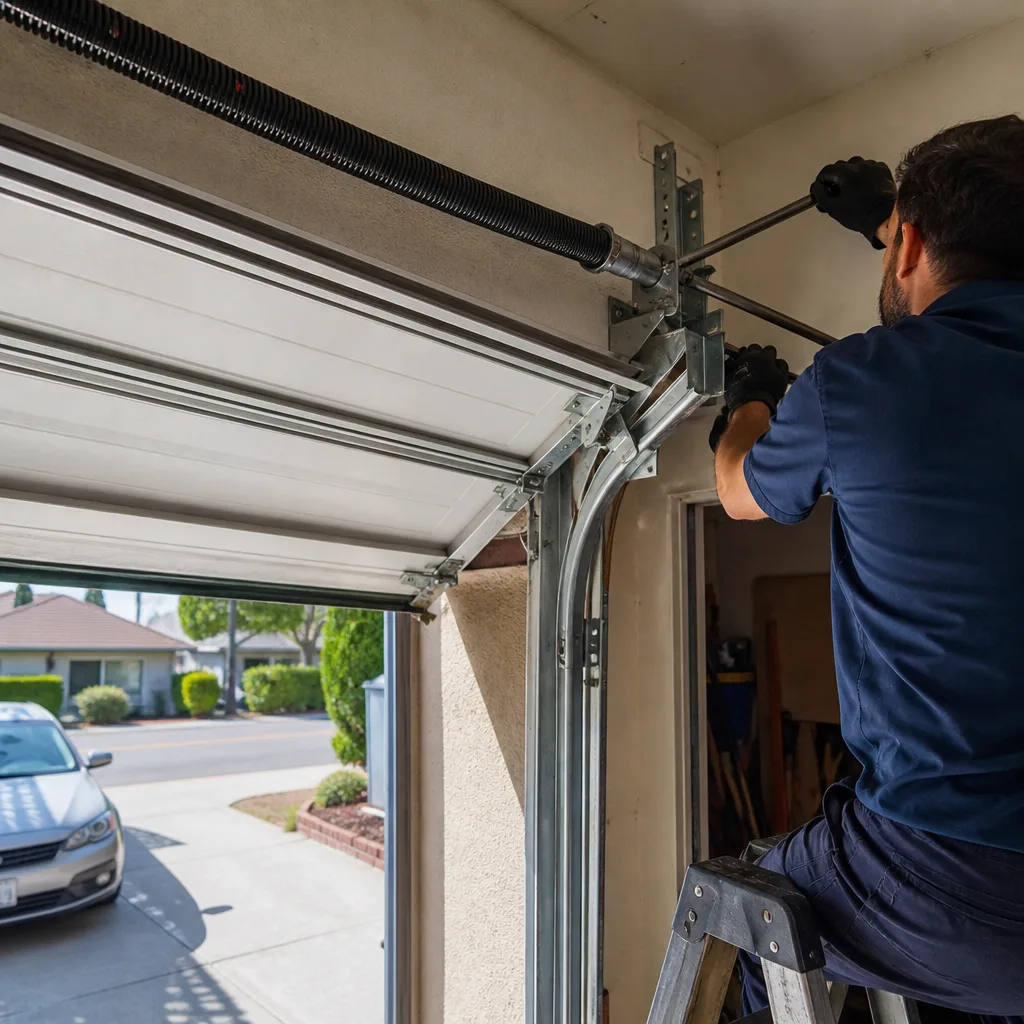
- Check spring integrity. Look at the torsion spring above the closed door. A visible gap in the spring, a loose cable, or a spring that looks stretched means the door is not safe to operate by opener or by hand. Torsion springs under tension are dangerous; leave this to a professional.
- Test the door manually. Pull the emergency release cord and try to lift the door a few inches by hand. It should move smoothly. If it binds, catches, or feels heavier than usual, close it and leave it alone.
- Verify the safety eyes are aligned. The photo sensors near the bottom of the tracks can shift during an earthquake. If the opener light flashes and the door reverses, the sensors likely need realignment. That is a simple fix, but a misaligned door on a shifted track may be masking a deeper problem.
If any of these checks reveal a problem, leave the door closed and call a technician. A door that is freshly damaged from seismic activity is not something to force. We have seen doors in Escondido neighborhoods like Lomas Serenas and Rancho San Pasqual operate fine after one quake and then fail completely on the next cycle because a partially damaged spring gave way.
Wildfire Smoke and Garage Door Sealing
Escondido sits in the wildland-urban interface, which means smoke during wildfire season is not an occasional nuisance, it is a seasonal event. A properly sealed garage door reduces smoke infiltration into your garage and, from there, into your living space. It is not an air purifier, but a good seal keeps the worst of the particulate matter outside where it belongs.
The key component is the bottom weatherseal, also called an astragal. It is a flexible rubber or vinyl strip that runs along the bottom edge of the door. When it is fresh and pliable, it forms a tight seal against the garage floor. When it is cracked, flattened, or pulled away at the ends, smoke, dust, and insects have a direct path inside.
Check your weatherseal twice a year, ideally before fire season starts in late summer and again after the rains. Here is what to look for:
- Flattening or compression: The seal should sit firmly against the floor across its entire width. If you can see daylight under the door, the seal is done.
- Cracking or brittleness: Escondido’s hot, dry summers bake the rubber. A seal that feels stiff or shows surface cracks has lost its flexibility and will not conform to floor irregularities.
- End gaps: The seal should run the full width of the door. Many doors have two or three inches of exposed channel at each end where the seal has shrunk over time, leaving a visible opening.
Weatherseal replacement is a standard part of our Garage Door Repair in Escondido service. The material for a typical 16-foot residential door runs between $30 and $70 installed, and the job takes under an hour. Doors from manufacturers like Clopay and Amarr often use proprietary channel profiles, which means a generic seal from the hardware store will not stay in place. The right seal for your specific door matters more than most people expect.
Beyond the bottom seal, check the side and top trim. The weatherstripping around the door opening should be intact and in contact with the door. On older Escondido homes, this trim is frequently cracked or missing entirely, and it makes a measurable difference in smoke and dust intrusion.
What Information to Keep Ready for a Technician
When you call for garage door help in an emergency, the technician can work faster if you have certain information at hand. During a stressful situation, even simple details get forgotten. We recommend writing the following down on a card or note and taping it to the inside of your garage wall near the service door:
- Door manufacturer and model: Look for a sticker on the inside of the door panel, usually near the bottom or on a side rail. Clopay, Amarr, Wayne Dalton, and Craftsman all print identifying numbers on these tags.
- Opener brand and model: The opener’s model number is printed on the motor unit. This tells the technician what type of rail, remote system, and safety sensor protocol is in use.
- Spring type and approximate age: Torsion springs (mounted above the door) or extension springs (mounted on the sides) require different parts. If your springs have been replaced before, note the approximate year.
- Door size and material: Standard residential doors are 7 or 8 feet high and 8, 9, 10, or 16 feet wide. Wood, steel, and aluminum doors have different weight profiles that affect spring sizing.
Having this information ready saves the technician a trip back to the truck and shortens the repair. It also helps when you call under pressure: you can give the dispatcher the key details without having to search around a dark garage. Ironside Garage Door Repair is a brand-agnostic operation, which means we service what you already have rather than pushing a replacement from a preferred line. Knowing your door and opener brand up front lets us load the right parts before we head to your home.
Seasonal Readiness for Escondido’s Climate
Escondido’s climate creates a predictable rhythm of garage door issues. The inland heat, dry air, and seasonal Santa Ana winds are hard on moving parts, and the problems arrive on a schedule. Here is what we see throughout the year:
Summer (June through September): Extended stretches above 90 degrees dry out lubricant fast. Metal rollers begin to wear, nylon rollers hold up better, and the bottom weatherseal bakes and crackes. This is the season for spring failures as continuous thermal expansion takes its toll. We recommend a lubrication of hinges, rollers, and springs in late spring and a weatherseal check in early summer. See our Garage Door Repair Maintenance Checklist for Escondido Homeowners for a full schedule.
Fall (October and November): Santa Ana winds bring dust, debris, and the highest wildfire risk of the year. This is also when public safety power shutoffs are most likely. Test your manual release cord and battery backup before Santa Ana season arrives. Check that your weatherseal is fully intact for smoke protection.
Winter (December through February): Escondido winters are mild, but cool nights cause metal parts to contract. Doors that were marginally balanced during warm weather can bind slightly as things tighten up. This is a good time for a full door balance check, especially if you notice the door hesitating on the way up.
Spring (March through May): After the rainy season, rust can develop on exposed metal components. A light coat of lubricant on tracks, hinges, and springs prevents surface oxidation. This is also a practical time to consider any necessary repairs before summer heat stresses the system.
If your door is overdue for maintenance, a professional inspection catches issues before they become emergencies. Our team at Ironside Garage Door Repair home provides honest assessments of door and opener condition, and we will tell you straight if a component is near the end of its service life or has years left.
Common Mistakes to Avoid
- Pulling the emergency release while the door is open. This is the most common and most dangerous mistake we see in Escondido homes. A door under spring tension can drop hard, and if a spring has failed, that door can come down with enough force to cause serious injury. Always confirm the door is fully closed before pulling the cord.
- Forcing the opener after an earthquake. If the door does not move smoothly, jamming the opener button to force it up or down bends tracks and strips gears, turning a $150 alignment fix into a $400+ repair.
- Ignoring a snapping or popping sound. A torsion spring that is about to fail often gives a warning, sometimes a loud bang when it breaks and sometimes a series of metallic pings. If your door makes unusual sounds, stop using it and get it inspected.
- Using WD-40 on rollers and hinges. WD-40 is a solvent and rust inhibitor, not a lubricant. It cleans off existing grease and leaves moving parts drier than before. Use a silicone-based or lithium grease lubricant instead.
- Replacing a spring without the right tools. Torsion springs are under extreme tension. Without the correct winding bars and technique, a spring can snap during installation and throw a metal bar across the garage. This is not a DIY repair.
- Waiting until an outage to learn where the release cord is. During an emergency evacuation, fumbling for an unfamiliar cord wastes valuable minutes. Every person in the household who drives should know where the cord is and how to use it.
- Assuming all openers have battery backup. Most do not. Knowing whether your opener has backup capability, and testing it regularly, makes the difference between driving out and walking out.
When to Call a Professional
Some garage door conditions are genuinely dangerous, and the safety stakes are too high for trial and error. Call a professional any time you face a broken torsion spring, a door that has come off its tracks, a cable that is dangling or snapped, or an opener that has failed and left the door stuck halfway. These situations involve high-tension components, heavy doors, and electrical systems that can cause serious harm when handled incorrectly.
If you are unsure whether your door is safe to operate after an earthquake or power surge, or if the door moves unevenly when you test it by hand, stop and call. Ironside Garage Door Repair offers free estimates in Escondido – call (855) 341-7752 and we will assess the situation, give you a straight diagnosis, and quote the repair before any work begins.
Frequently Asked Questions
With the door fully closed, pull the red emergency release cord hanging from the opener rail straight down and toward the door, then lift the door by hand using the bottom handle. A properly balanced door will lift smoothly with moderate effort. If the door feels heavy or drops when you release it, a spring is likely broken, and you should call a professional rather than forcing it.
Yes, depending on your opener model. Many Genie and LiftMaster openers support an add-on battery module, while some Chamberlain units include integrated backup. If your opener was manufactured before roughly 2012, it likely has no backup capability, and replacement is the practical option. Call (855) 341-7752 with your opener’s model number to find out what your unit supports.
For a standard 16-foot residential door, weatherseal replacement typically costs $30 to $70 for the material, with installation included in most Garage Door Repair in Escondido service calls. Doors from brands like Clopay and Amarr often require proprietary seals, which is worth confirming before buying a generic strip at a hardware store.
Pull the emergency release cord with the door closed and lift the door manually. If the door will not budge, is off its tracks, or drops back down, do not force it. Get out through another exit. After the immediate danger passes, call (855) 341-7752 to have the door inspected and repaired.
Yes. Seismic activity can partially fatigue a torsion spring or shift tracks in ways that are not visually obvious. A door may operate normally for several cycles after a quake and then fail without warning. If you felt the earthquake strongly enough to shake the house, run the four post-earthquake checks described above and have the door inspected if anything feels off.
Ironside Garage Door Repair is factory-familiar with eight major brands: LiftMaster, Chamberlain, Genie, Clopay, Amarr, Wayne Dalton, Craftsman, and Raynor. We diagnose by brand-specific knowledge, which means we fix what you have rather than steering you toward a replacement you do not need. If you are considering a new door, our Garage Door Installation in Escondido service covers selection, measurement, and professional installation.
The Bottom Line
Garage door emergencies in Escondido are predictable: outages during Santa Ana season, smoke intrusion during wildfire months, spring failures in summer heat, and occasional seismic checks after an earthquake. Preparation is not complicated. Know where your release cord is and how to use it safely. Decide whether battery backup is worth having for your household. Check your weatherseal twice a year. Keep your door and opener information written down. Most importantly, if a door is binding, a spring is broken, or the tracks are out of square, do not force it. A professional assessment is cheaper than the damage a forced door can cause.
For any garage door concern in Escondido, contact Ironside Garage Door Repair at (855) 341-7752. We provide free estimates, straight diagnoses, and the repair or installation work is quoted and agreed before anything starts.
Written by the team at Ironside Garage Door Repair, serving Escondido since 2016.
See the difference
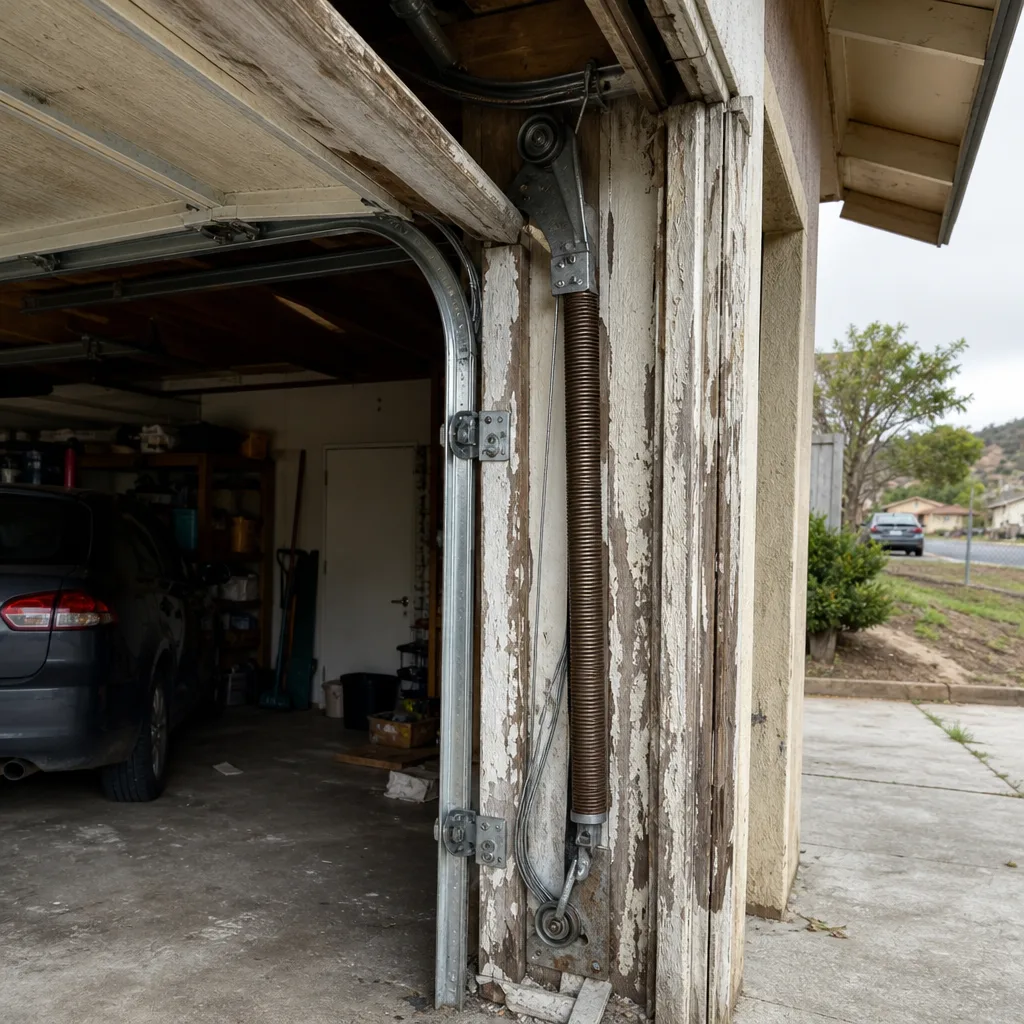 Before
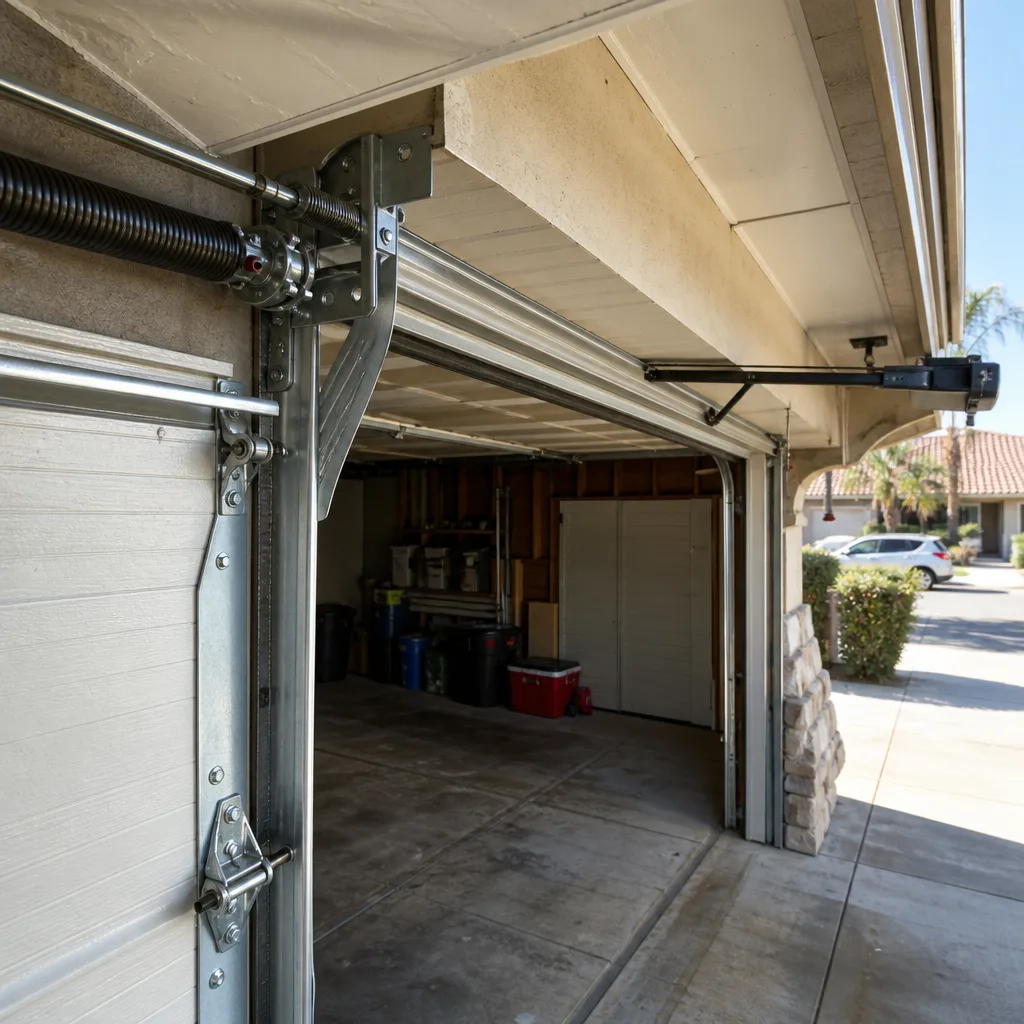 After
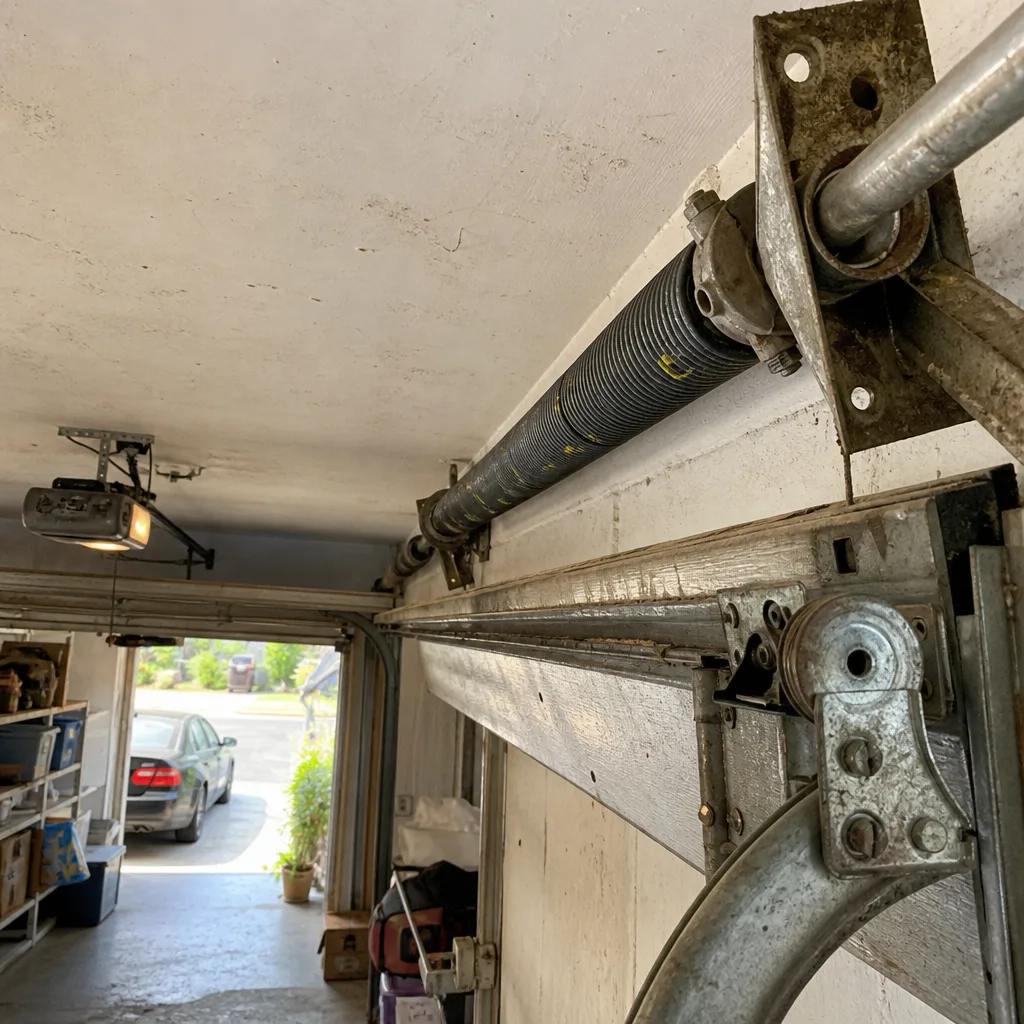 Before
 After
 Before
 After