
Last updated October 31, 2026
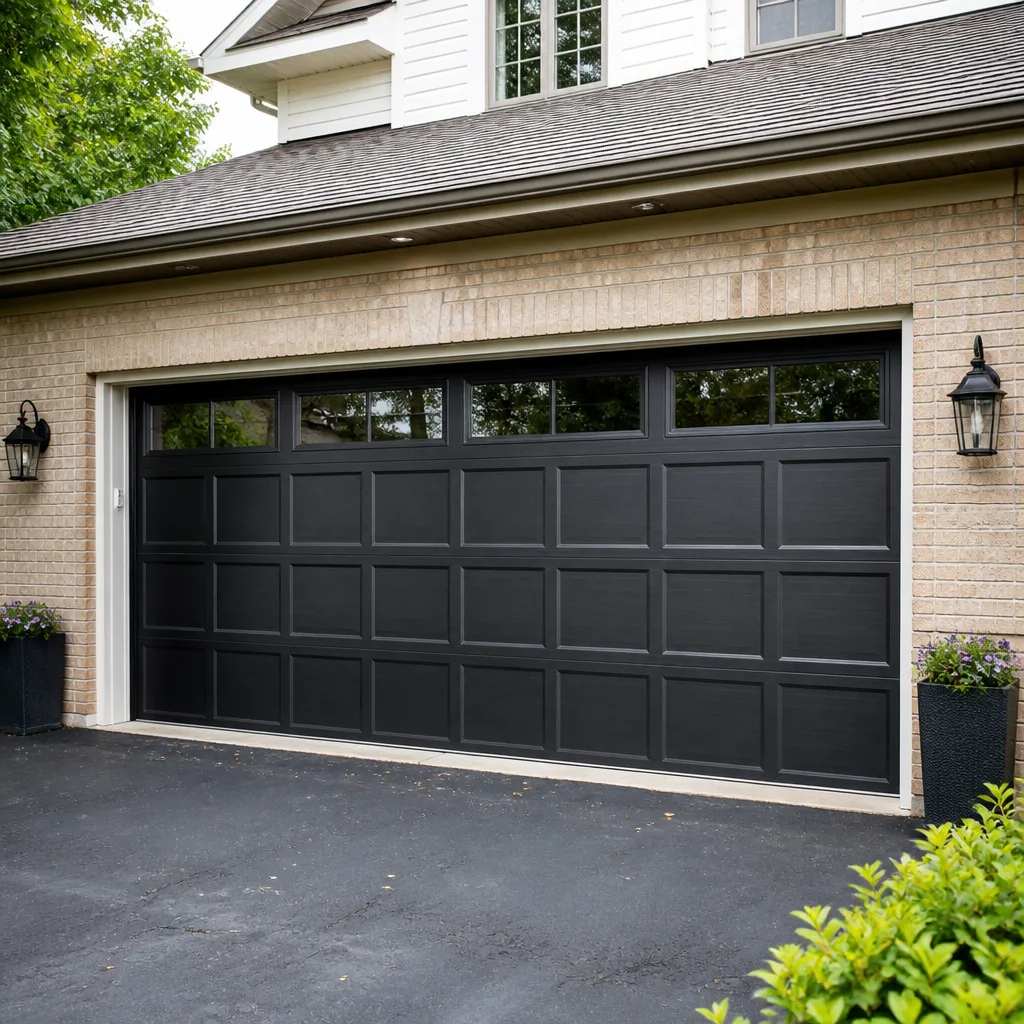 Raised-panel steel
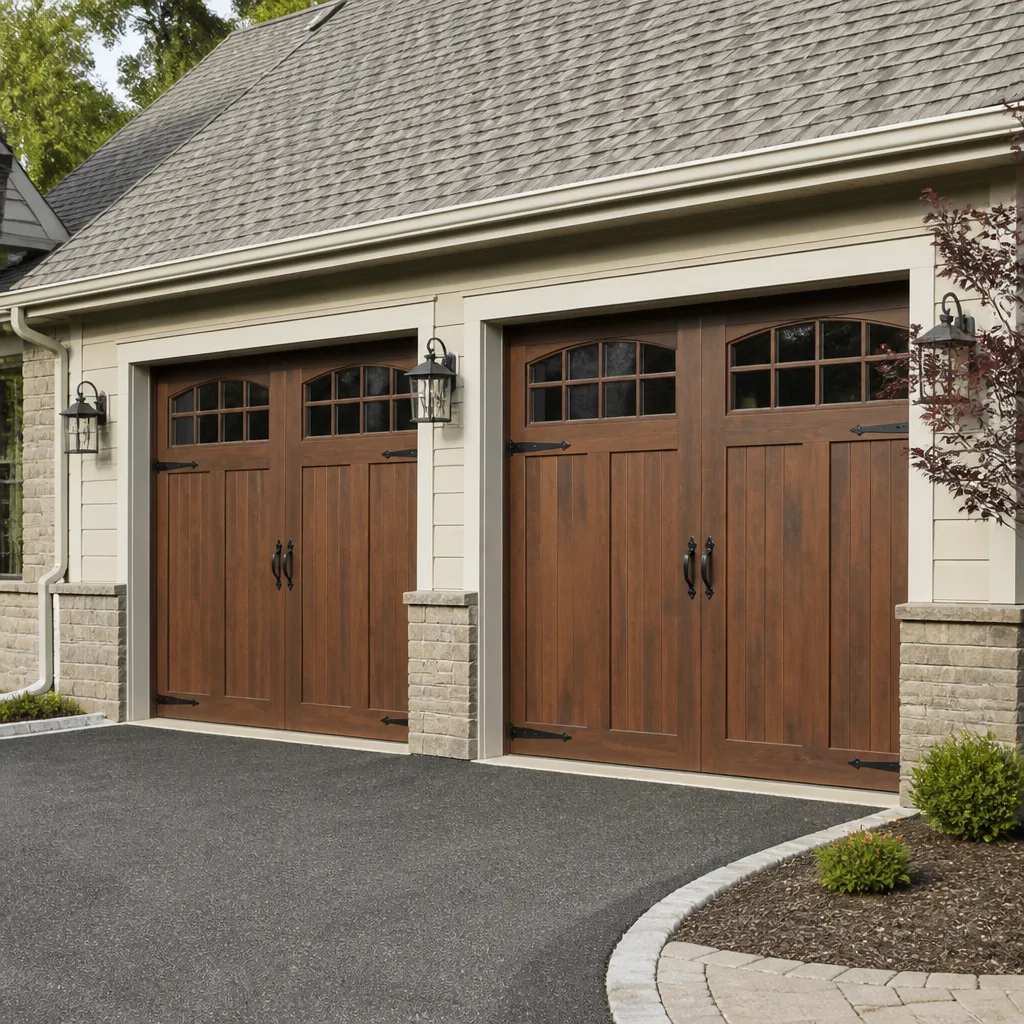 Carriage house
 Modern flush
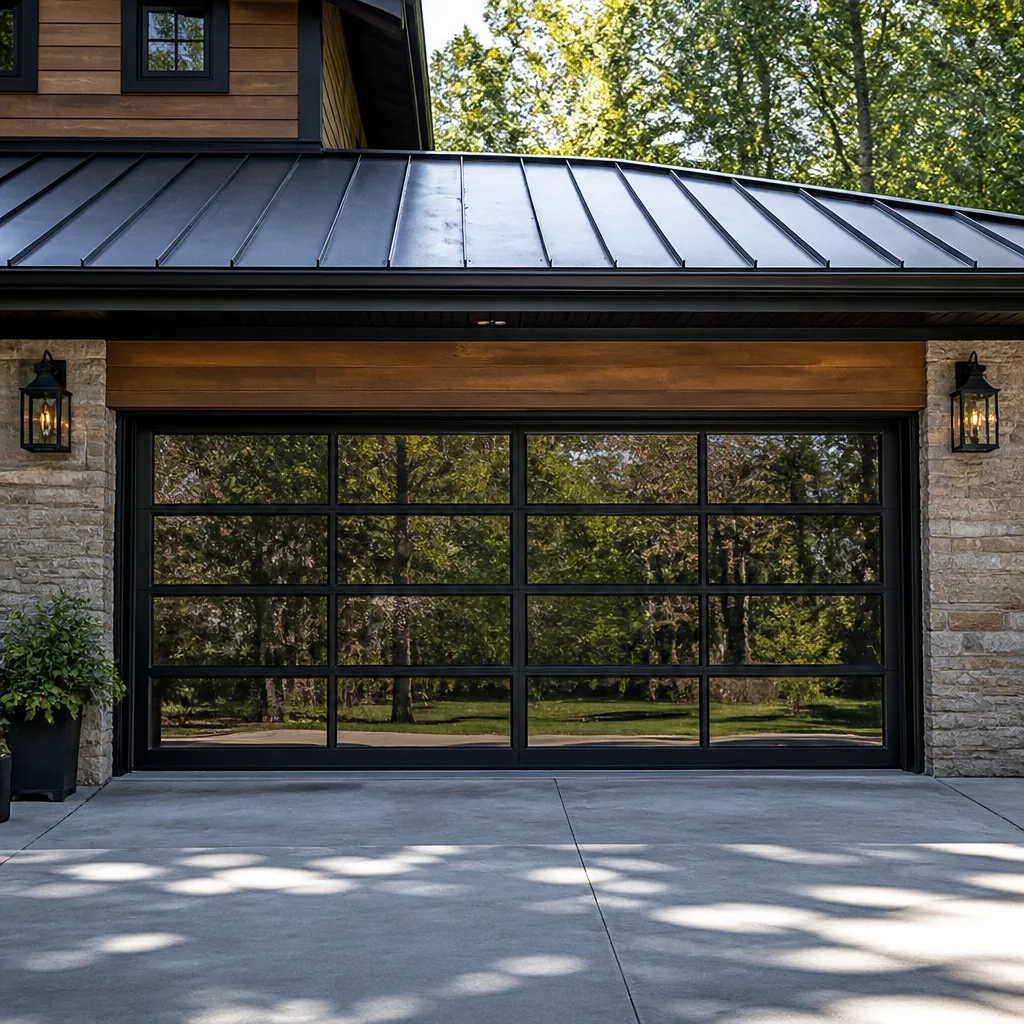 Full-view glass
 LiftMaster openers
 Chamberlain openers
Full 25-point door and opener safety check with every visit - springs, cables, rollers, tracks, and your LiftMaster or Chamberlain opener included
You get a price before we start. It does not change when the truck arrives.
Get your free estimateGarage Door Permits, Codes & Inspections in CA: What You Need to Know
An unpermitted garage door replacement can surface during escrow as a material defect, stalling a sale that was two signatures away from closing. It’s the kind of discovery that costs homeowners money and time, and it usually traces back to a two-hour job done years earlier without the right paperwork. California’s garage door permit requirements look straightforward from a distance but trip people up on specifics: what triggers a permit, what local cities like Escondido add on top of state code, and who is actually responsible when work gets done without one. This guide breaks down the actual rules, the safety standards behind them, and the inspection process, so you know what applies to your house before anyone picks up a drill. For related reading, see our Garage Door Repair Maintenance Checklist for Escondido Homeowners.
Styles & brands we work with
Quick Answer
In California, replacing an existing garage door with a like-for-like unit typically does not require a building permit, but installing a new door where none existed, altering the opening size or structure, or adding an opener that requires electrical or structural modification usually does. The trigger is the scope of work, not the price tag. Local amendments in cities like Escondido and the county of San Diego can be stricter than state minimums, and any new opener must meet the UL 325 safety standard. If you’re troubleshooting issues, our Garage Door Repair Troubleshooting: Common Problems and How to Fix Them covers common opener problems.
Table of Contents
- California State Code: What Actually Triggers a Permit
- Escondido and San Diego County: Where Local Rules Get Stricter
- UL 325 and Why It Matters for Every New Opener
- What a Garage Door Inspection Actually Checks
- Permit Responsibility: Contractor vs. Homeowner
- The Permit Process Step by Step
- Permit Costs and Timeline Expectations
- How Permits Affect Insurance and Resale
- Common Mistakes to Avoid
- When to Call a Professional
- Frequently Asked Questions
- The Bottom Line
California State Code: What Actually Triggers a Permit
The California Residential Code (CRC) governs garage door work, and the core rule is simpler than most people expect: a permit is required when the work changes the structure, the opening, or the electrical system. A like-for-like replacement where the new door fits the existing opening and uses the existing framing, track, and electrical connections generally falls outside permit requirements in most jurisdictions statewide. But the moment the job involves reframing an opening, widening or heightening a door, adding a new electrical circuit for an opener, or installing a door where one never existed, you’re in permit territory regardless of what the job costs.
The distinction matters because it defines cost-based confusion. A $200 spring replacement on an existing door needs no permit. A $400 opener installation that requires a new dedicated electrical circuit does. The dollar amount never enters the equation. What matters is the physical and electrical scope. Here’s what California code generally treats as permit-triggering:
- New door installation in an existing opening where no garage door was present before, such as enclosing a carport or converting a space
- Structural changes to the opening, including altering header size, moving support posts, or changing the width or height
- New electrical work for an opener, meaning a circuit that didn’t previously exist or a significant reconfiguration of existing wiring
- Replacement of a door with a different style that changes load characteristics, such as switching from a single-panel tilt-up to a sectional door that requires new track mounting
- Installation of fire-rated doors in attached garages where the old door was not fire-rated and the wall assembly is being modified
Most of the garage door work we handle in Escondido neighborhoods like Kit Carson, Old Escondido, and Lomas Serenas falls cleanly into the replacement category. The existing opening stays the same, the existing track and electrical setup stays the same, and the job is done in an afternoon. That’s permit-free work under state minimums. The minute a homeowner wants a wider door to fit a truck or a taller door to fit a lifted van, the conversation changes, because the header has to come out and that’s structural.
Escondido and San Diego County: Where Local Rules Get Stricter
California sets a floor, not a ceiling. Cities and counties can add their own amendments, and San Diego County plus the City of Escondido both do in ways that matter for garage door work. Escondido operates under the California Building Standards Code with local amendments adopted by city ordinance, and the Escondido Building Division is the authority that issues permits, conducts inspections, and maintains records. San Diego County has parallel requirements for unincorporated areas, though most Escondido residents deal directly with the city.
In practice, the local layer most often surfaces in three ways:
- Plan check requirements. Escondido can require a plan review for door installations involving structural changes, even when the state minimum wouldn’t. A header change or opening modification in an older home may trigger a check that a neighboring city wouldn’t request.
- Fire rating enforcement. Escondido’s building officials pay close attention to separation requirements between attached garages and living spaces. Replacing a door on an attached garage may require a fire-rated door meeting specific tags and labeling, and inspectors here consistently verify this during final inspection in ways that less structured jurisdictions sometimes gloss over.
- Energy and weatherization codes. Escondido’s climate, with summer temperatures routinely exceeding 90 degrees in neighborhoods like Hidden Trails and Vineyard, makes insulated door requirements practical and sometimes mandatory in certain applications. Title 24 energy compliance can come into play when the garage is conditioned space or when the door replacement is part of a larger remodel.
The safest move in Escondido is simple: when in doubt, call the Escondido Building Division and describe the job in plain terms. They’ll tell you whether a permit applies. It takes five minutes and removes the guesswork that turns into a problem later.
UL 325 and Why It Matters for Every New Opener
Every garage door opener manufactured for residential use in the United States must comply with UL 325, the safety standard covering entrapment protection. The rule exists because garage doors have killed people, mostly children, and the standard mandates specific safety mechanisms: an automatic reversing feature triggered by physical contact, and a photoelectric sensor or edge sensor that detects an obstruction before contact happens. Since 1993, every residential opener sold in the U.S. has been required to include both systems, and the standard has been updated multiple times since to tighten response times and reduce false reverses.
What UL 325 means for a homeowner replacing an older opener in Escondido is practical. If your current opener predates 1993, it lacks the photoelectric eye entirely. That’s not a code compliance issue in the sense of a permit, because replacing an opener with the existing electrical circuit doesn’t typically require one. But it’s a safety issue, and if the home is sold, inspectors and home warranty companies increasingly flag non-compliant openers as a defect. New openers from LiftMaster and Chamberlain, the two most common brands we service in Escondido, all carry UL 325 compliance out of the box. Genie and Raynor units do as well, with some variation in sensor placement and installation requirements.
The installation side matters more than the equipment side. A UL 325 opener installed incorrectly can still fail to reverse when it should. The photoelectric sensors must be mounted no higher than six inches above the floor, aligned correctly, and the force settings must be dialed in so the door reverses on contact without excessive force. That’s the part of the install that a permit inspection will verify when one is required, and it’s the part that separates a compliant installation from a dangerous one.
What a Garage Door Inspection Actually Checks
When a garage door job in Escondido does trigger a permit, the final inspection covers a defined checklist, and knowing what’s on it helps you understand why the process matters. A garage door inspection typically verifies:
- Structural attachment. The inspector confirms that track brackets, mounting hardware, and header plates are secured to framing with appropriate fasteners and that the opening wasn’t compromised during installation.
- Entrapment protection. The photoelectric sensors are present, mounted at the correct height, aligned, and functioning. The auto-reverse mechanism activates on both contact and non-contact obstruction.
- Fire separation. For attached garages, the inspector verifies that the door meets fire-rating requirements where applicable and that the assembly maintains the required separation between garage and living space.
- Electrical compliance. Any new or modified wiring meets the National Electrical Code, including proper grounding, circuit sizing, and GFCI protection where required.
- Weather protection. Exterior doors are checked for proper sealing, flashing, and drainage so water intrusion doesn’t become a structural issue over time.
- Safe operation. The door opens and closes smoothly, balances correctly, and the emergency release functions as designed.
Passing inspection matters for two reasons beyond the obvious safety one. First, it creates the record that protects you during a future sale. Second, it protects your insurance position. If an unpermitted door installation fails and damages property or injures someone, an insurer can use the lack of permitting as grounds to contest a claim. That’s not speculative. It’s a documented pattern in California claims. A clean final inspection on record removes that exposure entirely.
Permit Responsibility: Contractor vs. Homeowner
The legal responsibility for pulling a required permit in California falls on the contractor when one is hired. Under the California Contractors State License Board rules, a licensed contractor performing work that requires a permit must obtain that permit as part of the job. A contractor who tells you to pull the permit yourself is shifting a legal burden that belongs to them, and that’s a red flag worth paying attention to. The reason is practical as much as legal: the contractor knows the scope, the code references, and the inspection process. The homeowner shouldn’t be navigating that.
That said, the homeowner carries ultimate exposure if unpermitted work exists on their property. The city records the permit against the property, not against the contractor. When escrow opens and a buyer’s inspector asks for permit records, the absence of a permit becomes the seller’s problem. The contractor who skipped permitting three years ago may be out of business, retired, or unreachable, but the home still has unpermitted work, and the correction costs land on the homeowner. In Escondido, we’ve seen this play out in sales for homes in the Vineyard and Harmony Grove areas, where buyers’ inspectors are increasingly thorough about garage door work specifically, because it’s one of the most commonly skipped permit items in residential construction.
Our guidance is direct: ask any contractor you hire whether the job requires a permit in Escondido, and get the answer in writing. If the contractor says no, and the work involves structural or electrical changes, verify with the city yourself. Five minutes on the phone can prevent a five-figure escrow problem later.
The Permit Process Step by Step
When your garage door project in Escondido does require a permit, the process follows a defined sequence. Here’s what to expect:
- Determine scope and trigger. Assess whether the job involves a new door in an existing opening, structural modifications to the opening, new electrical wiring for an opener, or a door replacement that changes load characteristics. Like-for-like replacement with no structural or electrical changes typically skips the permit requirement.
- Verify with the Escondido Building Division. Describe the project in plain language. The building division will confirm whether a permit applies and what documentation or plans they require.
- Prepare submittal documents. For structural modifications, you’ll need drawings or specifications showing the opening dimensions, header work, and door specifications. For opener installations with new electrical work, include the circuit details.
- Submit and pay. The city issues the permit once the plan check, if required, is complete and fees are paid. Fees in Escondido for residential garage door work are typically modest, in the low hundreds of dollars.
- Complete the work. The contractor performs the installation to the approved scope. Any deviation requires an amendment before inspection.
- Schedule inspection. The city inspects the work, and the inspector signs off on the items outlined in the section above. If anything fails, corrections are made and a re-inspection is scheduled.
- Keep records. The final approval is recorded with the city. Keep documentation for the future sale of the home.
Most of the garage door work we perform in Escondido, including the majority of garage door repairs and installations across the city, never reaches step three because the scope stays on the replacement side of the line. When it does, the process typically adds two to six weeks to the timeline, most of that spent in plan check and scheduling rather than actual construction.
Permit Costs and Timeline Expectations
Permit fees for garage door work in Escondido are generally not the biggest line item on the job. The cost varies by valuation and scope, but residential garage door permits in San Diego County cities commonly run between $150 and $400, with plan check fees adding additional cost when a structural review is required. The bigger cost factor is time. A plan check in Escondido can take two to four weeks depending on current workload at the Building Division, and inspection scheduling adds another week or two on top of that. For a homeowner planning a door replacement around a moving date or a renovation schedule, that timeline needs to be built into the plan.
| Work Type | Typical Permit Fee Range | Typical Timeline |
|---|---|---|
| Like-for-like door replacement | $0 (no permit required) | Same day |
| Opener replacement, existing circuit | $0 (no permit required) | Same day |
| New door, existing opening, new electrical | $150 – $300 | 2 – 4 weeks including inspection |
| Structural opening modification | $200 – $400 plus plan check | 3 – 6 weeks including plan check and inspection |
These ranges reflect what we’ve observed across Escondido projects. Exact fees depend on current city fee schedules, which change periodically. The city publishes its fee schedule online, and the Building Division can quote a fee by phone before you commit to anything.
How Permits Affect Insurance and Resale
Permit records tie to the property, not the person, and that makes them a permanent part of the house’s history. When a home in Escondido goes under contract, the buyer’s inspector and the escrow company can request permit records from the city. If work was done without a permit that required one, the seller has a disclosure problem. California’s seller disclosure requirements are strict, and a failure to disclose unpermitted work can create liability that survives the sale. Buyers’ inspectors in San Diego County are some of the most thorough in the state, and garage door openings are one of the things they check because the work is common, visible, and frequently unpermitted.
Insurance enters the picture when a claim involves a garage door failure. If an unpermitted installation fails and causes property damage or injury, the homeowner’s insurer has grounds to investigate whether the lack of permitting contributed to the failure. California courts have sided with insurers in cases where unpermitted work was a contributing factor. The financial exposure from a denied claim dwarfs the cost and time of a permit.
For homeowners in Escondido considering a new garage door installation, the permit question should be part of the initial conversation with any contractor. A contractor who downplays the importance of permits is making a decision on your behalf about your future legal and financial exposure. That’s a decision that belongs to you, based on accurate information.
Common Mistakes to Avoid
- Assuming cost determines permit requirements. A $400 opener install can trigger a permit if it includes new electrical work, while a $3,000 like-for-like door replacement may not. Scope, not price, is the test.
- Taking the contractor’s word without verification. Some contractors tell homeowners a permit isn’t needed because the contractor doesn’t want the delay or scrutiny. Verify with the Escondido Building Division directly; it takes one phone call.
- Modifying the opening without a structural engineer’s input. Widening or heightening a garage door in a home with a load-bearing header above it requires an engineer’s sign-off, and skipping that step can cause sagging, cracking, and eventual structural damage.
- Retrofitting an opener without checking for UL 325 compliance. Old openers pre-1993 lack photoelectric sensors and don’t meet current safety standards. While not a permit issue, non-compliance creates a liability and resale problem.
- Ignoring fire-rating requirements on attached garages. In Escondido, replacing a door on an attached garage may require a fire-rated door, and inspectors verify the rating label during inspection. Installing a non-rated door means a failed inspection and a second purchase.
- Pulling a permit and then deviating from the approved scope. Changing door size, style, or electrical routing after the permit is issued invalidates the permit. Any change requires an amended submittal before inspection.
- Failing to keep permit records. The final inspection sign-off is the proof of compliance. Homeowners who lose the paperwork discover the problem only when a sale is on the line and the city’s records request takes weeks.
When to Call a Professional
Garage door work spans a wide range of complexity, and the line between DIY and professional work isn’t always obvious until the job is halfway done. What’s clear from this guide is that any job involving structural modifications, new electrical circuits, or a door on an attached garage that requires fire-rating verification belongs in the hands of a licensed contractor who knows Escondido’s specific code amendments. The same applies to any spring replacement. High-tension torsion springs store enough energy to cause serious injury or death when mishandled, and no savings is worth that risk. The garage door repair work we handle in Escondido regularly involves springs that a homeowner attempted to adjust or replace, and the result is never cheaper than a professional repair would have been. Ironside Garage Door Repair serves all of Escondido, from Vineyard to Harmony Grove to the Lomas Serenas hills, and offers free estimates at (855) 341-7752. Call before starting any job that raises a permit or structural question, and we’ll give you a straight answer on what the work will require.
Frequently Asked Questions
No, replacing an existing garage door with a like-for-like unit in the same opening without structural or electrical changes typically does not require a permit anywhere in California, including Escondido. The exception is when the replacement door has different load characteristics or fire-rating requirements that change the assembly. Call (855) 341-7752 for an exact answer based on your specific door and opening.
Permit fees for garage door work in Escondido typically range from $150 to $400 depending on scope and valuation, with plan check fees adding additional cost when structural review is required. Many replacement jobs require no permit at all. The Escondido Building Division can quote an exact fee by phone before any commitment.
Yes, and in California a licensed contractor performing work that requires a permit must obtain the permit as part of the job. This is a legal requirement under Contractors State License Board rules, and a contractor who asks you to pull the permit yourself is shifting a responsibility that belongs to them.
Unpermitted work that required a permit must typically be disclosed to buyers under California law, and it can delay or derail a sale when a buyer’s inspector or escrow company requests permit records. The city records permits against the property, and the correction cost falls on the seller. In Escondido specifically, buyers’ inspectors are consistently thorough about garage door work.
Replacing an opener using the existing electrical circuit generally requires no permit. Installing an opener that requires a new dedicated circuit or significant electrical reconfiguration does require one. All new openers, regardless of brand, including LiftMaster, Chamberlain, Genie, and Raynor, must meet the UL 325 entrapment protection standard.
Yes, Escondido enforces separation requirements between attached garages and living spaces, and the building division consistently verifies fire-rating labels on replacement doors during inspections. A non-rated door installed where a rated one is required will fail inspection and require replacement. Confirming the requirement before buying a door saves the cost of a second purchase.
The Bottom Line
California’s garage door permit requirements hinge on scope: like-for-like replacement without structural or electrical changes stays permit-free, while new doors, modified openings, and new electrical work cross the line. Escondido and San Diego County layer local amendments on top, particularly around fire rating and structural plan checks, and the UL 325 standard governs every new opener regardless of permit status. The responsibility for pulling required permits falls on the contractor, but the long-term exposure from unpermitted work falls on the homeowner. Verify scope, verify permits, and keep records. Those three habits prevent the escrow nightmare that a two-hour job can create years later.
Written by the team at Ironside Garage Door Repair, serving Escondido since 2016.
See the difference
 Before
 After
 Before
 After
 Before
 After